
Plants
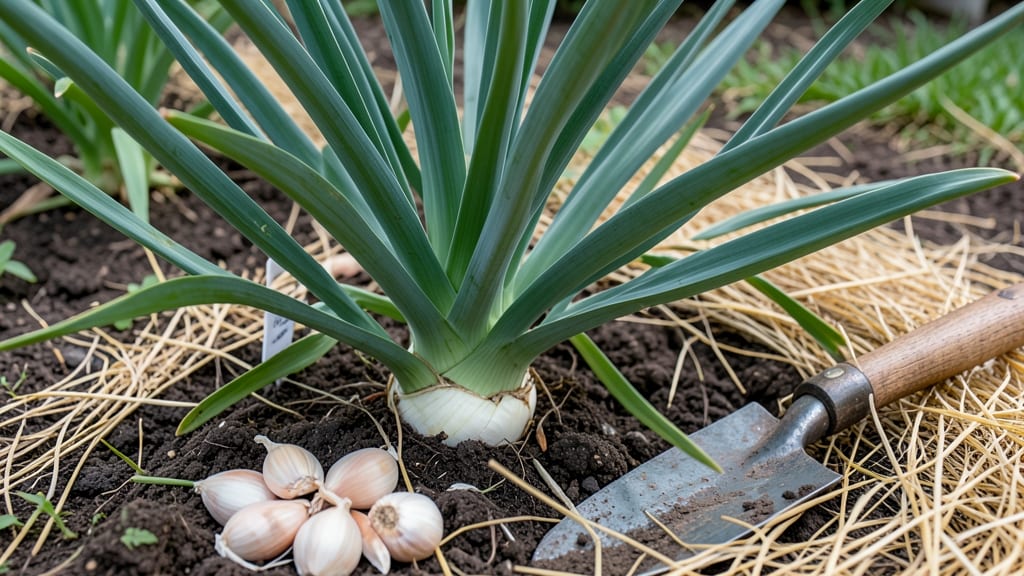
Planting garlic in Phoenix isn’t just about timing—it’s about beating the heat before it ruins your harvest.
With the right window, you can grow bold, flavorful cloves that thrive in USDA Zone 9b, but get it wrong, and you’ll end up with bitter, bolting 🧄 that’s more trouble than it’s worth.
Most gardeners in Phoenix make one critical mistake: waiting too long to plant. The key is getting those cloves in the ground between November and January, when temperatures are cool enough to encourage strong root growth before summer’s relentless sun peaks.
This isn’t just theory—it’s what separates a 5-pound harvest from a handful of sad, underdeveloped bulbs.
But here’s the twist: not all garlic is created equal in the desert. Some varieties handle Phoenix’s heat like a champ, while others bolt faster than a jackrabbit in July.
I’ll show you which ones to pick, how to prep your soil for maximum success, and the 3 simple tricks to keep your garlic from turning into a science experiment.
Ready to grow garlic that actually tastes like garlic? Let’s dive into the exact steps—from soil prep to harvest timing—that’ll make your winter planting pay off big in June or July, when your neighbors are still dreaming of a decent crop.
Phoenix garlic planting calendar: exact months to Avoid bolting & heat stress
Phoenix’s USDA Zone 9b climate demands precise timing for garlic—plant too early, and you risk premature bolting from heat; too late, and bulbs won’t mature before summer.
The ideal window is November through January, when daytime temps hover between 60°F–75°F, giving roots time to establish before the 100°F+ summers arrive.
Garlic thrives in cool weather but bolts (sends up flower stalks) when exposed to prolonged heat above 80°F. In Phoenix, this means avoiding spring planting entirely—unlike cooler climates, your garlic won’t survive the transition to summer.
Instead, focus on fall planting to align with Phoenix’s natural winter rainfall and cooler nights.
Here’s the breakdown: November 1–15 is your prime window for planting hardneck varieties, while December–January works for softnecks. Urban Phoenix areas (like Scottsdale) may need to plant 1–2 weeks later due to heat islands, whereas desert outskirts (like Mesa) can plant slightly earlier.
| Month | Hardneck Varieties | Softneck Varieties | Soil Temp (°F) | Risk Level |
|---|---|---|---|---|
| November | ✅ Best time (low bolting) | ✅ Good (establish roots) | 55–65°F | Low |
| December | ✅ Safe (cool nights) | ✅ Ideal (minimal stress) | 45–55°F | Very Low |
| January | ⚠️ Late but possible | ✅ Still viable | 50–60°F | Moderate |
| February | ❌ Too late (bolt risk) | ⚠️ Marginal (small bulbs) | 60–70°F | High |
| March–October | ❌ Avoid (bolting guaranteed) | ❌ Avoid (heat stress) | 75°F+ | Extreme |
For urban Phoenix gardens, where pavement raises temperatures by 5–10°F, opt for shade cloth (30%) during peak afternoon sun (12 PM–3 PM) to mimic desert conditions. Test your soil’s drainage first—garlic hates soggy roots, which Phoenix’s occasional monsoon downpours can exacerbate.
Prep your soil 4–6 weeks before planting by amending with compost or aged manure to boost organic matter. Phoenix’s alkaline soil (pH 7.5–8.5) needs adjustment: mix in sulfur or peat moss to lower pH to 6.0–7.0, ideal for garlic. Avoid fresh manure—it can burn cloves and trigger bolting.
Pro tip: Plant hardneck varieties (like ‘California Early’) in elevated beds to improve drainage and reduce heat stress. Softnecks (like ‘Artichoke’) tolerate slightly warmer soils but still need consistent moisture during root development.
After planting, mulch heavily (3–4 inches) with straw or wood chips to insulate bulbs from temperature swings. Phoenix’s nights can drop to 40°F in winter, while days reach 70°F—this mulch layer acts as a thermal buffer, preventing stress that leads to bolting.
Monitor for early bolting signs (tall green stalks) by March. If caught early, remove flower scapes immediately to redirect energy to bulb growth. In Phoenix, this is critical—90% of bolting happens between March and April as temps climb.
Harvest timing varies by variety but aim for June–July when lower leaves brown and bulbs reach 1.5–2 inches in diameter. In Phoenix’s heat, harvest earlier than northern climates—don’t wait for full maturity, or bulbs may split or rot.
Phoenix garlic planting calendar: exact months to Avoid bolting & heat stress
Phoenix’s USDA Zone 9b climate demands precise timing for garlic—plant too early, and you risk heat stress; too late, and your crop may bolt prematurely. The ideal window is November through January, when daytime temps hover between 60°F–75°F, giving roots time to establish before summer’s relentless sun.
This schedule aligns with Phoenix’s monsoon season’s tail end, ensuring moisture without waterlogging.
Hardneck varieties like ‘California Early’ thrive when planted in late November, while softnecks such as ‘Artichoke’ can stretch into early January.
Urban areas (e.g., Scottsdale) may need a 1–2 week earlier start due to heat island effect, while desert outskirts (e.g., Mesa) can afford a slightly later window. Always aim to plant 6–8 weeks before winter rains taper off.
| Variety Type | Best Planting Month | Temperature Range | Bolting Risk | Soil Prep Tip |
|---|---|---|---|---|
| Hardneck (e.g., 'California Early') | Late November | 60°F–70°F | Low (if planted early) | Amend with compost; avoid clay |
| Softneck (e.g., 'Artichoke') | Early January | 55°F–65°F | Moderate (heat-sensitive) | Raise beds for drainage |
| Silverskin (e.g., 'Inchelium Red') | December | 65°F–75°F | High (if late) | Mulch with straw to retain moisture |
Pre-planting soil prep is critical in Phoenix’s alkaline, sandy soils. Test your soil’s pH (aim for 6.0–7.0) and amend with sulfur if needed—garlic hates alkaline conditions. Mix in 2–3 inches of compost or aged manure to improve moisture retention, and avoid fresh organic matter, which can overheat roots.
Raised beds are ideal for urban gardeners, as they warm up faster in spring and drain excess winter rains.
Once planted, mulch heavily with straw or wood chips (3–4 inches) to insulate bulbs from daytime heat spikes and nighttime chill. This mimics Phoenix’s natural microclimates, where desert edges stay cooler than city centers.
Water deeply once a week after planting, then taper to bi-weekly once established—garlic is drought-tolerant but despises soggy soil.
Watch for early bolting signs (flower stalks appearing before April). If this happens, snip the scape to redirect energy to bulb growth, but don’t panic—many Phoenix varieties (like ‘Silverskin’) handle mild bolting better than others.
Harvest in June–July when lower leaves brown and bulbs reach 1.5–2 inches in diameter. Store cured bulbs in a cool, dry place (60°F–65°F) for up to 6 months.
Pro tip: Plant a test row in late October to gauge your local microclimate. If scapes bolt by March 15, shift your main planting to December—this simple adjustment can double your yield in Phoenix’s unpredictable climate. 🌱