
Flowers
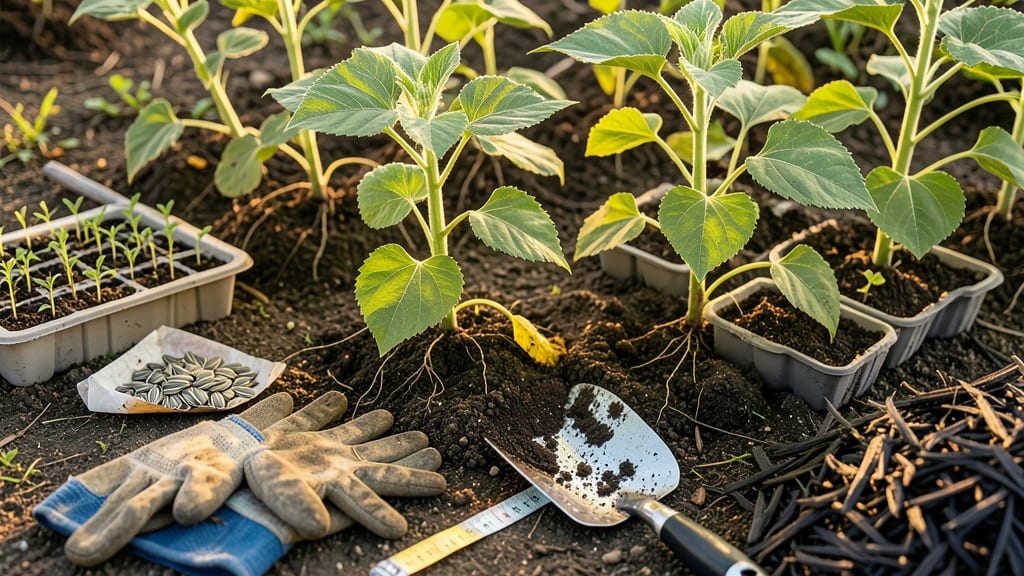
Planting sunflowers in Florida at the wrong time can mean watching them wither before they even bloom—especially when summer heat arrives. The key to vibrant 🌻 blooms lies in timing your plantings for cooler months when seedlings can establish strong roots before the swelter sets in.
Most Florida gardeners know sunflowers love warmth, but they actually prefer cooler soil temperatures to germinate properly. That’s why the ideal window stretches from February through April for spring blooms, with a second chance in August to September for fall flowers.
Here’s what you’ll discover: the exact months that work best for your Florida zone, how to choose heat-resistant varieties that thrive in our climate, and pro tips to keep your sunflowers lush even when temperatures climb.
Whether you’re in North Florida’s 8a-9b zones or South Florida’s frost-free 10a-11, these strategies will help you avoid heat stress and grow sunflowers that stand tall all season long.
Optimal planting months for sunflowers in Florida’s climate zones
Florida’s warm climate and long growing season make it ideal for sunflowers—but timing is everything. Plant too early, and seedlings may rot in cool, damp soil.
Plant too late, and summer’s intense heat can stress young plants before they bloom. The key is two planting windows: early spring and late summer.
North Florida (zones 8a-9a) has cooler winters and occasional frost, while South Florida (zones 10a-11) rarely sees frost. This means planting deadlines shift by region. For example, Panhandle gardeners should avoid late spring planting, while Miami gardeners can plant almost year-round with minimal risk.
Here’s the exact breakdown of when to plant sunflowers in Florida, tailored to your zone and heat tolerance goals:
| Zone | Best Planting Window | Avoid Planting | Heat Risk |
|---|---|---|---|
| 8a-9a (North FL) | February–April (spring) OR August–September (fall) | May–July (peak heat) | High (spring) / Low (fall) |
| 9b-10a (Central FL) | January–April (spring) OR August–October (fall) | June–July (extreme heat) | Medium (spring) / Low (fall) |
| 10b-11 (South FL) | September–March (year-round with caution) | April–August (humidity + heat stress) | Low (fall/winter) / High (summer) |
For North Florida gardeners, focus on spring planting (February–April) to beat summer’s heat. Start seeds indoors in January for a head start, then transplant after the last frost (typically mid-March). A second planting in August gives you fall blooms before winter sets in.
In South Florida, where frost is rare, you can plant almost year-round. However, September–March is ideal to avoid the oppressive humidity of summer. If you plant in late spring (April–May), provide afternoon shade for seedlings until they’re established.
Pro tip: Use soil thermometers to check when soil reaches 50°F+—this ensures faster germination. In cooler zones, wait until soil warms up to avoid rot-prone conditions. For direct sowing, aim for 3–4 weeks before your last frost date (use Florida’s frost maps for your county).
If you miss the spring window, don’t worry—fall planting (August–September) is your backup. Sunflowers sown in late summer will bolt quickly in Florida’s heat, often blooming by October or November. This is perfect for winter holidays or early spring cut flowers.
Remember: Sunflowers are annuals with fast growth cycles. In Florida’s heat, they can go from seed to bloom in as little as 60–90 days. Plan accordingly to enjoy vibrant blooms before summer’s peak intensity.
For maximum bloom time, stagger plantings every 2–3 weeks in spring or fall. This ensures a continuous display of flowers from May through November, depending on your zone.
🌻
Optimal planting months for sunflowers in Florida’s climate zones
Florida’s frost-free growing season spans nearly year-round, but sunflowers still need strategic timing to thrive. In North Florida (zones 8a-9a), plant between February and April to avoid summer’s brutal heat, while South Florida (zones 10a-11) gardeners can extend planting to August-September for fall blooms.
The key? Beat the 90°F+ heat that stresses seedlings.
For North Florida, aim for late winter to early spring (after last frost, typically mid-February). This gives plants 60-90 days to mature before summer’s peak.
In South Florida, where frost is rare, August-September planting works best—sunflowers bolt quickly in heat, so fast-maturing varieties like ‘Moulin Rouge’ are ideal.
🌱 Sunflower Planting Timeline by Florida Zone
| Zone | Best Planting Window | Key Consideration |
|---|---|---|
| 8a-9a (North FL) | February–April | Avoid summer heat; soil temp ≥50°F |
| 10a-11 (South FL) | August–September | Fall blooms escape humidity; use shade cloth for seedlings |
| All Zones | January (North only) | Risky; protect from cold snaps with row covers |
Missed the spring window? Fall planting (August-September) is your second chance. South Florida’s cooler, drier fall weather mimics ideal sunflower conditions. Just mulch heavily to retain moisture—Florida’s sandy soil drains fast, and young plants need consistent hydration.
Pro tip: Direct-sow seeds ½ inch deep, 6 inches apart. Sunflowers hate transplant shock, so skip nursery starts unless using biodegradable pots. For North Florida, choose early-maturing varieties (e.g., ‘Teddy Bear’) to beat summer’s heat.
In South Florida, opt for heat-tolerant giants like ‘Russian Giant’ for dramatic fall displays.
Timing isn’t just about months—it’s about heat thresholds. Sunflowers thrive when daytime temps stay below 85°F during germination. Use a soil thermometer to confirm 50°F+ soil temps before planting. In July-August, seedlings may bolt (flower prematurely) if stressed by heat—shade cloth helps until they’re established.
Remember: Florida’s humidity is a double-edged sword. While it fuels growth, it also invites powdery mildew. Space plants 18-24 inches apart for airflow, and water at the base (not leaves) to keep foliage dry.
With the right timing, your sunflowers will reach 10+ feet tall and bloom for weeks—even in the heat! ☀️🌻