
Planting
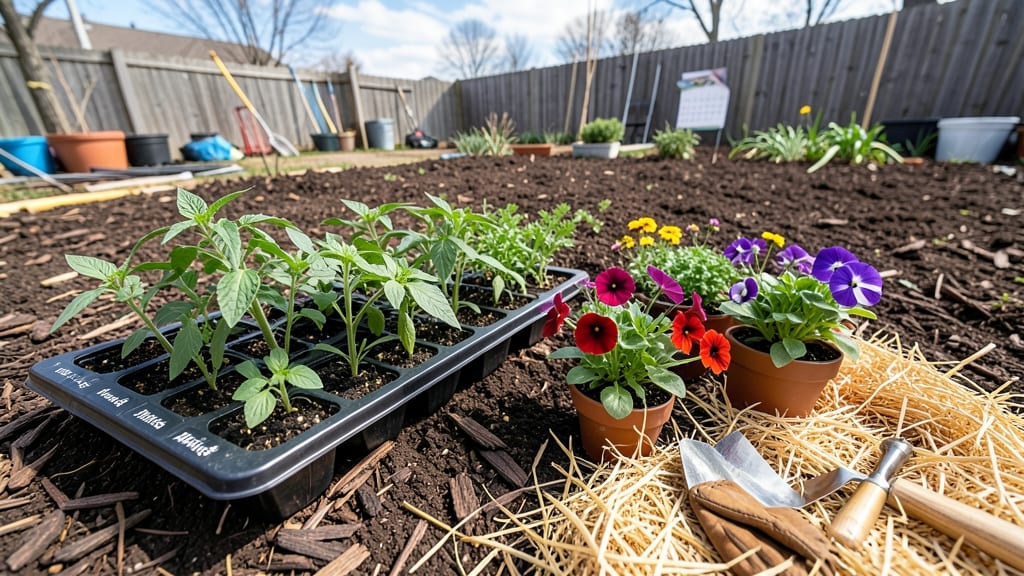
Timing your Connecticut garden just right means the difference between a bountiful harvest and wasted effort—because planting too early or late can leave your 🌱 General Garden Plants (CT) vulnerable to frost or stunted growth.
With Connecticut’s USDA Zone 6a climate, you’ve got a narrow window to work with—typically mid-April to early June for spring crops and late July to early September for fall planting. Miss these dates, and you’re playing a risky game of Mother Nature’s whims.
But here’s the good news: I’ve broken down the exact frost dates and planting schedules you need to avoid common mistakes. Whether you’re growing tomatoes, kale, or perennials, this guide keeps your garden thriving without the guesswork.
Let’s dive into the frost-date cheat sheet that’ll help you plant with confidence—so you can enjoy fresh veggies all season long, no matter where in Connecticut you’re gardening.
CT frost dates 2024: last & first frost timelines by region
Connecticut’s frost dates vary dramatically by region, making precise timing critical for your garden’s success. The average last spring frost ranges from April 15 in southern CT to May 1 in northern areas, while the first fall frost arrives between October 15 and October 30.
These windows define your planting schedule, so knowing your exact zone is key.
Coastal areas like Stamford and New Haven tend to warm up 1-2 weeks earlier than inland cities like Hartford or Willimantic. Rural zones often experience earlier frosts due to colder nights. Always check local microclimates—a hilltop or valley can shift frost dates by 5-10 days.
📅 2024 Projections: Based on historical data, expect the last frost in 2024 to occur around April 22 (±7 days) for most of CT, with first frost arriving October 20 (±10 days). Use these as guidelines, but monitor weekly forecasts for adjustments.
For hardy crops like peas or spinach, you can plant 4-6 weeks before your average last frost. Warm-season plants like tomatoes need to wait until 2-3 weeks after the final frost date. Timing these correctly avoids frost damage and maximizes your harvest.
🌱 Pro Tip: Bookmark the CT Agricultural Experiment Station’s frost reports or use apps like Old Farmer’s Almanac for real-time updates. These tools provide hyperlocal frost alerts that can save your garden from unexpected cold snaps.
| Region | Avg. Last Spring Frost | Avg. First Fall Frost | 2024 Projection | Frost-Free Days |
|---|---|---|---|---|
| Southern CT (Stamford, New Haven) | April 10–15 | October 20–25 | April 12–May 5 | 190–200 |
| Hartford/Springfield | April 15–20 | October 15–20 | April 20–May 10 | 175–185 |
| Northern CT (Willimantic, Torrington) | April 25–May 5 | October 5–15 | May 1–May 15 | 160–170 |
| Rural/Highland Areas | May 1–10 | September 25–October 5 | May 5–May 20 | 140–150 |
Understanding these regional variations helps you avoid common mistakes, like planting tomatoes too early in northern CT or lettuce too late in southern areas. For example, coastal gardens can start broccoli in early April, while inland gardens should wait until mid-May.
If you’re in USDA Zone 6a (most of CT), aim to have warm-season crops planted by May 15 to ensure a full growing season. Fall planting should begin by July 15 for crops like kale or radishes, which tolerate light frosts.
🌡️ Watch for Exceptions: Microclimates near large bodies of water (like Long Island Sound) can delay frosts by 1-2 weeks. Conversely, urban heat islands in cities may push frost dates 3-5 days later in spring and earlier in fall.
For maximum safety, use frost-sensitive plants like eggplants or peppers as transplants after May 1. Start cool-season crops indoors or in a cold frame 4-6 weeks before your last frost date to jumpstart growth.
📋 Action Step: Mark your calendar for April 22 (last frost
Best planting calendar for CT gardens: what to start when
Timing is everything in Connecticut gardening, where the frost-free window is short but packed with potential. I’ve broken down exactly what to plant each month to maximize your harvests, whether you’re growing cool-season veggies, heat-loving tomatoes, or perennial flowers that return year after year.
For cool-season crops like spinach, kale, and peas, I recommend starting seeds 4-6 weeks before your area’s last frost date—typically by mid-March to early April. These hardy plants can handle light frosts and even thrive in cooler temperatures, giving you an early harvest before summer heat sets in.
Warm-season crops such as tomatoes, peppers, and basil need to wait until after the last frost, usually mid-May to early June in most of CT. But here’s my pro tip: start these indoors 6-8 weeks before transplanting to give them a head start in your greenhouse or on a sunny windowsill.
- March-April: Start cool-season veggies (spinach, lettuce, peas) and hardy perennials like lavender. Transplant spring-blooming bulbs (tulips, daffodils).
- May: Plant warm-season crops (tomatoes, peppers, cucumbers) after last frost. Direct-sow beans and squash when soil is warm.
- June: Succession plant fast-maturing crops (bush beans, radishes) every 2 weeks. Add annual flowers (marigolds, zinnias) for pollinators.
- July-August: Start fall crops (kale, carrots, broccoli) indoors or under row covers. Transplant perennials if not planted earlier.
- September: Plant cool-season crops for a fall harvest (spinach, garlic, onions). Add winter mulch to protect perennials.
Don’t overlook fall planting, which can be just as productive as spring. I’ve had great success with broccoli, carrots, and radishes planted in late July to early August for a harvest before the first frost.
Just be sure to choose fast-maturing varieties (look for “early” or “quick harvest” labels) to beat CT’s October frost.
For perennials and shrubs, the best time to plant is in early spring or fall when the soil is workable but not frozen. I’ve found that fall planting (September-October) gives roots time to establish before winter, leading to stronger growth next season.
Just avoid planting when the ground is frozen or waterlogged.
Protect your early starts with row covers or cold frames if a late frost threatens. I’ve used frost cloths to extend the season for lettuce and spinach, adding 2-3 extra weeks of harvest time.
For warm-season crops, wait until soil temperatures hit 60°F+—a soil thermometer is your best friend here!
Remember, CT’s microclimates vary—coastal areas (like New Haven) are milder, while inland (Hartford) can be 2-3 weeks later for frost dates. Adjust your planting schedule based on your local frost history and elevation. Happy planting—your garden will thank you! 🌱