
Plants
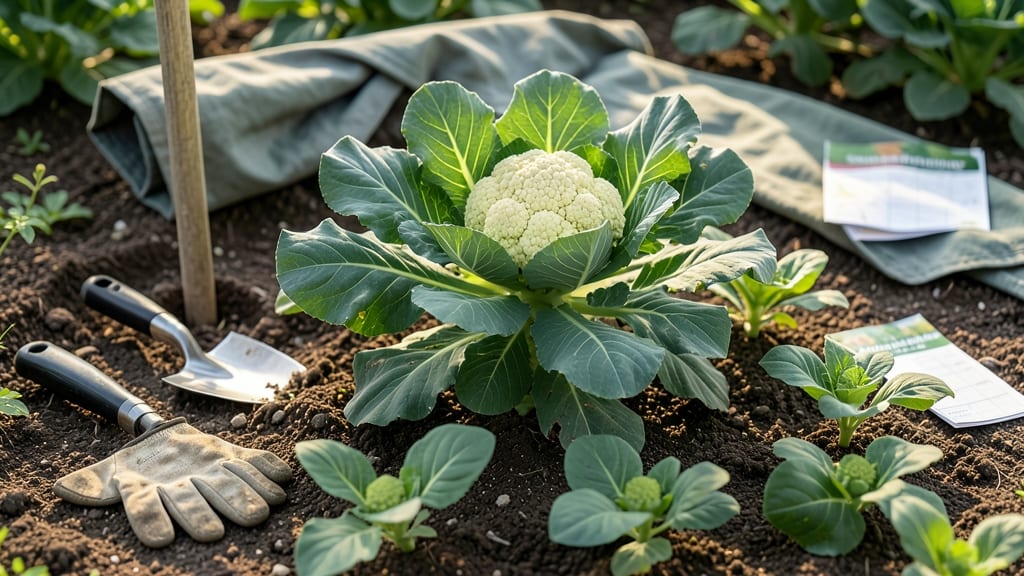
Timing your cauliflower planting in Michigan can mean the difference between a thriving harvest and a disappointing loss—especially when frost sneaks in unexpectedly.
Whether you're a seasoned gardener or just starting, getting those seeds in the ground at the right moment is the key to avoiding bolted plants or stunted growth from summer heat.
Michigan's climate offers two prime windows for growing 🌱 cauliflower: early spring and late summer, but the exact dates depend on your region.
I'll walk you through the frost-free timeline that works for Upper Peninsula gardens all the way to southern Michigan, so you can plant with confidence and avoid common mistakes that trip up even experienced growers.
You don't need to guess about soil temperatures or last frost dates anymore. This guide covers everything from transplanting seedlings to direct sowing, plus pro tips for extending your harvest into fall when nights cool down.
Let's make sure your cauliflower gets the perfect start—no more wasted efforts or shriveled heads!
Ready to transform your garden into a productive cauliflower patch? I'll show you exactly when to plant, what varieties thrive in Michigan's climate, and how to keep your plants happy from seed to harvest. Your future meals—and your wallet—will thank you.
Michigan cauliflower planting dates by region: frost-free deadlines
Cauliflower thrives in Michigan's cooler climate, but timing is critical. The Upper Peninsula and Northern Lower Peninsula face earlier frosts than Southern Michigan, so adjust planting dates accordingly.
Aim for 4-6 weeks before last frost when starting seeds indoors, or 2-3 weeks before last frost for transplants. Southern Michigan gardeners have a slightly longer window to plant.
Michigan State University Extension recommends tracking soil temperatures—cauliflower grows best when soil stays above 45°F (7°C). Use a soil thermometer to confirm readiness. For spring planting, start seeds indoors in March and transplant outdoors in late April to early May.
Fall planting is also viable for late summer varieties, with seeds sown in July for harvest before winter sets in.
Regional frost dates vary significantly. The Upper Peninsula typically has its last frost around May 15, while Southern Michigan averages May 10. Plan for 70-90 days to maturity, depending on variety. Heat-tolerant varieties like 'Snowball Y Improved' or 'Purple of Sicily' can extend your harvest window.
For accurate frost dates, consult the Michigan State University Garden Guide or use the National Weather Service's frost prediction tool. These resources provide localized data to refine your planting schedule.
Always account for microclimates—areas near large bodies of water or urban heat islands may have slightly different frost patterns.
If you're planting for a fall harvest, focus on heat-tolerant varieties and sow seeds in mid-to-late July. This gives plants enough time to mature before first frost, which typically arrives between September 20 and October 15 across Michigan.
Use row covers to extend the season further if needed.
For direct sowing, wait until soil temperatures reach 50°F (10°C) and all frost risk has passed. This usually aligns with late May to early June in most regions. Direct-sown cauliflower may take slightly longer to mature but can be more resilient to transplant shock.
Always monitor weather forecasts in the weeks leading up to planting. A late frost can devastate young seedlings, so have row covers or cold frames ready. Hardy varieties like 'Early Snowball' or 'Purple of Sicily' are excellent choices for Michigan's unpredictable climate.
Pro tip: Mark your calendar with local frost dates and count backward using your chosen variety's days to maturity. This ensures you're planting at the optimal time for a successful harvest. For example, a 75-day variety planted on May 1 should be ready by July 15.
🌱
How to extend Michigan’s cauliflower growing season with success
Michigan’s short growing season can feel like a challenge for cauliflower lovers, but with the right strategies, you can push harvests into fall when cooler nights return. The key is combining cold-hardy varieties, protective tools, and smart planting timing to beat heat stress and early frost.
Start by choosing late-maturing varieties like 'Snowball Y Improved' or 'Purple of Sicily,' which tolerate cooler temperatures better than standard types. These varieties can handle 50°F soil temperatures and even light frosts after forming heads, giving you a second harvest window.
Here’s how to maximize your season with proven techniques:
- 1. Use row covers: Install floating row covers in late summer to protect plants from heat stress and extend the growing window by 2-3 weeks. Secure edges with soil or bricks to prevent wind damage.
- 2. Succession plant: Sow cauliflower seeds every 2 weeks from late April through early June. This ensures a staggered harvest and reduces the risk of losing your entire crop to sudden frost.
- 3. Mulch heavily: Apply 4-6 inches of straw or wood chips around plants to keep soil cool and retain moisture. This is especially critical during Michigan’s hot July-August stretch.
- 4. Water deeply at dawn: Keep soil consistently moist by watering 1-2 inches per week, focusing on the root zone. Avoid evening watering to prevent fungal diseases like downy mildew.
- 5. Try shade cloth: For late summer plantings, use 30-50% shade cloth to protect young plants from intense midday sun, which can cause bolting (premature flowering).
- 6. Harvest strategically: Pick heads as soon as they reach desired size (usually 6-8 inches in diameter) to encourage new growth. This prevents overcrowding and improves air circulation.
For gardeners in Northern Michigan, where summers are shorter, focus on early spring plantings (mid-April) and use cold frames to jumpstart seedlings. In Southern Michigan, prioritize fall plantings (late July) with row covers to shield from late-season heat.
Don’t forget to monitor soil temperatures—cauliflower thrives when soil stays between 55°F and 75°F. Use a soil thermometer to avoid planting too early when cold soils stunt growth. With these tactics, you’ll enjoy fresh cauliflower from June through October!