
Trees
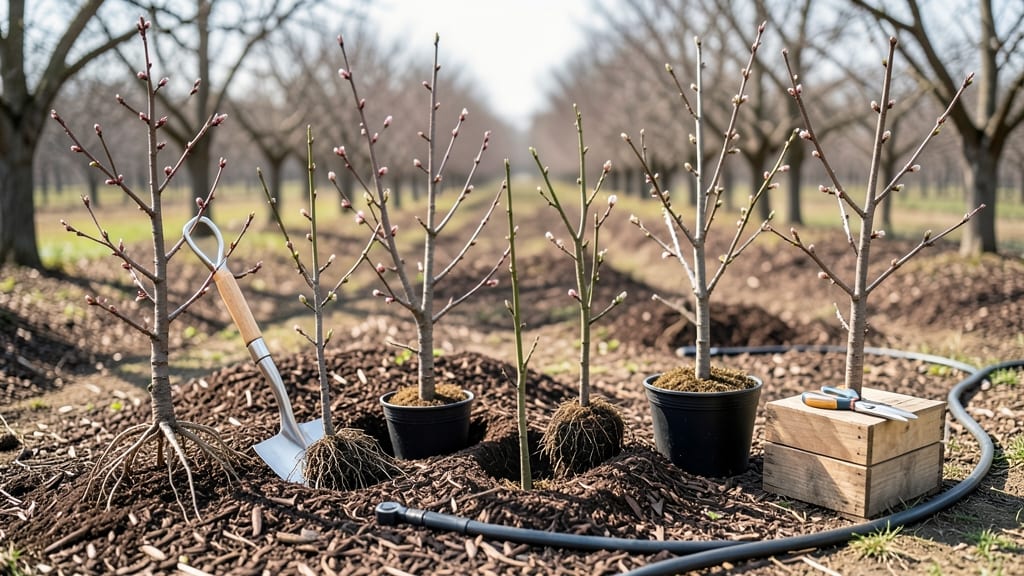
Timing your fruit tree planting in Washington State could mean the difference between a thriving orchard and years of disappointment. The right window ensures your trees establish strong roots before winter's chill sets in, while the wrong move risks stunted growth or even death.
With Washington's varied climates—from the rain-soaked Puget Sound to the dry Columbia Basin—there's no one-size-fits-all answer. I've researched the best planting months for each region, including when to plant bare-root trees versus container-grown varieties that handle Washington's unique microclimates differently.
What you'll discover here are the critical factors that determine success, like soil temperatures and frost dates that override generic planting advice. We'll cover everything from chill-hour requirements for popular varieties like apples and cherries to soil prep tips tailored specifically for Washington growers.
Whether you're a first-time gardener or a seasoned orchardist, these insights will help you plant with confidence. Let's get your fruit trees off to the best possible start for abundant harvests in the years ahead.
Best planting months for Washington fruit trees by chill-hours and microclimate
Washington State’s five distinct microclimates mean a one-size-fits-all planting schedule won’t work. From the mild Puget Sound to the freezing high desert, your tree’s chill-hour requirements dictate the perfect window. Most fruit trees need 300-1,000 chill hours—the hours below 45°F—to produce fruit.
If you plant at the wrong time, you’ll end up with blooms that drop or trees that struggle to bear fruit.
For Western Washington (USDA Zones 7b-9a), where winters are wet and mild, the best time to plant is late fall or early spring.
The Columbia Basin (Zones 6b-8a) and Eastern Washington (Zones 5b-7b) can handle bare-root trees in late winter, while containerized trees can go in until late spring. The Cascades region has its own timeline due to snowpack and later frost dates, often pushing planting to May.
Here’s how to match your fruit tree variety to Washington’s microclimates and planting windows for maximum success:
If you’re planting bare-root trees, do it as soon as they arrive—these trees are dormant but alive, and their roots dry out quickly. For containerized trees, you have more flexibility, but avoid planting when the ground is frozen or waterlogged.
In Western WA, where winters are wet, late fall planting (October-November) gives roots time to establish before spring growth. In Eastern WA, where winters are drier, early spring (March-April) is ideal.
For apples and pears, which need 500-1,000 chill hours, aim for late winter to early spring. Cherries and plums, with 300-600 chill hours, can go in late fall or early spring in milder zones. Peaches and nectarines, which need 400-700 chill hours, should be planted in early spring to avoid late frost damage to blossoms.
Critical factors that determine your planting timeline (beyond the calendar)
Washington’s microclimates can shift planting windows by weeks—even within the same county. For example, Spokane’s high-desert conditions may call for late April planting, while Olympia’s coastal fog might delay you until May.
These differences aren’t just about dates; they’re about soil temperature, frost risk, and how your tree’s dormancy stage aligns with local weather patterns.
Most gardeners focus on monthly calendars, but the real magic happens when you match your tree’s chill-hour needs with your area’s bud-swell timing.
A peach tree in Pullman might need planting in March to satisfy its 500-700 chill hours, while a cherry tree in Bellingham could wait until April because its 900+ chill hours arrive later due to milder winters.
Here’s the non-negotiable rule: Plant when the soil temperature hits 40°F (4°C) and stays there for at least a week. Use a soil thermometer—don’t guess! In Eastern WA, this often means March-April, while Western WA may not hit this mark until late April or May.
Ignore this, and your tree’s roots will suffer frost damage before they even establish.
⚠️ Warning: Urban Heat Islands vs. Frost Pockets
City areas like Seattle or Spokane can be 10°F warmer than rural zones just miles away. This means:
- Urban zones: Plant 2-3 weeks earlier—warmer microclimates speed up soil warming.
- Frost pockets (e.g., valleys or low-lying areas): Delay planting by 2-4 weeks to avoid late frosts.
Another game-changer is your tree’s dormancy stage. Bare-root trees should go in the ground while still dormant (no buds swelling). If you plant too late, you’ll catch them at bud swell, and new growth will freeze in spring’s last frost.
Container-grown trees are more flexible—they can handle leaf-out planting, but they still need moist, workable soil.
Don’t overlook water availability during planting. In drought-prone areas like the Columbia Basin, you’ll need to water deeply every 3-5 days for the first 60 days to help roots establish.
Meanwhile, Western WA’s consistent rainfall might mean you only need to water if the soil feels bone-dry 2 inches down.
Pro tip: Check your local USDA Plant Hardiness Zone and WA State University Extension frost maps. For example, Zone 7b (common in Eastern WA) has last frost dates around April 15, while Zone 8a (e.g., Puget Sound) averages May 1.
Planting 2-3 weeks before your area’s average last frost gives roots time to anchor before spring’s growth surge begins.
Remember, late planting isn’t always a dealbreaker—just high-risk. If you miss the ideal window, opt for container-grown trees (they adapt better to delayed planting) and mulch heavily to protect roots. But when in doubt, plant early—your tree’s future harvest depends on it.