
Plants
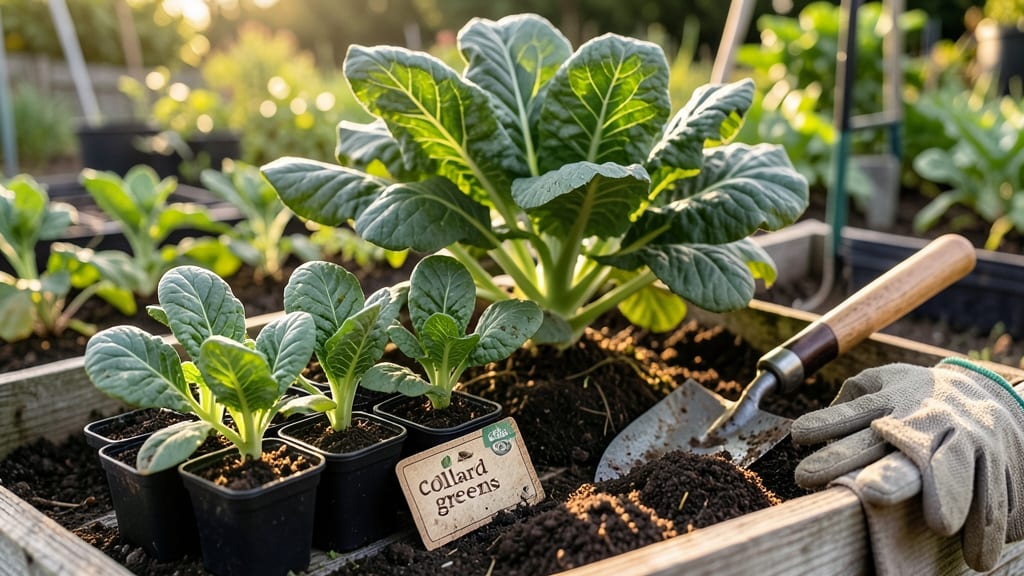
Planting collards in South Carolina at the wrong time can turn your garden into a bitter disappointment—those tender, sweet leaves you crave will bolt into seed pods faster than you can say "southern cooking."
If you're in zones 7b-8a, timing is everything: too early in summer heat, and your plants will suffer; too late, and you miss the prime harvest window. The secret lies in understanding your microclimate and planting between late August and early March—when temperatures cooperate with collards' cool-season nature.
I’ll break down exactly when to start seeds indoors or transplant seedlings for two harvests: one in late fall and another in early spring. With these strategies, you’ll avoid the heat stress that ruins collards and enjoy crisp, flavorful greens from October through April.
Ready to grow collards that taste like a restaurant-quality side dish? Let’s dive into the heat-zone map that keeps your plants happy—and your dinner table full.
South Carolina heat-zone planting calendar for collards (avoid bolting!)
South Carolina’s USDA zones 7b-8a create a unique growing window for collards—cool enough for winter harvests but hot enough to cause bolting if planted too early. The key is timing: late summer to early spring gives you the sweet spot for tender, flavorful leaves.
I’ve grown collards in SC for years, and the difference between a perfect harvest and a bitter disappointment comes down to these month-by-month windows.
Collards are a cool-season crop, meaning they thrive when temperatures dip below 85°F but can’t handle prolonged heat. In SC, that means avoiding June and July plantings unless you’re using shade cloth or heat-tolerant varieties.
The ideal planting window starts in late August for a fall harvest and continues through March for a spring crop. Let’s break it down by month to maximize your yield.
🌱 Pro Tip: Always check your local frost dates—SC’s first frost typically hits mid-November, and the last frost is around mid-March. Planting 4-6 weeks before the first frost ensures your collards mature before winter sets in.
| Month | Planting Window | Harvest Window | Notes |
|---|---|---|---|
| August | Late August (after 85°F heat) | October - November | Best for fall harvest; use shade cloth if temps rise above 80°F. |
| September | Early - Mid September | November - December | Ideal for winter harvest; soil temps should be 60°F+. |
| October | Early October | December - January | Plant for holiday harvests; protect with row covers if frost threatens. |
| November | Late November (after frost) | January - February | Slow growth; focus on leaf protection with mulch. |
| February | Early February | March - April | Prime spring planting; soil should warm to 50°F+. |
| March | Late March (before 80°F) | May - June | Risk of bolting increases; use shade cloth. |
For spring plantings, aim for February to early March to avoid the heat. I’ve found that transplanting seedlings (rather than direct sowing) gives them a head start, especially in cooler months.
If you’re planting in late winter, use row covers to protect young plants from frost and freezing temps.
In summer, collards are nearly impossible to grow without extra care. If you’re determined to try, succession plant in deep shade or use shade cloth (30-50%) to keep soil temps below 80°F.
I’ve had limited success with ‘Blue Max’ in July, but the leaves were smaller and less tender than winter harvests. For most SC gardeners, fall and winter are the only practical seasons.
💡 Key Insight: Collards tolerate light frost, which actually sweetens their flavor. In SC, this means your October and November harvests will be the most flavorful. Just avoid planting too early in August—soil temps above 85°F will cause seedlings to wilt or bolt.
If you’re new to collards, start with transplants from a nursery in September or March
How to extend collard season in South Carolina’s hottest months
South Carolina’s summer heat can turn your collards bitter and bolt before you even harvest them. But with the right strategies, you can grow sweet, tender greens even in June and July.
The key is combining heat-tolerant varieties, shade protection, and smart planting techniques to keep your plants thriving when temperatures rise.
First, focus on succession planting—this means staggering your plantings every 2-3 weeks from early spring through late summer. By the time the first batch bolts, your later plantings will still be producing fresh leaves.
For example, plant a small batch in late May and another in early June to ensure a continuous harvest.
Here are my top techniques to beat the heat and extend your collard season in South Carolina:
Use shade cloth to protect young plants from intense afternoon sun. A 30-50% shade cloth reduces heat stress while still allowing enough light for growth. Install it over your collard beds in June and July and remove it in early August as temperatures cool.
Choose heat-tolerant varieties like 'Blue Max' or 'Georgia Southern', which handle warmer temperatures better than standard types. These varieties stay sweeter and crisp longer, even when other collards bolt.
Water deeply in the early morning to keep soil moisture high and reduce heat stress. Aim for 1-1.5 inches of water per week, and mulch with 2-3 inches of straw or wood chips to retain moisture and cool the roots.
Harvest outer leaves first to encourage continuous growth. This method prevents the plant from feeling overwhelmed by heat and keeps it producing new, tender leaves. Avoid cutting more than 1/3 of the plant at once to maintain vigor.
Consider container growing for small batches. Pots allow you to move plants to shadier spots or even indoors during extreme heat waves. Use well-draining soil and water more frequently, as containers dry out faster than garden beds.
With these techniques, you can enjoy fresh collards well into late summer—or even longer if you combine them with fall planting strategies. The key is staying proactive: monitor your plants closely during heatwaves and adjust your care routine as needed.
Remember, even in the heat, collards are resilient. By giving them the right conditions, you’ll be rewarded with sweet, flavorful greens that rival those grown in cooler months. Happy gardening! 🌿