
Trees
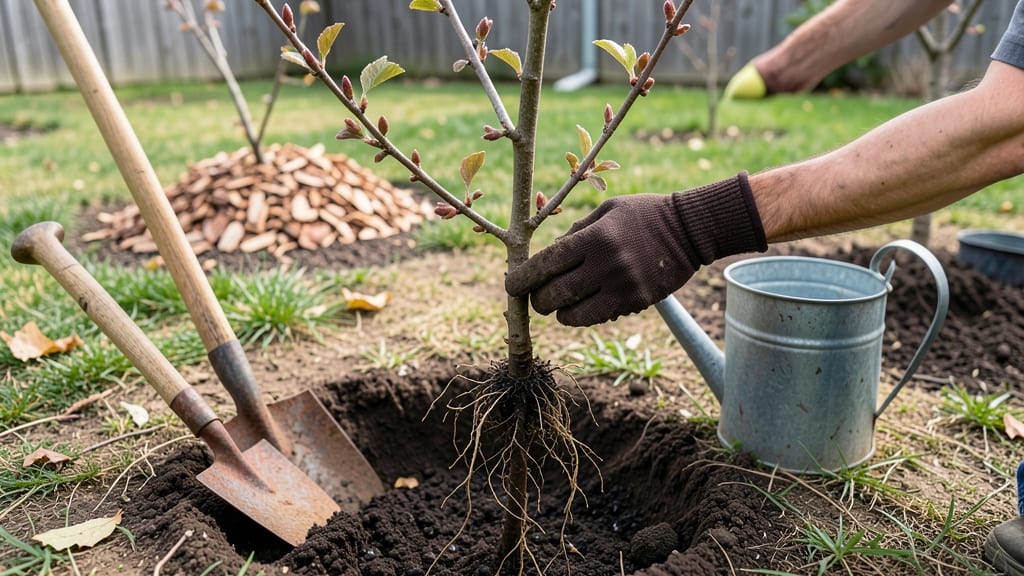
Timing your fruit tree planting in Kentucky isn’t just about avoiding frost—it’s about matching your tree’s chill-hour needs to the state’s unpredictable climate for a bountiful harvest.
If you’ve ever wondered why some fruit trees thrive while others struggle, the answer lies in Kentucky’s unique microclimates and chill-hour requirements. Whether you’re planting apples in the Bluegrass region or peaches in the Cumberland Plateau, getting the timing right makes all the difference.
Let’s break down the best windows for planting so you can set your trees up for success.
From early spring to late winter, each fruit variety has its own ideal planting window. For example, bare-root trees should go in the ground while dormant, while containerized trees offer more flexibility. I’ll show you how to align planting with Kentucky’s frost patterns and soil conditions for maximum growth.
Ready to grow fruit trees that produce year after year? Discover the exact months to plant, soil prep tips, and frost-risk strategies tailored to Kentucky’s USDA zones. Let’s get started!
Kentucky’s chill-hour zones: matching fruit trees to your microclimate
Kentucky’s climate varies dramatically from the Bluegrass Region to the Cumberland Plateau, making chill-hour requirements the most critical factor for successful fruit tree planting. Most of Kentucky falls within USDA Zones 6-7, but chill hours—measured in hours below 45°F—can range from 300 to 1,000+ hours annually.
Choosing the wrong variety for your zone means poor pollination, sparse fruit, or even no harvest at all.
For example, peach trees need 500-800 chill hours, while apples thrive with 800-1,000+ hours. Southern Kentucky’s Zone 7a (e.g., Bowling Green) may struggle with high-chill varieties like ‘Honeycrisp’ apples, while northern Kentucky’s Zone 6b (e.g., Louisville) can support them.
Understanding your local chill hours ensures your tree enters dormancy properly and blooms at the right time.
Here’s how to find your chill-hour zone: Check the Kentucky Climate Center’s data or use a chill-hour calculator with your local weather station records. If you’re unsure, start with low-chill varieties like ‘Redhaven’ peaches (450 hours) or ‘Liberty’ apples (600 hours)—they’re forgiving for beginners.
Pro tip: Container-grown trees adapt better to microclimates than bare-root saplings.
Now, let’s match your chill hours to the best fruit trees for Kentucky. Below is a summary table breaking down top varieties by zone, planting windows, and care tips to maximize your harvest potential.
| Fruit Tree | Chill Hours Needed | Best Kentucky Zones | Planting Window | Soil pH |
|---|---|---|---|---|
| Apple (e.g., ‘Liberty’) | 600–1,000+ | Zones 6b–7a (Northern KY) | Late winter (Feb–March) | 5.5–6.5 |
| Peach (e.g., ‘Redhaven’) | 450–600 | Zones 6a–7b (Statewide) | Late winter (Feb–March) | 6.0–6.8 |
| Pear (e.g., ‘Kieffer’) | 300–500 | Zones 6a–8a (Southern KY) | Early spring (March–April) | 6.0–7.0 |
| Cherry (Sweet, e.g., ‘Stella’) | 500–800 | Zones 6b–7a (Northern KY) | Late winter (Feb–March) | 6.0–6.5 |
| Fig (e.g., ‘Celeste’) | 100–300 | Zones 7b–8a (Southern KY) | Spring (April–May) | 6.0–7.5 |
Notice how figs thrive in Southern Kentucky’s warmer microclimates but may struggle in the colder Cumberland Mountains. Conversely, ‘Liberty’ apples—a low-chill variety—can handle Northern Kentucky’s harsher winters. If you’re in Zone 6a (e.g., Pikeville), stick to peaches, pears, or plums with <500 chill hours to avoid winter damage.
For bare-root trees, plant as soon as the ground is workable (usually February–March in most of Kentucky). Container-grown trees, however, offer flexibility—you can plant them up to April while avoiding frost heave.
Always check the last frost date for your county (e.g., Louisville averages March 15, while Lexington is April 1). Pro tip: Use mulch to insulate roots if planting early.
Kentucky’s clay-heavy soils often need amendments to improve drainage. Test your soil’s pH and add compost or sulfur to adjust it to the tree’s needs (e.g., peaches prefer 6.0–6.8). Avoid planting in low spots where cold air pools—choose a sunny, slightly elevated site with 6+ hours of sunlight daily. This small adjustment
Best planting months for Kentucky fruit trees by variety
Kentucky’s spring planting window is your golden opportunity to establish fruit trees, but timing varies by variety. Most bare-root trees (like apples and pears) should go in the ground by early March—before buds swell—to avoid frost heave.
Container-grown trees (peaches, cherries) are more flexible and can wait until late March or April when soil warms to 50°F.
For stone fruits like peaches and plums, aim for late winter to early spring (February-March).
These trees need chill hours (300-900) to set fruit, and Kentucky’s Zone 6-7 climate delivers just right. Sweet cherries, however, demand 900+ chill hours—stick to northern KY (Lexington, Louisville) for varieties like Montmorency.
📅 Numbered Highlights: Kentucky Fruit Tree Planting Calendar
- 🍎 Apples/Pears: Early March (bare-root) or April (container). Needs 500-800 chill hours—ideal for Zone 6.
- 🍑 Peaches/Nectarines: Late February-March. 300-500 chill hours—perfect for southern KY (Bowling Green).
- 🍒 Sweet Cherries: February-March (northern KY only). 900+ chill hours—avoid southern KY.
- 🍐 Pecans: Fall (October-November). Slow growers—plant containerized trees in well-draining soil.
- 🍓 Blueberries: Spring (March-April) or fall (September). Acidic soil (pH 4.5-5.5)—amend with peat moss.
Pro tip: Soil temperature matters more than calendar dates. Use a soil thermometer—wait until it hits 50°F at 6 inches deep. Kentucky’s clay-heavy soils drain poorly, so raise beds or add compost to improve aeration.
For container planting, use 5-gallon pots with drainage holes and keep them consistently moist.
If you miss spring, fall planting (October-November) works for dwarf varieties like Columnar apples or Semi-dwarf peaches. Just ensure trees are planted 6-8 weeks before frost to allow root establishment. Pecans are the exception—they thrive when planted in fall for winter root growth.
Watch for late frosts (common in April) by checking the National Weather Service for your Kentucky county. If frost threatens, cover young trees with frost cloth or a row cover. Peach trees are especially vulnerable—delay planting if blooms appear before last frost.
Remember: Rootstock matters. Dwarfing rootstocks (like M.9 for apples) need well-draining soil, while standard rootstocks (e.g., Seedling) tolerate Kentucky’s clay. Match your tree variety to your microclimate—northern KY can grow Northern Spy apples, while southern KY shines with Elberta peaches. 🌳