
Flowers
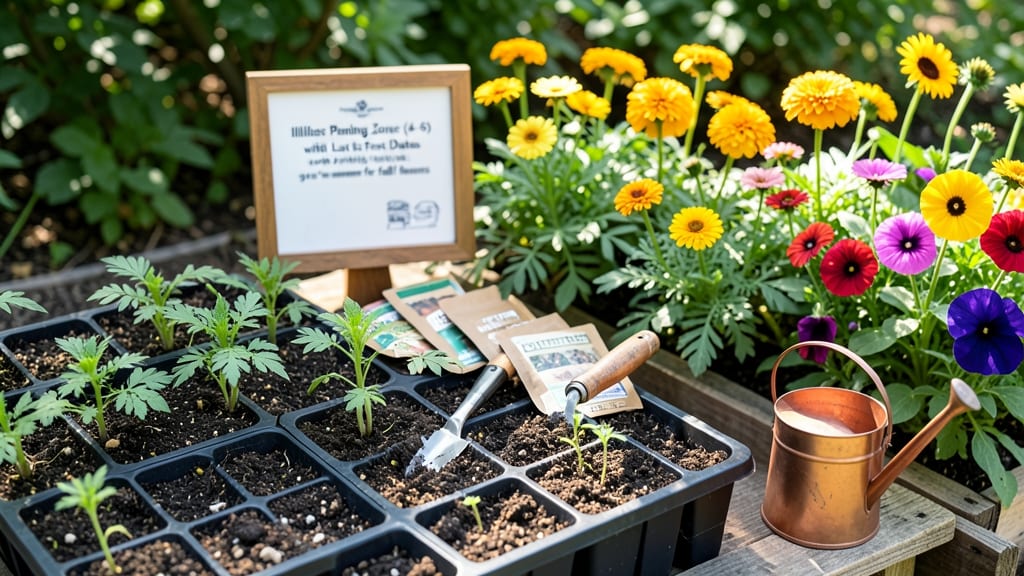
Timing your flower seeds planting in Illinois can make or break your garden dreams—get it wrong, and frost or scorching heat will turn your hard work into a sad, wilted memory.
The right window means the difference between a vibrant, blooming paradise 🌸 and a patch of dirt that never quite lives up to its potential.
As someone who’s spent years growing flowers in USDA Zones 5-6, I’ve learned the hard way that Illinois’ unpredictable weather demands precision. Whether you’re a first-time gardener or a seasoned green thumb, knowing when to plant—whether in spring or fall—is the key to success.
Let’s break down the exact deadlines you need to hit for a thriving garden.
Most gardeners in Illinois focus on March through May for spring planting, but fall also offers a second chance with August through September windows. The trick? Paying attention to frost dates—because even the most beautiful flower seeds won’t survive if planted too early or too late.
I’ll show you how to align your planting with nature’s schedule for the best results.
Ready to avoid common mistakes and maximize your blooms? You’ll discover region-specific tips, the best flowers for each season, and how to stretch your growing season—so you can enjoy a garden that’s always in peak form. Let’s get started!
Illinois frost dates and ideal flower seed planting windows by region
Getting your flower seeds in the ground at the right time in Illinois means accounting for frost dates that vary wildly from Northern Illinois to Southern Illinois.
The last spring frost can arrive as early as mid-April in southern counties like St. Louis but linger until late May near Chicago. Meanwhile, the first fall frost hits Northern Illinois by mid-October but may wait until early November in Southern Illinois.
These regional differences mean your cool-season flowers like pansies and snapdragons can thrive in fall plantings in Southern Illinois but may get nipped by frost in Northern Illinois if planted too late.
Similarly, warm-season bloomers like zinnias and marigolds need to wait until soil warms to 60°F (15°C)—usually mid-May in the north but early April in the south.
Here’s how to align your planting with Illinois’ three distinct regions, including exact windows for spring and fall sowing:
Use these frost date guidelines to avoid planting warm-season flowers too early—even if the ground looks dry. Cold soil slows germination, and seeds can rot. For cool-season flowers, aim to plant 6-8 weeks before your region’s first frost to ensure blooms before winter sets in.
Pro tip: Check your local USDA Zone (5-6) for finer adjustments. For example, Zone 5 areas (like Northern Illinois) have a shorter growing season than Zone 6 (parts of Southern Illinois). Use row covers or cold frames to extend your fall planting window by 2-3 weeks if needed.
If you’re unsure about your exact frost dates, bookmark the Midwest Regional Climate Center or use apps like Old Farmer’s Almanac for real-time updates. These tools can help you adjust your planting schedule if an early or late frost is forecasted.
For Northern Illinois gardeners, late May is your last chance to direct-sow warm-season flowers without risking frost damage. In Southern Illinois, you can push it to early June.
Meanwhile, fall plantings should wrap up by mid-September in the north and early October in the south to give roots time to establish before winter.
Remember: Soil temperature matters just as much as air temperature. Use a soil thermometer to confirm your soil is at least 60°F (15°C) for warm-season seeds and 50°F (10°C) for cool-season varieties. This small step can save you from weeks of waiting for germination.
For annuals like zinnias or perennials like coneflowers, consider starting seeds indoors 4-6 weeks before your last frost date. This head start gives you a 2-3 week advantage over direct sowing and ensures you don’t miss the boat if frost lingers.
Finally, keep a gardening journal to track your local frost dates over the years. Illinois’ climate shifts with La Niña or El Niño patterns, so your notes will help you
Best flowers to plant in spring vs. fall in Illinois (with success tips)
Spring and fall are the two golden windows for planting flower seeds in Illinois, but the right varieties matter just as much as timing. Cool-season flowers thrive in spring’s mild temperatures, while heat-loving annuals need summer’s warmth.
Let’s break down the best picks for each season and how to set them up for success.
For spring planting, focus on flowers that tolerate cooler soil (50–60°F) and can handle light frosts. Marigolds, zinnias, and cosmos are top performers, while petunias and geraniums prefer warmer soil (60°F+). Start seeds indoors 4–6 weeks before your last frost date to give them a head start.
🌸 Spring Planting Guide
- 🌱 Marigolds – Direct sow after last frost; heat-tolerant
- 🌻 Zinnias – Start indoors 6–8 weeks before last frost; long bloom time
- 🌼 Cosmos – Direct sow after frost; drought-resistant
- 🌺 Petunias – Wait for soil 60°F+; needs full sun
Fall planting in Illinois offers a second chance to grow cool-season blooms like pansies, snapdragons, and calendulas. These flowers can handle light frosts and often bloom until winter.
Aim to plant seeds 8–10 weeks before your first frost date, giving them time to establish roots before cold sets in.
Pro tip: Succession planting in both seasons keeps your garden vibrant. Sow fast-growing annuals like bachelor’s buttons every 2 weeks in spring for continuous color. In fall, cover seeds lightly with mulch to protect them from early cold snaps while allowing moisture to penetrate.
Don’t overlook perennials like black-eyed Susans or coneflowers, which you can direct-sow in early spring. These hardy plants return year after year, making them a low-maintenance investment. Just be patient—they may take 2 years to reach full bloom but reward you with years of color.
For container gardening, choose compact varieties like geraniums or nasturtiums. These thrive in pots and let you extend your planting window by moving containers indoors before frost. Just