
Plants
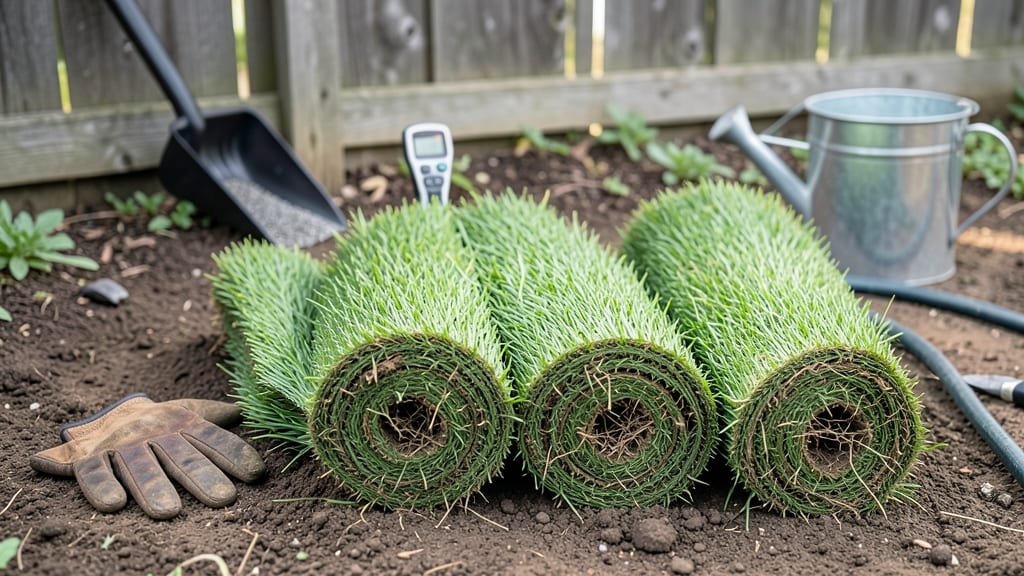
Planting fescue sod in Oklahoma at the wrong time can turn your dream green lawn into a summer-burned wasteland. The key to deep roots and drought resilience isn’t just picking a month—it’s understanding how Oklahoma’s 6a-8a climate zones and unpredictable weather patterns affect your turf’s survival.
If you’ve ever watched your sod struggle through Oklahoma’s brutal summer heat or fail to establish before winter, you know timing matters.
The late summer to early fall window (August–October) exists for a reason: cooler soil temperatures and steady rainfall give your grass the perfect conditions to take root before dormancy. Let’s break down exactly when—and how—to plant for a lawn that thrives all year.
Most gardeners in Oklahoma make one critical mistake: planting too early or too late. Rushing in June risks heat stress, while waiting until November leaves your sod vulnerable to frost.
I’ll show you how to read your soil’s temperature cues, adjust for your specific zone, and avoid common pitfalls that leave lawns looking patchy or dead by summer.
By the end, you’ll know exactly when to roll out your sod for maximum root growth, how to prep your soil for Oklahoma’s clay-heavy conditions, and why fall planting is the secret weapon for a lush, low-maintenance lawn. Ready to transform your yard?
Best planting windows for fescue sod in Oklahoma (by month & climate zone)
Fescue sod thrives in Oklahoma’s cool-season climate, but the perfect planting window depends on your USDA zone (6a–8a) and soil conditions. The ideal time is late summer to early fall (August–October), when soil temperatures drop below 85°F and rainfall increases—giving roots 4–6 weeks to establish before winter dormancy.
Northern Oklahoma (zones 6a–7a) has a longer growing season and cooler summers, while Southern Oklahoma (zones 7b–8a) faces hotter, drier conditions. Planting too early (before July 15) risks heat stress, and planting too late (after November 1) leaves roots vulnerable to frost damage before anchoring.
For deep root success, aim for soil temperatures between 60°F–75°F—check with a soil thermometer or dig 4 inches deep; if the soil feels warm but not hot, it’s ready.
In Northern Oklahoma, late August is prime, while Southern Oklahoma gardeners should plant by mid-September to avoid early freezes.
⚠️ CRITICAL: Avoid planting during Oklahoma’s summer heatwaves (June–July), when soil temperatures can exceed 90°F. Sod planted in 90°F+ soil struggles to root, leading to brown patches and drought vulnerability once summer returns.
Here’s how Oklahoma’s two distinct regions differ in timing and conditions:
| Factor | Northern Oklahoma (Zones 6a–7a) | Southern Oklahoma (Zones 7b–8a) |
|---|---|---|
| Best Planting Window | Late August–October | Mid-August–September |
| Soil Temperature Threshold | 60°F–75°F | 65°F–70°F (cooler needed) |
| Rainfall Needs | 1–1.5 inches/week | 0.75–1 inch/week (drier) |
| Major Risks | Early frost (Nov 15) | Summer heat stress (June–July) |
| Root Establishment Goal | 4–6 weeks before frost | 6–8 weeks before frost |
🌱 Pro Tip: Use a soil thermometer to confirm readiness—65°F is the sweet spot for root growth.
If you miss the ideal window, spring planting (March–April) is possible but riskier. Fescue sod planted in spring competes with warm-season weeds (like bermudagrass) and faces summer heat stress before roots establish.
For spring plantings, choose shade-tolerant fescue varieties and water deeply 2–3 times weekly until roots reach 3–4 inches deep.
Oklahoma’s unpredictable weather means checking the 7-day forecast before planting is critical. Aim for 3–5 days of cloud cover post-planting to reduce transplant shock. If a heatwave is forecasted within 10 days of planting, delay until conditions cool—shallow roots from summer heat mean poor drought resistance all year.
For Northern Oklahoma, late September plantings often succeed if followed by fall fertilization (use a 10-10-10 balanced fertilizer at 1 lb per 100 sqft). In Southern Oklahoma, August plantings benefit from mulching (straw or wood chips) to retain moisture during hot, dry spells.
🌿 Key Takeaway: The 4–6 week rule before frost is non-negotiable. In Oklahoma City (Zone 7a), that’s plant by October 15; in Tul
How to prepare your Oklahoma lawn for fescue sod success (soil, weather, and pre-plant checks)
Preparing your Oklahoma lawn for fescue sod success starts with understanding the unique challenges of the state’s alkaline soils and unpredictable weather patterns. Unlike other regions, Oklahoma’s clay-heavy soil often needs amendments to achieve the ideal pH range of 6.0–7.0 for fescue growth.
Skipping soil prep can lead to poor root establishment and a lawn that struggles during summer droughts.
First, test your soil’s pH level using a home test kit or send a sample to your local Oklahoma Cooperative Extension Service.
If your soil tests above 7.0, you’ll need to add sulfur or peat moss to lower the pH. For compacted soil, aerate at least 4–6 weeks before planting to improve water and nutrient absorption.
Next, choose the right fescue variety for your Oklahoma climate. Tall fescue thrives in USDA zones 6a–8a and handles Oklahoma’s heat better than fine fescue, which is better suited for shaded areas.
Before planting, remove any existing bermudagrass or weeds using a non-selective herbicide like glyphosate, followed by a pre-emergent weed control application.
Monitor 7-day weather forecasts leading up to your planting date. Aim for a window with consistent rainfall (1–1.5 inches per week) or plan to irrigate deeply 2–3 times per week after installation.
Avoid planting if temperatures exceed 85°F or if heavy rains are forecasted, as these conditions can smother new sod.
Finally, level your soil and remove rocks or debris to create a smooth surface. Lay down a starter fertilizer with a 10-10-10 NPK ratio at a rate of 1 lb per 100 sqft to give your sod an immediate nutrient boost.
This step is critical for Oklahoma’s clay-heavy soils, which can lock out nutrients if not properly amended.
With these prep steps complete, your fescue sod will have the best chance to establish deep roots before Oklahoma’s winter dormancy and thrive through the summer heat. Proper soil prep isn’t just about timing—it’s about giving your lawn the foundation it needs to survive the state’s extremes.