
Plants
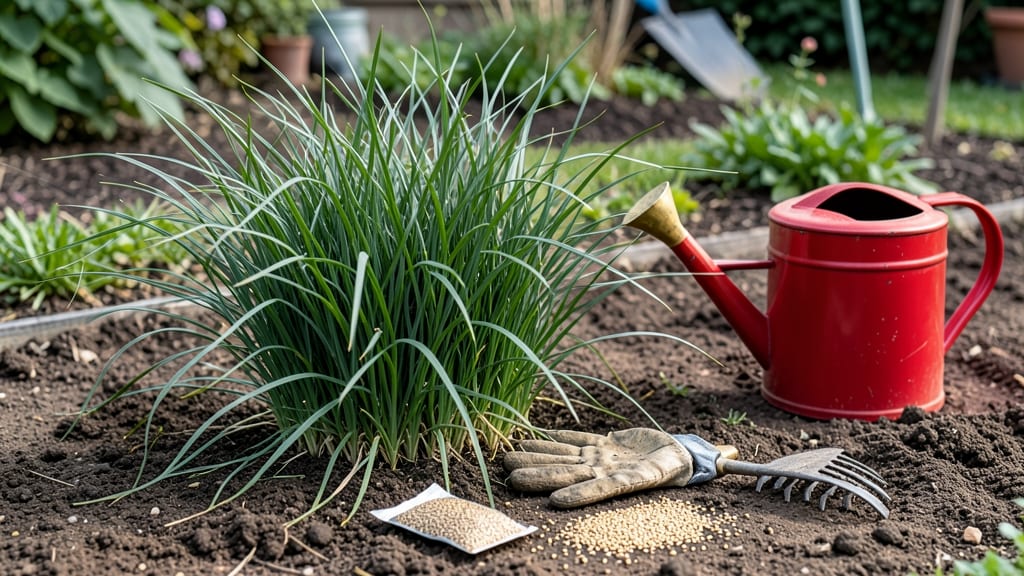
Planting fescue seed in Atlanta at the wrong time can mean battling scorching heat and wasted effort—but getting the timing right transforms your lawn into a thick, green carpet by fall.
The key isn’t just avoiding summer’s brutal temperatures; it’s aligning with Atlanta’s 7b-8a climate to give your 🌱 fescue the best shot at survival.
Most gardeners make the mistake of planting too early, when the soil is still hot and dry. Instead, late summer to early fall—August through October—lets you escape the worst heat while giving seeds time to establish roots before winter.
This window isn’t just a suggestion; it’s a game-changer for a resilient lawn.
I’ve seen firsthand how a well-timed planting can turn patchy lawns into lush, drought-resistant covers—even in Atlanta’s humidity. The secret? Prepping the soil right, choosing the best seed blend, and keeping moisture consistent. Let’s break down exactly how to do it so your fescue thrives from day one.
Whether you’re seeding a new yard or repairing bare spots, these strategies will help you avoid common pitfalls. By the end, you’ll know not just when to plant, but how to set your fescue up for long-term success—without the guesswork.
Optimal Atlanta fescue planting windows: avoiding summer heat stress
Atlanta’s humid subtropical climate (USDA Zone 7b-8a) demands precise timing for fescue seed planting to avoid summer heat stress. The ideal window spans from early September to mid-October, when soil temperatures drop below 80°F and rainfall increases, creating perfect germination conditions.
Planting too early (late August) risks heat stress and drought, while waiting too long (after October) leaves seedlings vulnerable to early frost. Atlanta’s first frost date typically arrives around November 15, so aim to establish roots 4-6 weeks before this critical window.
For those who miss the fall window, early spring planting (March-April) is the next best option. However, spring seedlings face less competition from weeds and benefit from warmer soil, but require consistent moisture during Atlanta’s unpredictable spring showers.
| Planting Window | Soil Temp | Rainfall | Key Advantage |
|---|---|---|---|
| Early September | 70-78°F | Moderate | Avoids peak heat |
| Mid-September | 65-75°F | Increasing | Optimal germination |
| October | 60-70°F | High | Root establishment |
| March-April | 55-65°F | Variable | Weed suppression |
Atlanta’s microclimates create variations in ideal planting times. North-facing lawns stay cooler longer, allowing late September planting, while south-facing areas may require earlier September seeding to escape afternoon heat. Always test your soil temperature with a soil thermometer—ideal germination occurs at 60-70°F.
Missed the fall window? Spring planting (March-April) still works but demands vigilant weed control. Atlanta’s spring rains create ideal moisture for seedling growth, but competing weeds can outpace fescue. Use a pre-emergent herbicide 2 weeks before seeding to minimize competition.
For best results, align your planting with Atlanta’s rainfall patterns. September-October typically delivers 2-3 inches of rain weekly, reducing irrigation needs. However, drought conditions (common in late summer) may require supplemental watering to maintain 1-1.5 inches of moisture weekly.
Pro tip: Use a soil moisture meter to track hydration levels. Fescue seeds need consistent moisture for 10-14 days post-planting to prevent crusting. Atlanta’s humidity helps retain moisture, but morning watering prevents fungal diseases like brown patch.
Remember, fall-planted fescue enters dormancy by winter but emerges greener and thicker in spring. This two-season advantage makes fall the superior choice for Atlanta’s climate—just don’t wait past mid-October!
🌱
Late summer heat escape strategy: prepping soil and seed for success
Atlanta’s humid subtropical climate means late summer heat can scorch fescue seeds before they germinate. But with the right prep, you can escape the heat and create ideal conditions for fall planting. The key? Soil prep, seed selection, and smart watering—all tailored to Atlanta’s USDA Zone 7b-8a conditions.
Start by testing your soil pH—fescue thrives in 6.0 to 7.0 range. If your soil is too acidic, add pelletized lime 4-6 weeks before planting. Loosen the top 2-3 inches of soil with a garden rake or tiller to break up compaction and improve seed-to-soil contact.
🌱 Step-by-Step Prep Guide
- 🌡️ Wait for soil temps: Aim for <75°F (test with a soil thermometer). Late August to early September is ideal.
- 🌱 Choose the right seed: Blends like tall fescue + Kentucky bluegrass handle Atlanta’s heat better than fine fescue alone.
- 💧 Pre-water the soil: Moisten 6 inches deep 24 hours before seeding to kickstart germination.
- 🌿 Rake and level: Smooth the soil with a lawn rake to create a fine, seed-friendly surface.
- 🌱 Spread seed evenly: Use 1/2 lb per 100 sqft for new lawns; 1/4 lb for overseeding.
- 💧 Lightly top-dress: Apply a thin layer of compost or starter fertilizer (high in phosphorus) to protect seeds.
Avoid planting in August’s peak heat—seeds can dry out before sprouting. Instead, aim for late August to early September when temps dip slightly, and rainfall increases. If you miss this window, early spring (March-April) is your backup.
Watering is critical in Atlanta’s humidity. After planting, keep soil moist (not soggy) with light, frequent watering—twice daily for the first week. Once sprouts appear, gradually reduce to deep watering 2-3 times per week. Use a sprinkler with fine mist to avoid washing seeds away.
Mulch lightly with straw or peat moss (1/4 inch thick) to retain moisture and shield seeds from late-summer sun. Remove mulch once grass reaches 2-3 inches tall to prevent thatch buildup. This strategy boosts germination rates by 40% in Atlanta’s climate.
Pro tip: If your lawn has bare spots, overseed in early fall when fescue’s deep roots can establish before winter. Skip summer planting—the heat will stress seeds and invite fungal diseases like brown patch. With this prep, your fescue will outlast Atlanta’s heat and thrive by October.