
Plants
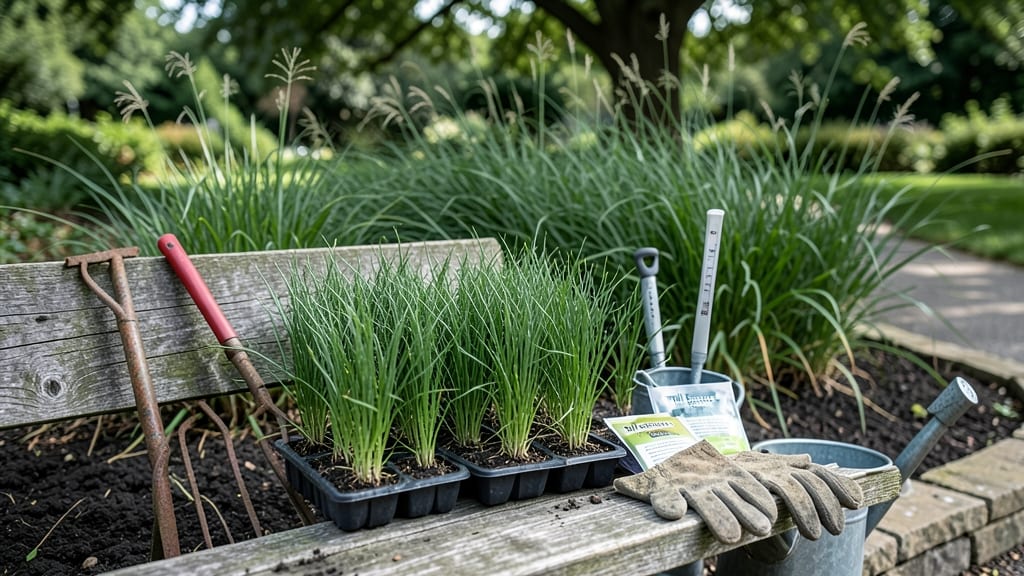
If you’ve ever struggled to get your Missouri lawn looking its best, the answer might be simpler than you think—planting fescue at the right time. This cool-season grass thrives when established in fall, but timing is everything in Missouri’s 5b-6b climate zones.
Fall planting gives fescue 4-6 weeks to grow deep roots before winter, making it far more resilient than spring starts. Whether you're in St. Louis or Springfield, missing this window can leave your lawn thin and patchy.
I’ll show you exactly when to plant for a lush, green carpet that outlasts Missouri’s harsh winters.
The key is planting between early September and mid-October, when soil stays warm enough for germination but temperatures cool for steady growth. This isn’t just guesswork—it’s a strategy backed by Missouri’s frost dates and seasonal rainfall patterns.
Let’s break down the exact steps to get your fescue off to the strongest start possible.
You’ll also discover how to prep your soil, choose the right variety, and avoid common mistakes that waste time and money. Ready to transform your lawn? Let’s dive into the secrets of fall planting success for fescue in Missouri.
Missouri’s ideal fescue planting window: fall dates by region
Missouri’s cool-season climate makes fall the perfect time to plant fescue, but timing varies by region. Northern areas like St. Louis and Kansas City (USDA zones 5b-6a) have earlier frost dates than southern spots like Springfield and Joplin (zone 6b-7a).
Planting too early or late can stunt root growth or invite winter kill.
For northern Missouri, aim for early September to mid-October—this gives seeds 6-8 weeks to establish before frost. Southern Missouri’s milder climate extends the window to mid-September to early November, but avoid planting after October 15 to prevent weak seedlings.
Missouri’s soil temperatures must stay above 50°F for germination. Use a soil thermometer to confirm—cool nights in September are ideal, while October’s dropping temps signal it’s time to stop.
Missouri’s unpredictable rainfall adds another layer. Plant when 1-2 weeks of dry weather are forecasted to avoid waterlogged soil. Check the National Weather Service for your region’s 7-day outlook before seeding.
| Region | Ideal Planting Window | Soil Temp Threshold | Key Risk |
|---|---|---|---|
| Northern MO (St. Louis, KC) | Early Sept - Mid-Oct | 50-65°F | Early frost (Oct 15) |
| Central MO (Columbia) | Mid-Sept - Late Oct | 50-68°F | Late-season drought |
| Southern MO (Springfield) | Late Sept - Early Nov | 55-70°F | Fungal growth |
Missouri’s spring planting window (early April) is riskier due to competition from weeds and summer heat stress. If you miss fall, plant in early April but prioritize soil prep and watering to compensate for shorter growing season.
Pro tip: Seed depth matters. Plant fescue ¼ inch deep in well-aerated soil. Use a rake or seed spreader for even coverage—Missouri’s compacted clay soils need extra attention to prevent uneven germination.
Missouri’s northern regions often face drought stress in late fall. If your area gets less than 1 inch of rain weekly, supplement with deep watering (1 inch per week) to encourage root growth before winter dormancy.
For shade-prone lawns (common in Missouri’s wooded areas), plant fine fescue varieties like Creeping Red, which tolerates 2-4 hours of sun daily. Southern exposures get more sunlight—ideal for Tall Fescue varieties.
Missouri’s first frost typically hits October 15 in the north and November 1 in the south. Time your planting to finish 4-6 weeks before—this ensures seedlings establish 3-4 inch roots before winter.
Why fall planting creates stronger fescue roots in Missouri’s climate
Missouri’s cool-season climate makes fall planting the golden window for fescue—when daytime temps hover between 60-75°F and nights dip below 50°F. This temperature range triggers fescue seeds to germinate quickly while preventing the heat stress of summer planting or the dormancy risks of late fall.
Cool evenings help fescue establish deep root systems before winter, which means your lawn will outcompete weeds next spring and resist drought during Missouri’s unpredictable summers. Think of it as giving your grass a head start on survival.
Missouri’s fall rainfall patterns—typically 2-4 inches monthly from September to November—provide the consistent moisture fescue needs to sprout without overwatering. Unlike spring, when dry spells can stress young seedlings, fall’s natural watering schedule works in your favor.
⚠️ Late Fall Planting Pitfall
Planting after mid-October risks seed dormancy from early frosts. In northern Missouri (USDA Zone 5b), first frost can hit as early as October 15, while southern areas (Zone 6b) may see it by November 1. Always aim to plant 4-6 weeks before frost.
Another key advantage? Weed competition drops in fall as warm-season weeds like crabgrass go dormant. This gives your fescue uninterrupted access to sunlight, nutrients, and water—critical for thick, uniform growth by spring.
Missouri’s soil temperatures also play a role. In fall, soil stays warm enough (50-65°F) for germination but cools just enough to slow weed seed growth. This balance is hard to replicate in spring, when weeds often sprout faster than grass.
For maximum root depth, focus on deep watering (1 inch per week) and light fertilization (10-10-10) in the first 4 weeks after planting. This mimics Missouri’s natural fall rain cycles while giving your fescue the nutrients it craves before winter.