
Planting
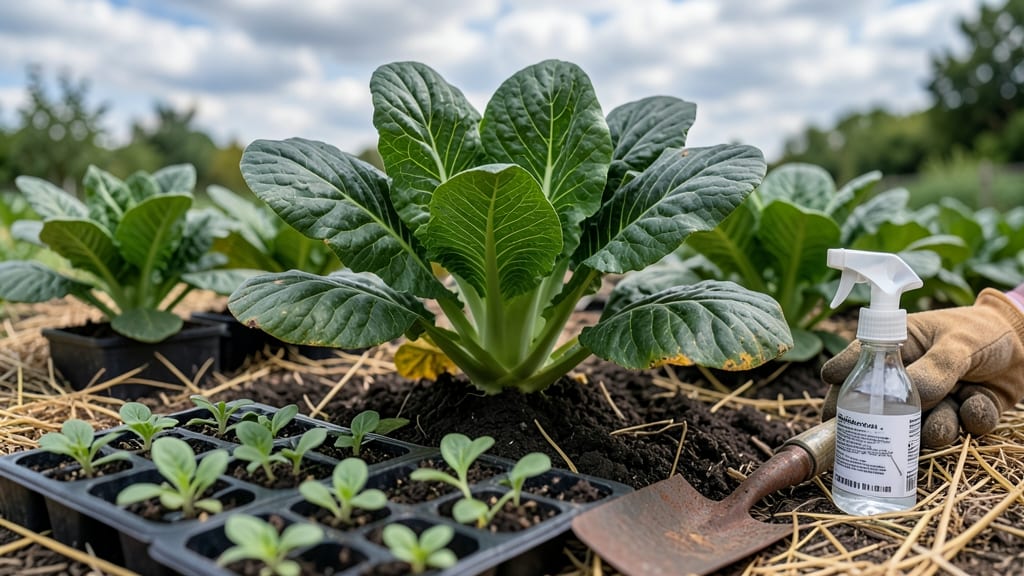
If you’ve ever dreamed of a thriving fall garden in Louisiana’s Heat Zone 9B, timing is the game-changer—plant too early, and tropical storms wreck your seedlings; too late, and frost sneaks in before you harvest.
The key? Starting your fall garden between mid-August and early September when soil stays warm but days begin cooling.
Louisiana’s humid climate lets you grow longer than most regions, but without the right schedule, you’ll miss peak harvests. I’ve tested the best planting windows for everything from heat-loving okra to frost-tender lettuce, so you can avoid common pitfalls like bolted greens or drowned beds during storm season.
In this guide, I’ll break down the exact months to plant each crop—plus how to adjust for Louisiana’s coastal vs. inland microclimates. Whether you’re a first-time gardener or a seasoned grower, these tips will help you harvest until December without stress.
Ready to beat the heat and frost? Let’s dive into the perfect fall planting timeline tailored just for Louisiana.
Louisiana fall planting calendar: exact dates by heat zone 9B month
Louisiana’s Heat Zone 9B means your fall garden can thrive with the right timing—typically from mid-August to late October. This window avoids tropical storm season (June–October) while maximizing harvests before the first frost (usually November 15–December 15).
Start with warm-season holdovers like okra and sweet potatoes, then transition to cool-season crops like broccoli and lettuce.
Your soil temperature is critical: aim for 60–75°F for most seeds. Use a soil thermometer to check—cooler temps slow germination. In coastal areas (e.g., New Orleans), plant 1–2 weeks later than inland zones (e.g., Shreveport) due to humidity delays. Always account for rainfall patterns—September often brings heavy downpours.
Here’s your month-by-month planting guide, tailored for Louisiana’s unique climate:
| Month | Warm-Season Crops (Direct Sow) | Cool-Season Crops (Transplant/Seed) | Soil Temp Goal (°F) | Notes |
|---|---|---|---|---|
| Mid-August | Okra, Sweet Potatoes, Southern Peas | None (too hot) | 75–85°F | Avoid hurricane season; use row covers. |
| Late August | Tomatoes, Peppers (late varieties) | Lettuce (heat-tolerant), Radishes | 70–75°F | Shade cloth for seedlings; mulch to retain moisture. |
| September | Collards, Turnips, Beets | Broccoli, Cabbage, Kale (transplant) | 65–70°F | Peak hurricane risk; harden off transplants. |
| October | Spinach, Carrots, Green Onions | Brussels Sprouts, Cauliflower (late Oct) | 60–65°F | Use frost blankets; avoid overwatering. |
For herbs, plant cilantro and dill in September for a fall harvest—both bolt quickly in heat. Basil can be sown in August for a late-season crop, but transition to parsley or chives by September. Flowers like cosmos and zinnias thrive in late summer; swap for pansies or snapdragons in October for frost resistance.
Pro tip: Use staggered planting for crops like lettuce—sow every 2 weeks in September to ensure a continuous harvest. This works especially well in Louisiana’s variable climate, where storms can disrupt growth. Always mark your calendar for the last expected frost date (Dec 15) to time your final plantings.
If you’re in south Louisiana (e.g., Lafayette), extend your season by 1–2 weeks due to coastal warmth. Inland areas (e.g., Monroe) may need to push cool-season crops earlier. Test your soil in August—aim for a pH of 6.0–7.0 for most fall vegetables.
Amend with compost or aged manure to improve drainage, critical after summer’s heavy rains.
For container gardening, prioritize fast-maturing crops like radishes (25 days) or bush beans (50 days). Place pots near south-facing walls to maximize sunlight. Dwarf varieties of tomatoes (e.g., ‘Tiny Tim’) can produce into October with proper care.
Always elevate containers to prevent waterlogging during tropical downpours.
Remember: Louisiana’s fall garden is all about balance. Plant warm-season crops early to capitalize on residual heat, then shift to cool-season staples as temperatures drop. With this schedule, you’ll enjoy harvests from October through December—just in time for holiday feasts!
How to adjust planting for Louisiana’s tropical storm season (June–October)
Louisiana’s tropical storm season—peaking from June to October—can turn your fall garden into a disaster if you’re not prepared. High winds and flooding can uproot seedlings or drown young plants, but with the right strategies, you can protect your crops and still enjoy a bountiful harvest.
The key is staggered planting and smart site selection to minimize storm damage.
For example, okra and sweet potatoes—warm-season crops that can handle heat—should be planted by mid-August to give them time to mature before storms roll in. Meanwhile, cool-season crops like lettuce or kale need to wait until late August to early September to avoid early bolting from residual summer heat.
Here’s how to shield your garden from storm risks without sacrificing your fall harvest:
High-risk crops: Tomatoes, peppers, and cucumbers are easily damaged by wind. Plant them near windbreaks (e.g., tall grasses, shrubs) or use raised beds to elevate roots.
Resilient crops: Radishes, turnips, and collards can recover quickly from minor flooding. Prioritize these for late August plantings.
If you’re in coastal Louisiana, where storm surges are a bigger threat, opt for container gardening or elevated beds. Inland areas face less flooding but still need protection from hurricane-force winds. A simple straw mulch layer (2–3 inches) around plants can prevent soil erosion during downpours.
Another pro tip: Stagger your plantings every 2–3 weeks. This way, if a storm hits, you’ll still have younger, more resilient plants ready to replace lost crops. For instance, plant a batch of carrots in late August, another in early September, and a final batch in mid-September.
This ensures a continuous harvest even if one batch fails.
Don’t forget to secure your garden tools and clear debris after storms. Broken branches or fallen trees can damage remaining plants. With these adjustments, you’ll beat the storm season and still enjoy a thriving fall garden until December.