
Plants
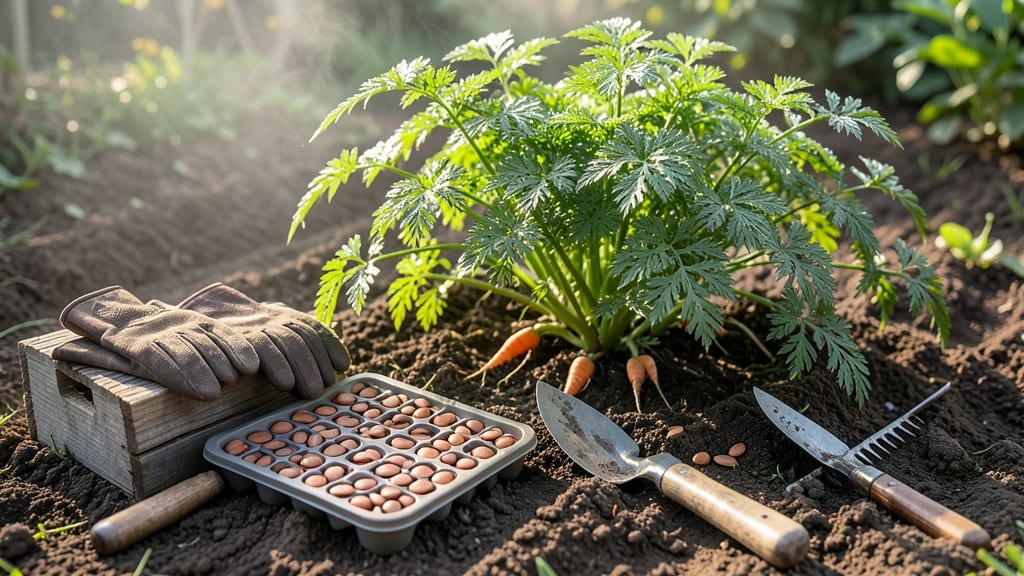
Timing your 🥕 carrot planting in South Louisiana isn’t just about the calendar—it’s about outsmarting the heat and humidity that can turn your garden dreams into soggy disappointments.
If you’ve ever watched your carrot seeds rot before sprouting or your tender greens wilt under the midday sun, you know the stakes are high.
The key to success lies in those cooler shoulder seasons when the air feels just right—not too hot, not too muggy. Planting in September-October or February-March gives your carrots the best shot at thriving, but even then, you’ll need a few tricks up your sleeve to beat Louisiana’s climate challenges.
I’ve grown carrots here for years, and let me tell you: the difference between a bountiful harvest and a frustrating flop often comes down to preparation.
From soil prep that drains like a dream to companion plants that keep pests at bay, we’re talking real, actionable strategies that actually work in USDA Zones 8b-9a.
Ready to stop guessing and start growing? Let’s dive into the exact steps I use to grow crisp, sweet carrots that rival anything you’d find at the market—without the stress.
You’ll learn when to plant, how to protect your crop from the elements, and which varieties hold up best in our humid summers.
Best planting months for carrots in South Louisiana’s humid climate
South Louisiana’s humid subtropical climate (USDA zones 8b-9a) makes carrot gardening tricky—too much heat causes bolting, while soggy soil leads to rot. But with the right timing, you can grow crisp, sweet carrots year-round.
The ideal window is September-October for fall and February-March for spring, when temperatures stay mild and humidity is manageable.
Carrot seeds need soil temperatures between 60-70°F to germinate properly. In Louisiana, spring soil warms quickly, while fall stays cool longer. Planting in early September gives seeds time to sprout before summer’s intensity peaks, while February-March avoids the brutal summer heat.
Humidity also plays a role—too much moisture can cause damping off, so well-drained soil is critical.
Here’s how Louisiana’s climate affects carrot planting:
| Season | Best Planting Month | Soil Temp (°F) | Humidity Risk | Key Tip |
|---|---|---|---|---|
| Fall | September-October | 65-75°F | Moderate (avoid rain) | Use shade cloth if temps rise above 80°F |
| Spring | February-March | 60-70°F | Low (dry air) | Test soil moisture—spring droughts can stress seedlings |
| Summer | Avoid (unless shaded) | Above 80°F | High (fungus risk) | Try heat-tolerant varieties like Nantes |
| Winter | December (mild zones) | 55-65°F | Low (dry) | Use row covers for frost protection |
For fall planting, aim for September 1-15 to give carrots 70-80 days to mature before winter. In spring, February 15-March 15 works best—soil is still cool, and humidity is lower. If you miss these windows, late August or November can work with shade cloth and extra care.
South Louisiana’s sandy loam soil drains quickly, which is ideal for carrots, but amend with compost to improve moisture retention. Avoid planting in heavy clay or waterlogged areas, as this causes forked roots. Instead, choose raised beds or mounded rows to improve drainage.
One common mistake is planting too early in spring. If you sow seeds in January, the heat of March-April can cause bolting (flowering) before roots develop. Similarly, late fall plantings (after November) risk frost damage. Use a soil thermometer to confirm temperatures are in the 60-70°F range before planting.
Local gardeners swear by succession planting in fall: Sow a small batch every 2-3 weeks from September through October. This ensures a continuous harvest and reduces the risk of carrot rust fly infestations, which thrive in humid conditions. Pair carrots with onions or leeks to repel pests naturally.
If you’re determined to grow carrots in summer, focus on shade and irrigation. Use 30-50% shade cloth to block intense sunlight and water deeply twice daily (morning and late afternoon) to keep roots cool. Varieties like ‘Paris Market’ or ‘Little Finger’ tolerate heat better than standard types.
Remember: Patience is key with carrots—they take 70-80 days to mature. In Louisiana’s climate, this means fall-planted carrots are ready by November-December, while spring-planted ones harvest in April-May. Mark your calendar and enjoy the sweet reward of homegrown roots!
Best planting months for carrots in South Louisiana’s humid climate
South Louisiana’s humid subtropical climate (USDA Zones 8b-9a) demands precise timing for carrot success. The ideal window is September through October when soil temperatures drop below 85°F, reducing the risk of bolting (premature flowering).
This cooler period also helps seeds germinate reliably despite the region’s high humidity and occasional afternoon heat.
Spring planting is possible but riskier—February to early March works best before temperatures climb. However, summer planting is not recommended due to heat stress and pest pressure like the carrot rust fly.
Even our mild winters (last frost: January 15) allow for late-winter sowings if you use row covers for frost protection.
| Planting Window | Soil Temp (°F) | Humidity Risk | Germination Time |
|---|---|---|---|
| September–October (Fall) | 60–80°F | Low (dryer air) | 7–14 days |
| February–March (Spring) | 55–70°F | Moderate (spring rains) | 10–14 days |
| August (Late Summer) | 85–95°F | High (fungal risk) | 14–21+ days |
*Use shade cloth for August plantings to reduce heat stress.
Soil temperature is critical—carrot seeds need consistent moisture but poor drainage leads to rot. Test your soil’s pH (6.0–7.0) and amend with compost or sand if it’s too clay-heavy (common in Louisiana). Loose, well-draining soil prevents forked roots, a common issue in our heavy soils.
Pro Tip: Sow seeds 1/4 inch deep in fine, sifted soil to avoid germination problems. Thin seedlings to 2–3 inches apart once they’re 2 inches tall—this reduces competition and improves root development. Succession planting every 2 weeks in fall ensures a continuous harvest.
Watch for: Carrot rust fly (use row covers) and fungal diseases like Alternaria in humid conditions. Mulch with straw to keep soil moist and deter pests. With the right timing, you’ll harvest sweet, crisp carrots from November through December—just in time for holiday meals!
Remember: South Louisiana’s short growing season (only ~240 frost-free days) means fall planting is your best bet for reliable yields. Don’t wait until summer—your carrots will thank you! 🥕