
Plants
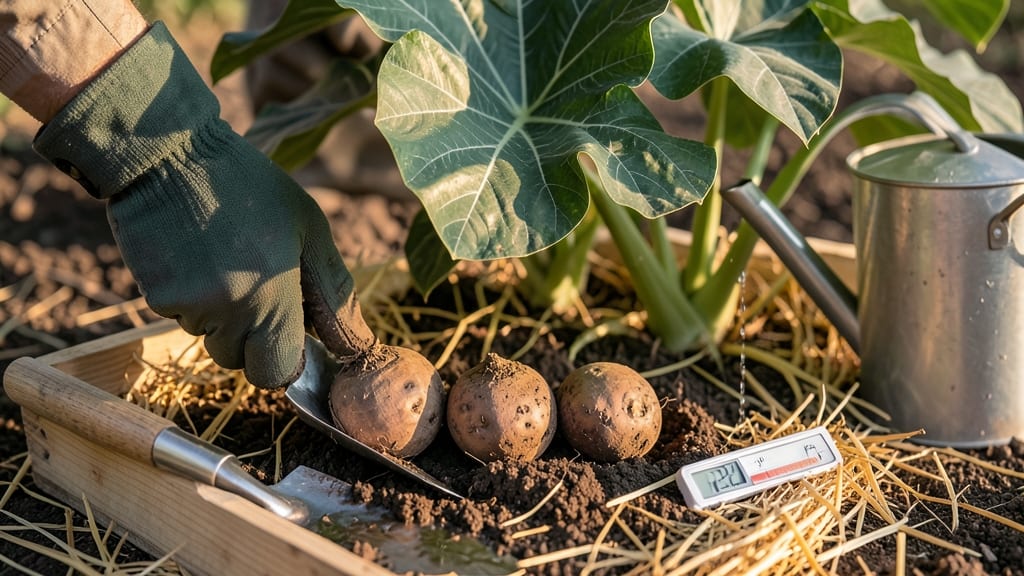
If you're dreaming of dramatic, heat-loving foliage in your Texas garden, knowing when to plant these elephant ear bulbs in Texas is the key to success. Plant too early, and those lush leaves will crisp in the relentless Texas sun; too late, and you’ll miss the growing season entirely.
Texas gardeners know the stakes—this isn’t just about pretty plants, it’s about surviving the heat and thriving until winter. The right window means bigger, bolder leaves and a garden that turns heads all summer long.
I’ll break down the exact months to plant in your region, whether you’re in North Texas’s cooler zones or South Texas’s sweltering climate. Plus, I’ll share pro tips to prep your bulbs for the heat and avoid common mistakes that kill these tropical beauties.
Ready to grow Elephant Ear 🌿 that steals the show? Let’s get those bulbs in the ground at the perfect time—before the heat (or the frost) ruins your plans.
Best months to plant elephant ear bulbs in Texas (by region)
Timing your elephant ear bulbs (Colocasia spp.) is critical in Texas, where 100°F+ temperatures can shock tender roots. Unlike cooler climates, Texas gardeners must account for USDA zones 6a-10a and regional frost patterns.
Plant too early, and your bulbs will rot in cold soil; too late, and they won’t establish before summer’s brutal heat.
Texas spans three distinct planting zones: North (cooler winters), Central (moderate), and South (year-round warmth). Each requires a tailored approach. For example, North Texas (like Dallas) has last frost dates around February 15, while South Texas (Houston area) rarely sees frost.
Let’s break down the ideal windows for each.
| Region | Last Frost Date | Best Planting Window | Soil Temp Goal | Notes |
|---|---|---|---|---|
| North Texas (Zones 7b-8a) | Feb 15 - Mar 1 | March 15 - April 30 | 60°F+ | Use mulch to retain heat; avoid late spring planting. |
| Central Texas (Zones 8a-9a) | Jan 15 - Feb 15 | February 20 - May 15 | 65°F+ | Best for container growing; extend season with shade cloth. |
| South Texas (Zones 9a-10a) | Rare (Dec 15) | February 1 - June 1 | 70°F+ | Treat as perennial; plant in partial shade to prevent leaf scorch. |
For North Texas, aim for March 15 when soil temperatures consistently stay above 60°F. This gives bulbs time to root before summer’s 100°F+ heat waves.
In Central Texas, you can start as early as February 20, but protect young plants with shade cloth during April’s sudden heat spikes.
In South Texas, where frost is rare, you have flexibility. Plant February 1 - June 1 for year-round interest, but prioritize partial shade to prevent leaf burn. Pro tip: Soak bulbs for 24 hours before planting to jumpstart root growth in hot climates.
Fall planting is risky in Texas unless you’re in Zone 9a+. Even then, plant 6-8 weeks before first frost (typically December 1 in Central Texas). Most gardeners treat elephant ears as annuals to avoid winter die-off, but Alocasia varieties (like Polly) tolerate slightly cooler temps.
One common mistake? Planting in June or July. While possible, bulbs struggle to establish before September’s heat. Instead, opt for container growing—move pots indoors or to shaded patios when temps exceed 95°F.
To check soil readiness, insert a soil thermometer 2 inches deep. Wait until it reads 60°F+ for North Texas, 65°F+ for Central, and 70°F+ for South. This ensures roots grow 1 inch per week instead of rotting.
Remember: Elephant ears thrive on heat once established, but they hate cold soil. By aligning your planting with these regional windows, you’ll enjoy bold, lush foliage from summer through fall—without the stress of wilting or rot. 🌿
Best months to plant elephant ear bulbs in Texas (by region)
Texas’s diverse climate means your elephant ear planting window depends on whether you’re in North, Central, or South Texas. In North Texas (Zones 7b-8a), aim for mid-April to early May after the last frost—typically around February 15.
For Central Texas (Zones 8a-9a), plant between March 15 and April 15, while South Texas (Zones 9a-10a) gardeners can start as early as February 1.
Fall planting is also possible in North and Central Texas—shoot for September to early October, giving bulbs time to establish before first frost (usually November 15).
In South Texas, fall planting works until mid-October due to milder winters. Alocasia varieties (like 'Polly') tolerate heat better than Colocasia (like 'Black Stem'), so adjust timing if you’re growing heat-sensitive types.
| Region | USDA Zone | Spring Planting Window | Fall Planting Window | Key Consideration |
|---|---|---|---|---|
| North Texas | 7b-8a | Mid-April to early May | September to early October | Last frost: Feb 15; first frost: Nov 15 |
| Central Texas | 8a-9a | March 15 to April 15 | September to mid-October | Last frost: Mar 15; first frost: Dec 1 |
| South Texas | 9a-10a | February 1 to March 15 | September to mid-October | Last frost: Jan 15; minimal frost risk |
If you’re in Zone 10a, treat elephant ears as year-round plants—they’ll thrive with consistent moisture and partial shade. For container planting, start bulbs indoors 4-6 weeks before your region’s last frost date. This head start helps them outpace Texas’s intense summer heat once transplanted outside.
Pro tip: Use a soil thermometer to confirm soil temps are above 60°F before planting. Cold soil slows root growth, leaving your bulbs vulnerable to heat stress once temperatures rise. In North Texas, wait until nighttime lows stay above 55°F consistently.
For heat-sensitive varieties like 'Illustris' or 'Black Magic', consider partial shade (3-4 hours of morning sun) to prevent leaf scorch. In South Texas, where summer temps exceed 100°F, mulch heavily with 3-4 inches of organic mulch to retain moisture and protect roots.
This extends the growing season by 2-3 weeks compared to unmulched beds.
Remember, elephant ears are not true perennials in Texas—they’ll die back in winter but can return if bulbs survive. In colder zones (Zone 7b), treat them as annuals or dig and store bulbs indoors for next year.
In warmer zones (Zone 8a+), they may naturalize over time with proper care.