
Plants
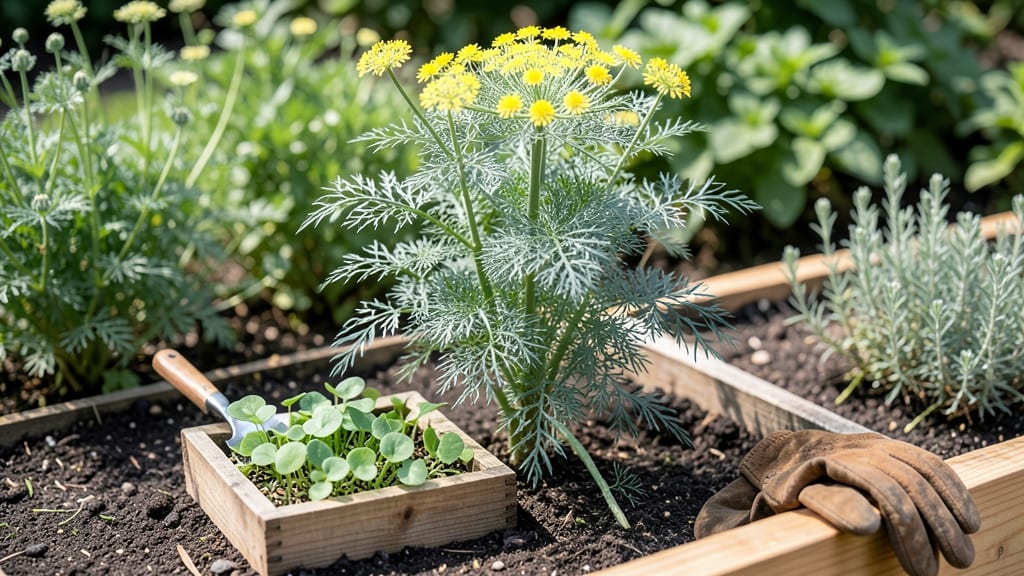
If you've ever planted dill in Zone 9 only to watch it bolt into flower before you can harvest a single leaf, you're not alone. The key to growing lush, flavorful dill in Southern California's scorching summers isn't just about watering—it's about timing.
Planting at the wrong time means bitter harvests or wasted seeds, but get it right, and you'll enjoy fresh dill all season long.
For gardeners in Zone 9, the best window to plant dill is during late winter to early spring, when temperatures are mild and the risk of bolting is low. This gives your 🌿 dill plants time to establish strong roots before the heat sets in.
But here's the secret: a second planting in early fall can also yield great results, extending your harvest well into cooler months.
Why does timing matter so much? Dill is a cool-season herb that struggles when temperatures climb above 75°F. Plant too late, and you'll end up with woody stems and premature flowering.
I'll show you exactly how to time your plantings for maximum flavor and zero bolting, plus how to keep your dill thriving even when summer temperatures soar.
Ready to grow dill that stays fresh and flavorful? Let's dive into the best months to plant, soil prep tips, and strategies to prevent bolting so you can enjoy homegrown dill all season long. Your taste buds will thank you!
Optimal planting windows for dill in Zone 9 (avoid bolting & heat stress)
In Zone 9, where summers can hit 100°F+, timing your dill planting is critical to avoid bitter flavors and premature bolting. The key is to plant when soil temperatures stay below 75°F—this gives your dill time to establish strong roots before the heat arrives.
My best advice? Stick to late winter to early spring (January–March) or early fall (September–October) for the most successful harvests.
Zone 9’s microclimates (like coastal vs. desert areas) can shift these windows by 2–4 weeks. For example, in Phoenix, aim for February–March plantings, while Los Angeles gardeners can start as early as January.
Always check your last frost date—even though frost is rare, cooler nights help dill thrive.
Here’s the golden rule: Never plant dill in late spring or summer in Zone 9. The intense heat causes dill to bolt (flower) within weeks, turning leaves bitter and woody. I’ve learned this the hard way—my summer-planted dill went from lush to bolted in just 10 days!
| Planting Window | Ideal Soil Temp | Zone 9 Months | Key Tip |
|---|---|---|---|
| Early Spring | 50–65°F | January–March | Start seeds indoors 4–6 weeks before last frost for stronger seedlings. |
| Fall | 60–70°F | September–October | Use shade cloth (30–50%) to protect from late-season heat. |
| Avoid | Above 75°F | April–August | Bolting guaranteed—save seeds or skip planting. |
To extend your harvest, try succession planting every 2–3 weeks in spring. This ensures a steady supply of fresh dill without gaps. For example, plant your first batch in late January, then follow up in February and March.
I’ve used this method to enjoy dill from March through June—just enough to stock my freezer with pickles and soups!
Before planting, prep your soil by mixing in 2–3 inches of compost to retain moisture and improve drainage. Dill hates soggy roots, so amend heavy clay soil with sand or perlite.
A pH of 6.0–7.0 is ideal—test your soil and adjust with lime or sulfur if needed. My go-to trick? Plant dill near cucumber or tomato plants to deter pests naturally.
If you’re in a hot inland Zone 9 (like the Coachella Valley), consider growing dill in containers with self-watering systems. This gives you control over moisture and protects roots from extreme heat. Just ensure pots have drainage holes—dill roots rot quickly in waterlogged soil.
Watch for heat stress signs like yellowing leaves or wilting, even with proper watering. This means your dill is struggling—immediately move pots to partial shade or cover outdoor plants with shade cloth. I’ve saved multiple batches this way during 105°F+ heatwaves.
Harvest your dill when leaves are large and flat (not woody) for the best flavor. Pinch off flowers to encourage leaf growth—this keeps your plants productive longer. With the right timing, you’ll enjoy fresh dill for 8–10 weeks before bolting takes over.
Optimal planting windows for dill in Zone 9 (avoid bolting & heat stress)
In Zone 9, where summers can hit 100°F+, planting dill at the wrong time means bitter leaves and wasted efforts. The key is timing—cool spring and fall windows when temperatures stay below 80°F for optimal growth. Let’s break down the best months and why they work.
Dill thrives in 50–75°F soil temps, making March and April the sweet spot for Zone 9 gardeners. These months offer long daylight but avoid the crushing heat of summer. Planting in late winter (February) is also possible if your microclimate cools quickly—but rush it, and you’ll face heat stress.
| Planting Window | Soil Temp (°F) | Daylight Hours | Key Tip |
|---|---|---|---|
| Late Winter (Feb) | 50–60°F | 10–12 hrs | Use shade cloth if temps spike |
| Early Spring (Mar–Apr) | 60–75°F | 12–14 hrs | Best for flavor and growth |
| Fall (Sept–Oct) | 65–70°F | 11–12 hrs | Avoid late Oct—cooler nights slow growth |
Fall planting (September–October) is a game-changer for Zone 9 gardeners. As summer heat fades, dill grows steadily without bolting. Aim for 60–70°F soil temps—any hotter, and you’ll trigger early flowering. For a continuous harvest, stagger plantings every 2–3 weeks in spring and fall.
Why does summer planting fail? Dill bolts (goes to seed) when stressed by heat above 85°F or drought conditions. Even with daily watering, the plant prioritizes survival over leafy growth.
If you must plant in summer, use 30% shade cloth and water deeply twice daily—but expect smaller yields.
Pro tip: Test your soil’s drainage before planting. Dill hates soggy roots, so amend heavy clay with compost or perlite to prevent rot. A south-facing bed with afternoon shade (via a lattice or tree) keeps temps ideal for 6+ hours of sun without scorching leaves.
For Zone 9’s desert climates (like Phoenix or Las Vegas), consider container growing on patios. Pots dry out faster, so use self-watering planters and move them to shade by 11 AM. With the right timing, you’ll enjoy fresh dill for pickling or soups all season—no bolting in sight!