
Plants
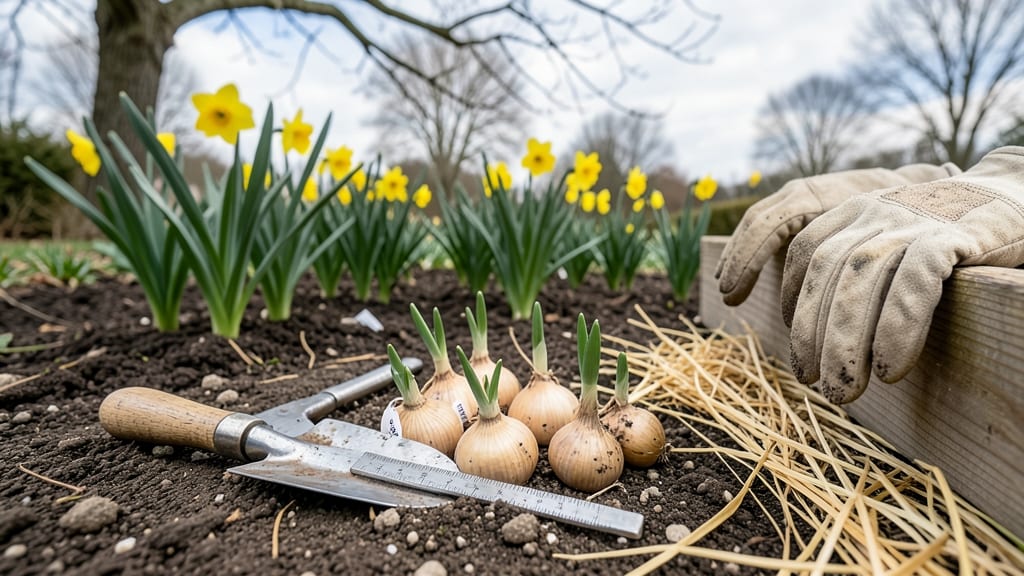
Planting daffodils in Minnesota isn’t just about timing—it’s about beating the frost before it beats your bulbs. If you’ve ever watched your hard work vanish overnight, you know how crucial September through November really is for those golden 🌼 blooms.
Here’s the secret: daffodils need time to root before the ground freezes, but waiting too late risks weak growth. In zones 3b-5b, the ideal window is 4-6 weeks before the first frost, giving them just enough time to establish roots while avoiding winter’s harshest chill.
I’ll break down the exact frost-proof timeline for Minnesota’s regions, from the Twin Cities to Duluth, so you can plant with confidence. No more guessing—just vibrant, reliable blooms next spring.
Ready to transform your yard? Let’s dive into the step-by-step planting plan that works for Minnesota’s unpredictable weather.
Minnesota’s frost-free planting zones for daffodils (with exact dates)
Daffodils thrive in Minnesota’s USDA Hardiness Zones 3b-5b, but the key to their success lies in planting them at the right time—before the ground freezes. The ideal window is 4-6 weeks before your region’s first hard frost, typically between mid-September and mid-November.
This timing ensures bulbs establish roots before winter dormancy while avoiding spring planting risks.
Minnesota’s climate varies dramatically by region, so your last frost date could differ by weeks. For example, the Twin Cities (Zone 4b) usually sees its first frost around October 15, while Duluth (Zone 3b) freezes as early as September 25.
Adjust your planting schedule accordingly to avoid frost damage or failed blooms.
Here’s how your local frost dates impact daffodil planting:
| Region | USDA Zone | Avg. First Frost | Ideal Planting Window | Notes |
|---|---|---|---|---|
| Northern MN (Duluth, Brainerd) | 3b-4a | Sep 25-Oct 5 | Mid-Sept to Oct 10 | Plant early; soil freezes fast |
| Twin Cities (Minneapolis, St. Paul) | 4b | Oct 10-20 | Oct 1-15 | Most reliable for beginners |
| Southern MN (Rochester, Mankato) | 4b-5a | Oct 15-25 | Oct 10-Nov 1 | Later frost = longer planting window |
If you’re unsure about your local frost dates, check the National Weather Service or your local cooperative extension office. For example, the University of Minnesota Extension provides free frost date maps tailored to your county.
This precision ensures your daffodil bulbs get the 6-8 weeks of root growth they need before winter.
Daffodils are hardy perennials, meaning they’ll return year after year if planted correctly. The soil temperature should be below 60°F but still workable—aim for 50-60°F for optimal bulb settling.
In colder zones like Zone 3b, plant as soon as soil is dry enough to crumble (usually late August to early September).
Pro tip: Use a soil thermometer to monitor temperatures. If soil drops below 40°F, bulbs may not root properly. In Zone 5b, you can push planting to mid-November, but avoid planting after the first frost—bulbs need time to establish before winter.
For container gardening, plant daffodils in well-draining pots and move them to a garage or cold frame if temperatures dip below 20°F. This protects bulbs while still allowing them to experience winter chilling, which triggers spring blooms.
Containers also let you adjust planting times if your yard freezes early.
Remember, daffodils hate soggy soil. In Minnesota’s wet springs, ensure your planting site has good drainage—amend heavy clay soil with compost or sand to prevent bulb rot. Raised beds are ideal for areas with poor drainage or early snowmelt.
Finally, mulch after planting with 2-3 inches of straw or shredded leaves to insulate bulbs and retain moisture. Remove mulch in early spring once shoots emerge to prevent rot. This simple step can mean the difference between vibrant blooms and failed growth.
Step-by-step daffodil planting timeline for Minnesota’s climate
Minnesota’s chilly autumns demand precision when planting daffodil bulbs. The key is to plant them 4-6 weeks before the ground freezes, typically between mid-September and mid-November. This timing ensures bulbs establish roots before winter dormancy while avoiding frost damage.
Start by ordering high-quality daffodil bulbs in early August—this gives you time to acclimate them indoors if needed. Look for firm, plump bulbs with no soft spots or mold. Paper-white varieties are especially hardy for Minnesota’s USDA Zones 3b-5b.
🌼 Step 1: Soil Prep (Late August–Early September) Choose a sunny spot with well-draining soil. Daffodils hate soggy roots, so amend heavy clay with compost or sand. Test your soil’s pH—ideal is 6.0-7.0. If your soil is acidic, add lime 4-6 weeks before planting.
- Test soil pH (aim for 6.0-7.0)
- Amend with compost or sand for drainage
- Choose a sunny, well-draining spot
- Remove weeds and loosen soil 6-8 inches deep
🌼 Step 2: Planting (Mid-September–Mid-November) Plant bulbs 6-8 inches deep and 4-6 inches apart. Larger bulbs can go deeper (up to 8 inches). Use a bulb planter or your finger to mark depth—daffodils need space to grow roots downward. Water thoroughly after planting to settle the soil.
🌼 Step 3: Mulching & Protection (Late October) Once the ground freezes (after mid-October), add a 2-3 inch layer of mulch (straw or shredded leaves) to insulate bulbs. In Zone 3b areas (like Duluth), consider extra mulch or a light straw cover for added protection during harsh winters.
After planting, skip watering until spring. Daffodils store moisture in their bulbs and need dormancy in winter. In April, when shoots emerge, resume watering and fertilize lightly with 10-10-10 to encourage blooms. With this timeline, you’ll enjoy vibrant daffodils by late April or May!