
Plants
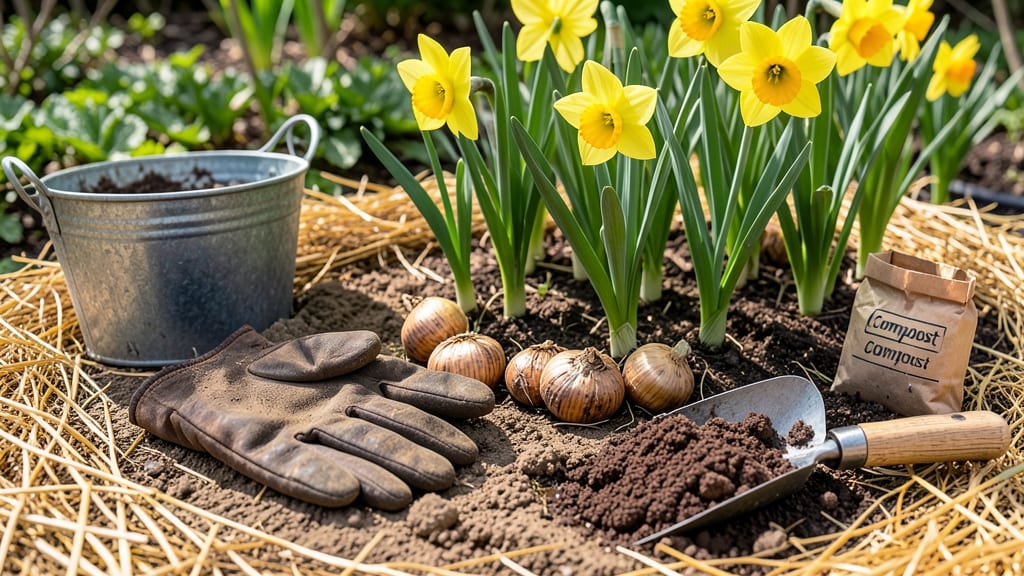
Planting daffodil bulbs in Wisconsin isn’t just about dropping them in the ground—it’s about timing them perfectly to beat the first frost and ensure those cheerful 🌼 blooms return next spring.
If you’ve ever wondered why some gardeners swear by October while others insist on September, the answer lies in your specific USDA zone (4a-5b) and how early your frost arrives.
Here’s the game-changer: in Wisconsin, you’ve got just a 6–8 week window before the ground freezes solid. Plant too early, and your bulbs might rot; too late, and they won’t establish roots before winter.
I’ll break down the exact frost-proof timeline for zones 4 and 5, so you can plant with confidence—no guesswork, no wasted bulbs.
Ready to transform your yard into a springtime goldmine? You’ll discover how to prep your soil, pick the ideal planting depth, and even troubleshoot Wisconsin’s tricky clay soil. Let’s get those daffodils in the ground the right way—so you can enjoy their bold colors from April through June.
Whether you’re a first-time gardener or a veteran with a few failed attempts under your belt, these proven steps will help you avoid common mistakes. By the end, you’ll know exactly when to plant, how deep to go, and what to watch for as winter sets in.
Let’s make next spring your brightest yet!
Wisconsin daffodil planting calendar: exact months by zone 4 vs 5
Wisconsin’s USDA hardiness zones 4 and 5 create two distinct windows for planting daffodil bulbs. In Zone 4 (northern WI), the window is narrower due to earlier frosts, while Zone 5 (southern WI) offers a slightly longer season.
Aim to plant 4–6 weeks before the first hard frost—typically between mid-September and mid-November—to ensure roots establish before winter.
Miss the perfect window? Late fall planting (December) is still possible if the ground isn’t frozen, but bulbs need insulation with mulch to survive Wisconsin’s harsh winters. Conversely, planting too early (August) risks bulbs sprouting before frost, which can kill tender shoots.
Here’s how to align your planting with Wisconsin’s climate:
| Factor | Zone 4 (Northern WI) | Zone 5 (Southern WI) |
|---|---|---|
| First Frost Date | Mid-October | Late October |
| Ideal Planting Window | Mid-September to early October | Late September to mid-November |
| Soil Temperature Threshold | 45–50°F (7–10°C) | 45–50°F (7–10°C) |
| Last Chance to Plant | Early November (if ground isn’t frozen) | Mid-November (if ground isn’t frozen) |
| Key Adjustment for Early Frost | Plant earlier (by late August) and mulch heavily | Plant later (up to December) with insulation |
For Zone 4 gardeners, prioritize planting by early October to avoid frost damage. Use a soil thermometer to confirm temperatures are below 50°F—this signals it’s safe to plant.
In Zone 5, you have more flexibility, but don’t wait past mid-November unless you’re prepared to protect bulbs with straw or leaves.
Pro tip: Check your local frost dates using the National Weather Service or Old Farmer’s Almanac. Wisconsin’s microclimates can shift frost dates by 1–2 weeks, so adjust accordingly. For example, Madison (Zone 5a) typically sees its first frost 2 weeks later than Duluth (Zone 4a).
If you’re unsure about your zone, dig a small test hole in your garden. Insert a thermometer and monitor temperatures daily. Once they drop to 50°F at 4-inch depth, it’s time to plant. This method is foolproof and eliminates guesswork.
For container gardening, extend your planting window by 2–4 weeks. Pots warm up faster in fall, so you can plant daffodil bulbs in containers until early November in Zone 5. Just ensure containers have drainage holes and move them to a protected location before winter.
Remember: Daffodil bulbs need cold exposure to bloom. Planting too late (after November 15) in Zone 4 or too early (before September 1) in Zone 5 can result in poor or no flowering. Balance is key—aim for 6–8 weeks of root growth before winter.
Once planted, mulch heavily with 3–4 inches of straw or shredded leaves to insulate bulbs. This extra layer helps Zone 4 gardeners avoid frost heave and ensures bulbs stay firmly in place during Wisconsin’s freeze-thaw cycles. 🌼
Wisconsin daffodil planting calendar: exact months by zone 4 vs 5
Wisconsin’s USDA hardiness zones 4-5 create a tight window for planting daffodil bulbs—too early, and they’ll rot in warm soil; too late, and they won’t root before frost. Northern Wisconsin (zone 4) has 6-8 fewer frost-free days than southern Wisconsin (zone 5), so timing matters even more.
Here’s how to pinpoint your exact planting window based on local frost dates and soil conditions.
For zone 4 (northern WI), aim to plant between mid-September and early October. This gives bulbs 6-8 weeks to establish roots before the ground freezes—typically around mid-to-late October.
In zone 5 (southern WI), you’ve got a slightly longer window: late September to mid-November, since frost often arrives 2-3 weeks later than in zone 4.
Use this soil temperature rule: Plant when daytime temps hover around 60°F but nighttime temps drop to 45-50°F. This balance ensures bulbs start rooting without risking frost damage. In Wisconsin, this usually aligns with late September for zone 5 and early October for zone 4.
| Zone | Ideal Planting Window | Soil Temp Threshold | Frost Risk |
|---|---|---|---|
| Zone 4 (Northern WI) | Mid-September to early October | 45-50°F (nighttime) | High after early October |
| Zone 5 (Southern WI) | Late September to mid-November | 45-50°F (nighttime) | Moderate after mid-November |
🌱 Pro Tip: Check your local first frost date (usually October 15 for zone 4, November 1 for zone 5) and plant 6-8 weeks before.
If you miss the ideal window, don’t panic! You can still plant daffodil bulbs in early December as long as the ground isn’t frozen. Bulbs planted this late may take 1-2 years to bloom, but they’ll still thrive.
Just avoid planting after the ground freezes—frozen soil prevents root growth entirely.
For extra insurance, use mulch (straw or shredded leaves) after planting to insulate bulbs from early frosts or wild temperature swings. In Wisconsin’s unpredictable climate, this can mean the difference between next spring’s blooms and wasted bulbs.
Remember: Daffodils planted in fall need 6-8 weeks of root growth before winter sets in. If you’re unsure about your local frost date, err on the earlier side—bulbs won’t mind waiting in the soil, but they won’t survive if planted too late. 🌼