
Plants
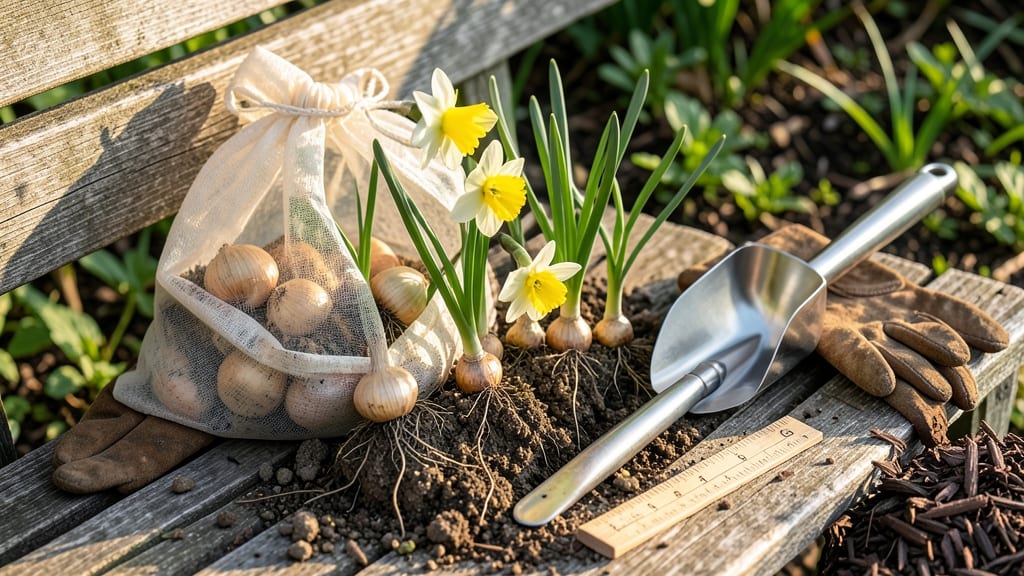
Timing your daffodil bulb planting in Zone 9 can feel like walking a tightrope—too early, and those bulbs might wake up too soon, only to fry in summer heat. Too late, and they won’t root properly before the warm weather kicks in.
But here’s the good news: with the right approach, you can skip the guesswork and set your 🌼 up for vibrant spring blooms.
In Zone 9 (think Southern California or Phoenix), the ideal window runs from November through January, when soil temps stay cool enough for roots to establish without summer stress. This 6-8 week window is your golden ticket to avoiding common mistakes that leave bulbs struggling—or worse, dead.
I’ll walk you through exactly how to time your planting, prep the soil, and protect those bulbs from Zone 9’s tricky climate. Whether you’re a first-time gardener or a seasoned pro, these steps will help you plant with confidence and enjoy those cheerful blooms come March or April.
Ready to transform your garden? Let’s dive into the simple, foolproof method that works every time in Zone 9’s mild winters—and how to keep your daffodils thriving through the heat ahead.
Ideal planting window for Zone 9 daffodils: late fall timing explained
Zone 9’s mild winters and hot summers create a unique challenge for daffodil bulb planting. Unlike colder climates, bulbs here need a 6-8 week window to establish roots before summer heat arrives. Plant too early, and they may sprout prematurely—plant too late, and they’ll struggle to survive the heat.
My exact planting window for Zone 9 is mid-October through December, with November being the sweet spot. This timing ensures bulbs get cool soil temperatures (below 60°F) for root growth while avoiding summer dormancy failure.
The key is soil temperature, not frost. Daffodils in Zone 9 don’t need frost to trigger blooming—they respond to day length and root establishment. Planting in late fall gives roots time to grow before summer’s 100°F+ soil temps arrive.
Here’s the critical timeline I follow: bulbs should be in the ground 4-6 weeks before the first signs of spring growth (typically late February in Zone 9). This ensures roots are 2-3 inches deep before summer stress begins.
If you’re in Zone 9b (like Southern California), aim for November planting. For Zone 9a (cooler microclimates like higher elevations), early December works better. Always check your local last frost date—though Zone 9 rarely sees frost, early spring warmth can trick bulbs into sprouting too soon.
Pro tip: Use a soil thermometer to confirm temps are below 60°F at planting depth (4-6 inches). If soil is warmer, wait 2-4 weeks—hot soil can cause bulbs to rot before roots form.
| Month | Soil Temp Goal | Root Growth Status | Risk Level |
|---|---|---|---|
| October | 60-70°F | Early root start | Low |
| November | 50-60°F | Optimal growth | None |
| December | 40-50°F | Slow but steady | Low |
| January | 50-60°F | Root hardening | Moderate (late planting) |
| February | 60°F+ | Dormancy risk | High |
🌱 Best Month: November
Why November? This month balances cool soil and avoiding summer heat. Bulbs planted in November will have 4-5 months of root growth before summer arrives, giving them the strength to handle Zone 9’s intense sun.
If you miss November, don’t panic—December is still viable, but you’ll need to mulch heavily (3-4 inches of straw or wood chips) to protect bulbs from winter heat spikes. Avoid planting after January, as roots won’t establish before summer stress begins.
For container planting, the window is even tighter: aim for October-November and use well-draining pots with extra mulch on top. Containers heat up faster, so monitor soil temps closely.
Remember: Daffodils in Zone 9 don’t need frost—they need cool roots. Focus on soil temperature, not calendar dates, and you’ll set your bulbs up for vibrant spring blooms every year. 🌼
Ideal planting window for Zone 9 daffodils: late fall timing explained
Zone 9’s mild winters create a unique challenge for daffodil bulbs—plant too early, and they’ll sprout before winter’s end, only to wilt in summer heat. Plant too late, and they won’t establish roots before the dry season.
The ideal window is a 4-6 week period from mid-October to mid-November, when soil temps hover between 50-60°F.
This timing ensures bulbs develop strong root systems before spring growth begins. In Zone 9b (e.g., Southern California), aim for late October—just as summer’s heat fades. For Zone 9a (e.g., Phoenix), shift to early November to avoid premature sprouting.
🌱
| Stage | Action | Soil Temp |
|---|---|---|
| Pre-Planting | Test soil moisture | 60-70°F |
| Planting Window | 6-8 weeks before sprouting | 50-60°F |
| Root Establishment | Avoid water stress | 45-55°F |
| Spring Growth | Protect from heat | 65°F+ |
Bulbs planted in late November risk stunted growth, while those planted in early October may sprout too soon. Use a soil thermometer to confirm temps—below 50°F delays root growth, while above 65°F stresses bulbs. In drought-prone areas, prioritize planting by mid-November to ensure moisture retention.
For container gardening, extend the window to December—pots dry out faster, so monitor soil moisture closely. In shady microclimates (e.g., under trees), plant by early November to avoid fungal risks from excess moisture.
🌿
Pro tip: Mark your calendar for 6-8 weeks after planting—this is when bulbs need consistent moisture to prevent dormancy failure. In Zone 9’s dry summers, mulch heavily to retain soil moisture and shield roots from heat stress.