
Plants
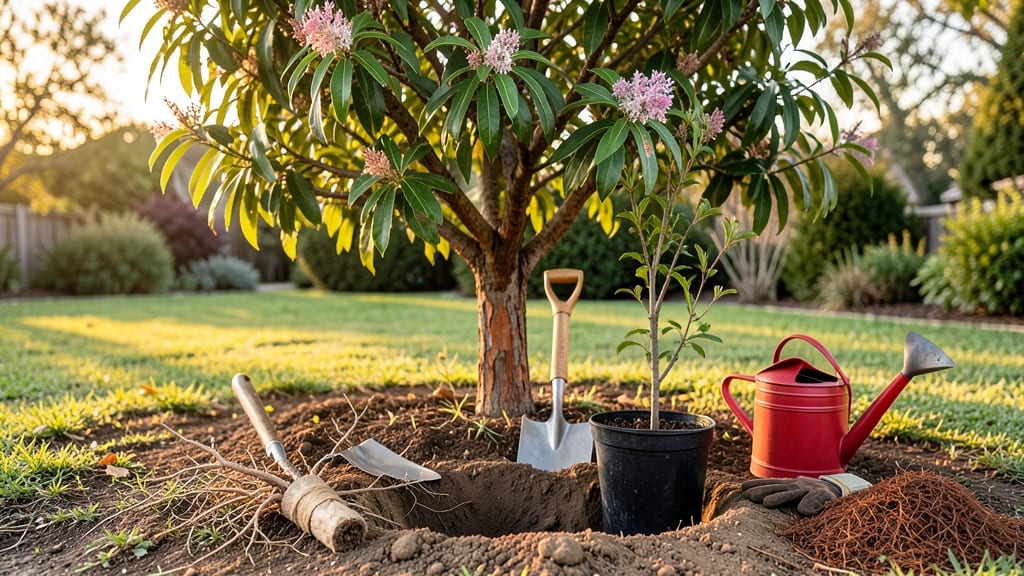
If you're dreaming of vibrant 🌸 crape myrtles transforming your Virginia landscape, timing your planting could mean the difference between a thriving tree and a struggling one.
The right window ensures strong root growth and stunning summer blooms, while getting it wrong might leave your tree struggling through Virginia’s unpredictable spring frost dates.
Virginia’s USDA Zones 7a-7b offer two prime opportunities to plant crape myrtles—late March to early May or September to early October—when soil temperatures and frost risks align perfectly. These windows give your tree the best chance to establish itself before summer’s heat or winter’s chill sets in.
Whether you’re planting in-ground or containers, understanding Virginia’s microclimates is key. From Richmond’s earlier frost dates to Roanoke’s later springs, local conditions can shift your ideal planting timeline by weeks. Let’s break down the exact months and preparation steps to set your crape myrtle up for success.
You’ll also discover how to avoid common mistakes—like planting too early and risking frost damage—that could derail your tree’s growth. With the right timing and care, your crape myrtle will reward you with bold blooms and years of low-maintenance beauty.
Best planting windows for crape myrtles in Virginia’s zone 7a-7b
Virginia gardeners know timing is critical for crape myrtles (Lagerstroemia spp.), especially in USDA Zones 7a-7b. Planting too early risks frost damage, while waiting too long delays root establishment.
The ideal windows are late March to early May (spring) or September to early October (fall), aligning with Virginia’s last frost dates and soil warmth.
Spring planting gives crape myrtles a full growing season to establish roots before winter. In Virginia, this means waiting until after the last average frost date—typically mid-April in Richmond or late April in Roanoke. Soil temperatures should reach at least 60°F for optimal root growth.
Fall planting offers a second chance, allowing roots to settle before winter dormancy. Aim for 6-8 weeks before the first frost (usually mid-October in Richmond). This timing ensures roots harden off before cold sets in, reducing transplant shock.
🌸
| Planting Window | Best Months | Soil Temp Requirement | Key Considerations |
|---|---|---|---|
| Spring | Late March–Early May | 60°F+ | After last frost; water deeply to encourage root growth. |
| Fall | September–Early October | 50°F+ | 6-8 weeks before first frost; mulch heavily for winter protection. |
| Avoid | June–August | N/A | Extreme heat stresses young roots; transplant shock risk increases. |
Source: Virginia Cooperative Extension (VCE) climate data
For container-grown crape myrtles, adjust timing slightly. Containers warm faster in spring, so you can plant 2-3 weeks earlier than in-ground varieties. However, avoid fall container planting—roots struggle to establish before winter dormancy.
Virginia’s humid summers and clay-heavy soils in many regions demand extra care. Amend soil with compost or sand to improve drainage, and mulch heavily (3–4 inches) to retain moisture. In urban heat islands (e.g., Richmond), water deeply 2–3 times per week during the first growing season.
If you miss the ideal windows, don’t despair. Bare-root crape myrtles can tolerate late spring planting (up to early June) if given consistent moisture and shade cloth during heatwaves. Just expect slower initial growth compared to spring/fall plantings.
🌿
Pro tip: Use a soil thermometer to confirm soil temps before planting. Aim for 60°F+ for spring or 50°F+ for fall. This small investment prevents costly mistakes and ensures your crape myrtle thrives in Virginia’s hot, humid summers.
🪴
Best planting windows for crape myrtles in Virginia’s zone 7a-7b
Virginia’s USDA Zones 7a-7b offer two ideal windows for planting crape myrtles: early spring and fall. These timing choices help avoid frost damage while maximizing root establishment before extreme heat or cold. I’ve planted mine in both seasons—spring for faster blooms and fall for stronger root growth.
For spring planting, aim for late March to early May after the last frost date. In Richmond (Zone 7b), this is typically mid-April, while Roanoke (Zone 7a) waits until early April.
Soil temperatures should reach 60°F+ to prevent shock. My first attempt in early March failed when a late frost hit!
🌱 Crape Myrtle Planting Windows in Virginia
| Season | Best Months | Soil Temp | Key Consideration |
|---|---|---|---|
| Spring | Late March–Early May | 60°F+ | After last frost; faster bloom time |
| Fall | September–Early October | 50°F+ | 6-8 weeks before first frost; stronger roots |
Fall planting (September to early October) gives roots time to establish before winter. In Virginia’s humid climate, this reduces transplant shock and improves survival rates. I’ve seen my fall-planted trees outperform spring ones in drought years—their deep roots access moisture better.
Both seasons work, but spring planting delivers faster blooms, while fall planting builds hardier trees. For container-grown crape myrtles, I plant in late April to avoid root-bound stress from summer heat. Always check your local last frost date—Virginia’s varies by 2-3 weeks from coastal to mountain regions.
Pro tip: Test soil moisture before planting. If the ground feels dry 3 inches down, water deeply 24 hours before transplanting. My neighbor’s wilting crape myrtle in July? She planted too early in March when the soil was still cold.
For container planting, use well-draining pots and plant in May to avoid overheating. My balcony crape myrtle thrives in a 15-gallon pot with morning sun—just