
Plants
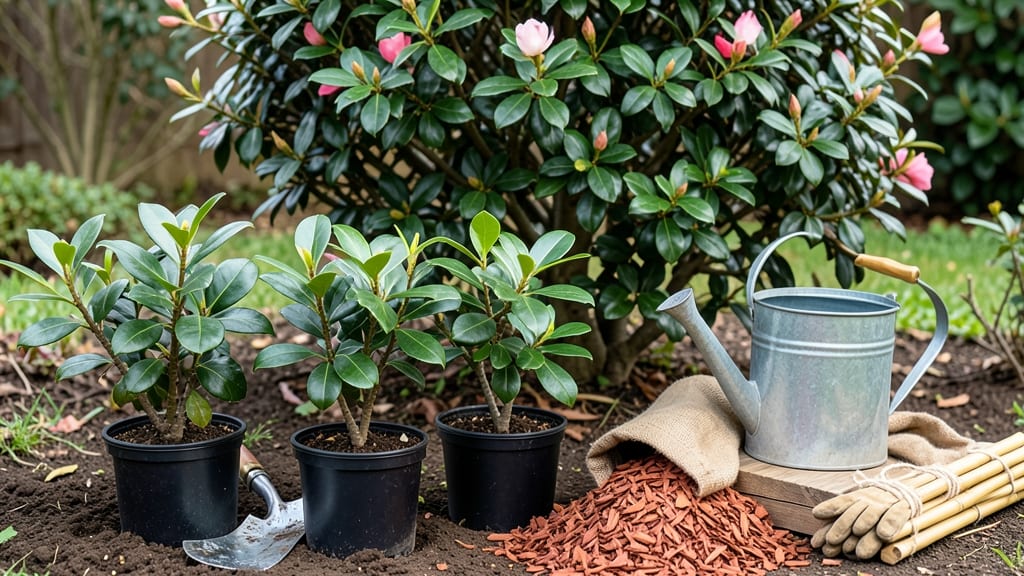
If you're dreaming of stunning camellia blooms 🌸 but live in Zone 9's warm climate, planting at the wrong time could mean struggling plants—or worse, no flowers at all.
Unlike cooler zones, Zone 9's mild winters and intense summers demand a different approach to give your camellias the best shot at thriving.
Most gardeners assume spring is the ideal time to plant, but that's actually one of the worst choices for Zone 9. The key to success lies in cooler months when temperatures are perfect for root establishment.
I'll show you exactly when to plant for maximum blooms and how to avoid common mistakes that sabotage camellias in this unique climate.
From late fall to early spring, there's a sweet spot for planting that aligns with your camellia's natural growth cycle. We'll cover the best months, soil prep secrets, and how to adapt for your specific microclimate—whether you're near the coast or inland.
Let's get your camellias off to the right start.
You'll discover why timing matters more than you think, how to tell when your plant is ready to bloom, and simple care tips to keep your camellias looking their best year after year.
The right approach could mean the difference between a few sad blooms and a spectacular display that lasts for months.
Optimal planting months for camellias in Zone 9: cool season secrets
In Zone 9, where winters are mild and summers scorching, planting camellias at the wrong time can mean the difference between lush blooms and struggling shrubs. Unlike cooler climates, Zone 9 gardeners must focus on cool-season planting to help roots establish before summer heat sets in.
The ideal window? October through December, when soil temperatures hover between 50–65°F—perfect for root growth without stress.
Why this timing? Camellias are semi-tropical plants that thrive in moderate temperatures. Planting in late fall or early winter gives roots time to anchor deeply before the Zone 9 heatwave arrives.
This strategy also avoids the transplant shock that often hits when planting in spring, when temperatures can spike quickly.
Soil temperature is critical—below 50°F, roots grow slowly, while above 65°F, they risk heat stress. Use a soil thermometer to check before planting.
In coastal Zone 9 (like Southern California), you might extend planting into January, but inland areas should aim for November to avoid early heat.
| Month | Soil Temp (°F) | Why It Works | Zone 9 Adaptation |
|---|---|---|---|
| October | 55–65°F | Roots establish before summer heat | Best for inland areas |
| November | 50–60°F | Ideal for root growth | Universal for all Zone 9 |
| December | 45–55°F | Slow growth, but safe | Coastal areas only |
| January | 40–50°F | Risk of cold damage | Avoid inland; coastal OK |
🌱 Pro Tip: Mulch heavily after planting to retain moisture and regulate soil temp.
If you’re planting bare-root camellias, soak the roots for 2–4 hours before planting to rehydrate them. For container-grown plants, water deeply the day before transplanting to reduce shock. Both methods help minimize stress during the critical first weeks.
Another Zone 9-specific tip: Choose morning sun locations with afternoon shade to protect leaves from intense summer rays. East-facing spots or areas under dappled shade trees are ideal. Avoid south-facing walls, which can bake roots and cause leaf scorch.
After planting, water deeply once a week for the first month to encourage root spread. Avoid overhead watering, which can promote fungal diseases in the warm, humid Zone 9 climate. Instead, use a soaker hose or drip irrigation to deliver water directly to the root zone.
One common mistake in Zone 9 is over-fertilizing after planting. Camellias are acid-loving plants, but fresh roots can’t handle high nutrient levels. Wait until late winter (February) to apply a balanced acidic fertilizer (like 10-10-10) to support spring blooming.
For container camellias in Zone 9, timing shifts slightly. Plant in late winter (February) to give roots time to adjust before summer. Use well-draining potting mix with peat moss or pine bark to mimic acidic forest soil. Containers dry out faster in Zone 9 heat, so monitor moisture closely.
Remember: Patience is key in Zone 9. Camellias planted in fall may not bloom until their second or third year as they focus on root growth.
But with the right timing, your Zone 9 camellias will reward you with vibrant blooms year-round, from fall sasanquas to spring japonicas. 🌸
Optimal planting months for camellias in Zone 9: cool season secrets
Zone 9’s warm climate makes planting camellias tricky—too early, and they’ll scorch; too late, and they’ll struggle to establish roots before summer. The sweet spot? Late fall to early winter (October–December), when soil temperatures hover between 50–65°F.
This cool-season window lets roots settle without summer heat stress, setting your camellia up for year-round blooms.
Why? Camellias are temperate plants that thrive in cooler weather. In Zone 9, summer heat can shock young roots, while spring planting often leads to transplant shock as temperatures rise.
Fall planting gives roots 3–4 months to establish before the heat peaks, ensuring better survival and vibrant blooms the following season.
| Planting Window | Soil Temp (°F) | Why It Works |
|---|---|---|
| October–November | 55–65°F | Ideal root growth; minimal heat stress. |
| December–January | 50–60°F | Slower growth but safer; avoids summer drought. |
| February (early) | 55–60°F | Risky but possible if soil stays moist. |
Pro tip: Test soil moisture before planting—Zone 9’s dry spells can dehydrate roots quickly. Aim for well-draining, acidic soil (pH 5.5–6.5) and mulch heavily to retain moisture. I’ve seen camellias planted in December thrive while those planted in March wilt under summer sun.
If you’re in coastal Zone 9 (like Southern California), you can push planting to early January—cooler ocean breezes delay heat stress. But inland areas (e.g., Arizona) should stick to October–November to avoid 100°F+ soil by spring.
Remember: Bare-root camellias (sold dormant) can handle fall planting, but container-grown plants need extra care—water deeply before and after transplanting to reduce shock. A root stimulator like mycorrhizal fungi can also boost survival rates in Zone 9’s challenging climate.
Timing isn’t just about months—it’s about microclimates. Shade from nearby trees or a north-facing slope can extend your planting window by 2–4 weeks. Observe your garden’s heat patterns and adjust accordingly!