
Plants
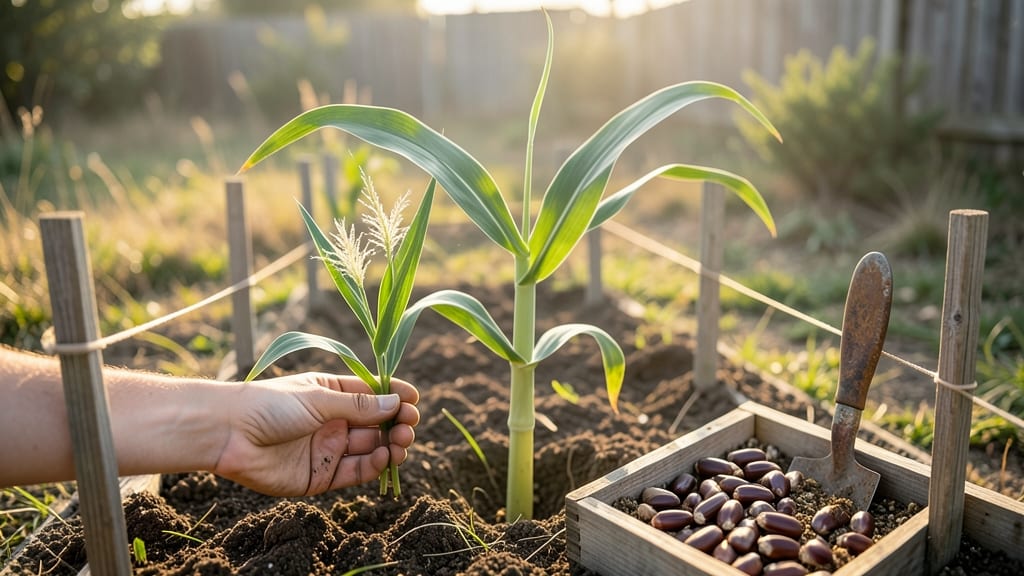
Timing your corn planting just right in North Alabama can mean the difference between a garden full of towering 🌽 stalks and a season of disappointment.
With the region's unpredictable spring weather and quick shift to summer heat, getting those seeds in the ground at the perfect moment is critical for success.
Most gardeners here know the general rule—wait until after the last frost—but there's more to it than just checking a calendar. Soil temperature, local microclimates, and even which variety of corn you're growing all play a role in determining the ideal planting window.
I'll show you exactly when to plant for maximum yield, whether you're growing sweet corn for the table or field corn for livestock.
What happens when you plant too early? Your seedlings might get fried by a late frost. Plant too late, and your corn could struggle to mature before the heat of summer sets in.
The good news is that with the right knowledge, you can avoid these common pitfalls and set your corn up for a thriving season.
In this guide, I'll break down the science behind corn planting in Zone 7a, share specific dates for different varieties, and give you practical tips to ensure your corn gets the best possible start. Let's get those seeds in the ground at the perfect time!
North Alabama heat zones & best corn planting dates by county
North Alabama’s USDA Zone 7a climate means corn thrives when planted after the last spring frost, typically around mid-April. However, microclimates across counties like Huntsville, Decatur, and Scottsboro can shift ideal planting windows by 2-3 weeks.
Understanding your local heat zone is key to avoiding frost damage or heat stress.
For example, Huntsville’s higher elevation often experiences cooler nights, while Scottsboro’s lower elevation warms faster. These differences impact when to plant early-maturing varieties (90 days) versus late-maturing types (120+ days). Let’s break it down by county to help you time your planting perfectly.
🌽 PRO TIP: Use a soil thermometer—corn seeds need soil temps of 60°F+ to germinate. If your soil is cooler, wait 1-2 weeks or use black plastic mulch to warm it faster.
| County | USDA Zone | Last Frost (Avg.) | Best Planting Window | Harvest Window |
|---|---|---|---|---|
| Huntsville | 7a | April 15-20 | Late April to early May | Late July to early September |
| Decatur | 7b | April 10-15 | Early April (with frost cloth) or late April | Early July to mid-September |
| Scottsboro | 7a | April 5-10 | Mid-April to late April | Late June to early October |
| Florence | 7b | April 10-15 | Late March (with row covers) or early April | Late June to mid-September |
| Cullman | 7a | April 20-25 | Early May | Late August to early October |
🌡️ Key: Adjust dates 1-2 weeks earlier for early varieties or later for late varieties.
If you’re in a higher-elevation area like Cullman, planting in early May reduces frost risk. Meanwhile, lower-elevation zones like Scottsboro can safely plant as early as mid-April. Always check your local Alabama Cooperative Extension office for updates, as frost dates can vary yearly.
⚠️ WARNING: Planting too early risks frost damage to young seedlings, while planting too late may expose corn to summer heat stress before harvest. Aim for 60-70 days of warm weather after planting for optimal ear development.
For container growing, start seeds indoors 2-3 weeks before your last frost date. Use biodegradable pots to transplant seedlings directly into the garden when soil warms to 60°F+. This extends your planting window and reduces transplant shock.
Once planted, monitor soil moisture closely. Corn needs 1-2 inches of water weekly, especially during tasseling (flowering). Use drip irrigation to keep foliage dry and prevent fungal diseases like gray leaf spot.
Finally, consider succession planting every 2 weeks for a continuous harvest. Plant early varieties first, followed by mid-season types, and finish with late-maturing varieties in early June. This strategy maximizes your garden’s productivity and ensures fresh corn all summer long.
🌱 Ready to plant? Grab your soil thermometer, mark your calendar for your county’s ideal window, and get those seeds in the ground before the weather shifts!
How to adjust planting dates for early vs. late varieties of corn
Choosing the right corn variety for North Alabama depends on your planting timeline and frost risk. Early varieties mature in 90 days, while late varieties take 120+ days. Since North Alabama’s growing season spans 180 frost-free days, timing is critical to avoid heat stress or early frost damage. Early varieties like Silver Queen or Golden Bantam are perfect for late April to early May plantings. These mature quickly, reducing the risk of fall frost cutting your harvest short. Late varieties such as Peaches and Cream or Ambrosia need June planting to reach maturity before the first frost in mid-October. The trade-off? Early varieties yield smaller ears but avoid heat stress during peak summer. Late varieties produce larger ears but require perfect pollination timing—miss it, and you risk blank ears. My garden’s best results came from planting half early and half late for a staggered harvest.🌽
| Variety Type | Days to Maturity | Best Planting Window | Frost Risk | Yield Notes |
|---|---|---|---|---|
| Early (90 days) | 60-90 | Late April–Early May | Low (harvests before frost) | Smaller ears, avoids heat stress |
| Mid (100 days) | 90-110 | Early May–Mid-May | Moderate (borderline frost risk) | Balanced size, flexible timing |
| Late (120+ days) | 110-130 | June (for late harvests) | High (late-season frost risk) | Largest ears, needs perfect pollination |
🌡️
Use black plastic mulch to warm soil faster if planting early. This trick adds 2-3 weeks to your growing season, letting you plant early varieties in March (with frost cloth). Just remember: corn needs warmth—soil temps below 50°F delay germination. A soil thermometer is worth its weight in gold here.✂️