
Companion Plants
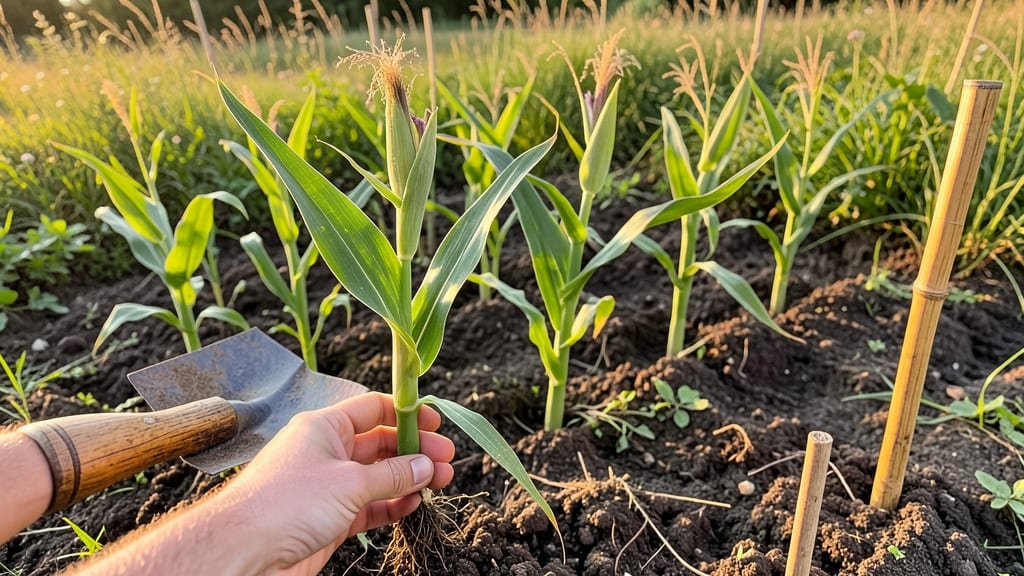
Timing your corn planting in Zone 7 could mean the difference between a thriving 🌽 crop and struggling seedlings—getting it wrong means wasted seeds and missed harvests.
Since corn thrives in warm soil, planting too early can leave seeds sitting cold and dormant, while waiting too long risks summer heat before maturity.
In Zone 7, the ideal window runs from mid-April to early June, but soil temperature is the key factor—not just the calendar.
Most varieties need soil to warm to at least 60°F for consistent germination, which typically happens after your last frost date (around April 15 in most of Zone 7).
This guide breaks down exactly how to time your planting for fast germination, including regional tweaks for Northern vs. Southern sub-zones. You’ll learn when to watch for natural signs (like leaf drop) and how to adjust if your spring runs unusually cold or warm.
Whether you're a first-time gardener or a seasoned grower, these insights will help you maximize your corn's potential. Let’s get those seeds in the ground at the perfect moment for a bountiful harvest.
Ideal soil temperature ranges for planting corn in Zone 7
Corn thrives in warm soil, and getting the timing right in Zone 7 means checking soil temperatures—not just air temps. Unlike cool-season crops, corn needs consistent warmth to germinate quickly and avoid rot.
In my garden, I’ve learned that planting too early (when soil is still chilly) leads to slow sprouts or seeds that simply refuse to break ground.
For Zone 7 gardeners, the sweet spot for planting corn is when soil temperatures reach 60°F or higher. This usually happens 2-4 weeks after your last frost date, but don’t guess—use a soil thermometer for accuracy.
Cold soil below 50°F can delay germination by weeks, leaving your corn vulnerable to pests and fungal diseases.
Here’s the breakdown: 50-59°F is the risk zone—seeds may sprout unevenly or rot. At 60-65°F, germination speeds up dramatically, and roots establish faster. Above 70°F, growth is optimal, but watch for drought stress if rains don’t follow.
| Growth Stage | Ideal Soil Temp (°F) | Zone 7 Timing | What Happens If... |
|---|---|---|---|
| Germination | 60-65°F | Mid-April to early May (after last frost) | Soil <60°F = slow/uneven sprouts |
| Root Development | 65-70°F | Late May to early June | Soil >75°F = faster growth but higher water needs |
| Tasseling/Ear Formation | 70-80°F | June to July | Soil <65°F = stunted ears or poor pollination |
| Harvest Readiness | 65-75°F | Late August to October | Soil >80°F = kernels dry out too fast |
In my experience, Zone 7’s microclimates play a huge role here. Coastal areas (like North Carolina’s Outer Banks) warm up faster than inland Piedmont regions. I once planted corn in early April in my Raleigh garden—only to see seeds rot because the soil stayed below 55°F for weeks.
The lesson? Wait for consistent warmth, not just the calendar.
If you’re unsure about soil temps, try the "barefoot test": Step on your garden soil in the morning. If it feels too cold for your bare feet, it’s not warm enough for corn.
For faster warming, use black plastic mulch or plant in raised beds—both can raise soil temps by 5-10°F.
Pro tip: Corn loves heat, but it also needs moisture. Plant when you’ve had 3 consecutive days above 60°F and the forecast shows steady rains or your irrigation plan. Dry soil above 70°F can cause seeds to dry out before sprouting.
For late-season plantings (July-August), aim for soil temps below 80°F to avoid heat stress. In my Virginia garden, I’ve had success with succession plantings in late June when temps dip slightly—just monitor closely for corn earworm activity.
Remember: Corn is a warm-season crop, not a cool one. Unlike lettuce or peas, it won’t tolerate chilly nights or frost. If a late frost hits after planting, cover seedlings with row fabric until soil warms back up.
🌱
Best planting dates for Zone 7 corn based on microclimates
Zone 7’s climate varies dramatically between regions—from the Piedmont’s cooler springs to the Coastal Plain’s humid heat—so planting dates should shift accordingly. In Northern Zone 7 (e.g., Virginia’s Shenandoah Valley), aim for mid-April to early May when soil warms to 60°F.
Meanwhile, Southern Zone 7 (e.g., Georgia’s Coastal Plain) can start as early as late March, thanks to milder winters and faster soil warming.
For late-spring plantings, don’t wait past early June—corn needs 90–120 frost-free days to mature. If you’re in a microclimate with late frosts (like mountain valleys), opt for fast-maturing varieties (60–70 days to harvest) to avoid fall frosts cutting your season short.
Fall plantings are risky in Zone 7 but possible in warmer microclimates (e.g., near urban heat islands). Try late July plantings only if your area has a long growing season (e.g., Charleston, SC) and use short-season hybrids to harvest before the first frost (October 15 average).
🌽 Zone 7 Corn Planting Timeline by Microclimate
- 🌡️ Northern Zone 7 (Cooler): Plant mid-April to early May after soil hits 60°F.
- ☀️ Southern Zone 7 (Warmer): Start late March to early April for earlier harvests.
- ⏳ Late Spring (Risky): No later than early June to ensure maturity before frost.
- 🍂 Fall (Experimental): Try late July only in warm microclimates with short-season varieties.
- ❄️ Frost Buffer: Always account for 180 frost-free days—check local averages!
Pro tip: Use black plastic mulch to warm soil 5–10°F faster in cooler microclimates, extending your planting window by 1–2 weeks. This trick is especially useful for Northern Zone 7 gardeners racing against spring’s slow soil warming.
If you’re unsure about your microclimate, plant a test row 2 weeks early and monitor germination. If seeds sprout within 7–10 days, your soil is ready for the main planting. If not, wait another week—corn won’t forgive cold, wet soil!
Remember, corn thrives on consistency, so avoid staggered plantings unless you’re aiming for a prolonged harvest. For most Zone 7 gardeners, one well-timed planting in late April to early May** yields the best results.