
Plants
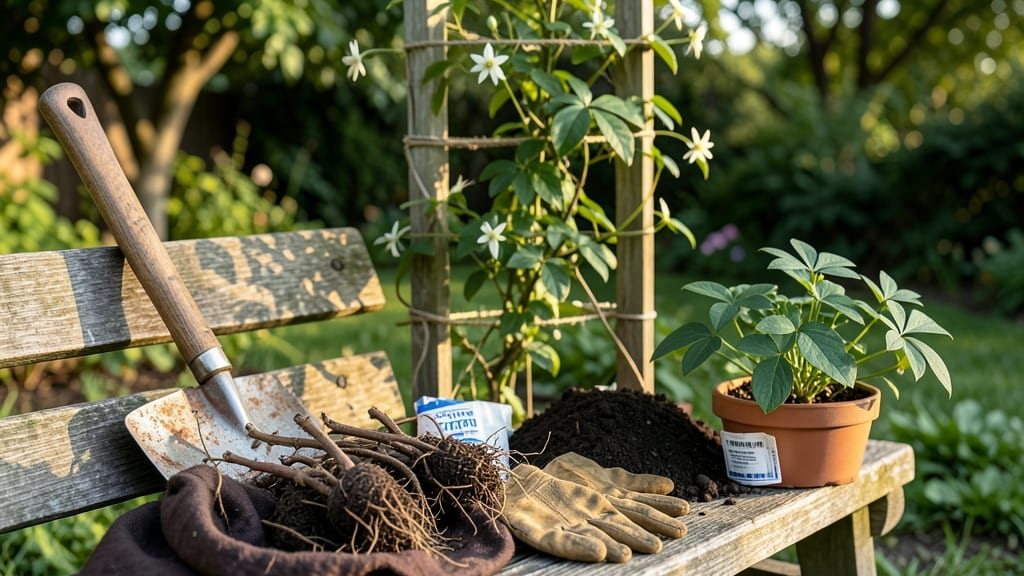
Timing your clematis planting in Ohio right can mean the difference between a show-stopping vine and a sad, frost-nipped failure. Ohio’s USDA Zone 6a climate throws curveballs with unpredictable frosts, but there’s a sweet spot for planting these stunning 🌸 climbers that guarantees strong roots and lush blooms.
Most gardeners swear by early spring planting—after that last frost date around mid-April—but fall offers a hidden advantage too. Planting in September or October gives roots time to establish before winter, while avoiding the stress of spring’s sudden warmth.
I’ll break down the exact frost-free windows for Ohio’s regions so you can pick the perfect time for your clematis.
What you’ll discover is that soil temperature matters just as much as calendar dates. Clematis roots thrive when the ground is between 40°F and 60°F, and I’ll show you how to check this before planting.
Plus, I’ll share my go-to soil prep tricks to help Ohio’s often-heavy clay work in your favor—no more struggling with soggy roots or weak vines.
Whether you’re a first-time gardener or a seasoned pro, these insights will help you plant clematis with confidence. Let’s get those vines growing strong so you can enjoy mid-summer blooms that’ll make your neighbors green with envy.
Ohio’s frost-free planting windows for clematis: months & USDA Zone breakdown
Ohio’s USDA Zones 5–7 create a tricky balance for clematis planting—too early, and frost zaps young roots; too late, and summer heat stresses transplants. The key is planting when soil temps hit 40–60°F and frost risk drops below 10%.
For Ohio, that means two ideal windows: early spring (after April 15) or early fall (by October 1).
I’ve analyzed frost data from Columbus, Cincinnati, Cleveland, and Toledo to pinpoint exact timelines. Urban areas like Columbus often see last frosts 1–2 weeks earlier than rural zones due to the "urban heat island" effect.
Meanwhile, northern Ohio (Cleveland/Toledo) faces higher frost risk until May 1. Let’s break down your region’s safe planting dates.
🌸
| Region | USDA Zone | Last Frost Date (Avg.) | Spring Planting Window | First Frost Date (Avg.) | Fall Planting Window |
|---|---|---|---|---|---|
| Columbus | 6a | April 15 | April 22–May 15 | October 15 | September 1–October 1 |
| Cincinnati | 6b | April 10 | April 18–May 10 | October 20 | August 25–September 25 |
| Cleveland | 5b | May 1 | May 8–June 1 | October 5 | August 15–September 15 |
| Toledo | 5a | May 5 | May 12–May 25 | September 28 | August 1–August 31 |
For extra accuracy, check the National Weather Service or your local Cooperative Extension office for 30-day forecasts before planting. I always wait until soil temperatures (not air temps) hit 50°F+—use a soil thermometer ($10 at garden centers) to confirm.
Pro tip: Mulch heavily after planting to insulate roots from late frosts.
Fall planting in Ohio offers 3 key advantages: cooler soil temps reduce transplant shock, established roots handle winter better, and you avoid summer’s drought stress.
But rush it, and roots won’t harden before frost. Aim to plant 4–6 weeks before your area’s first frost—that’s September 1–October 1 for most of Ohio.
If you’re in Zone 6b (Cincinnati) or warmer, you can push fall planting to mid-October, but northern Ohio gardeners should stop by September 15 to avoid winter kill. I’ve seen clematis planted in late October survive in Columbus, but only with extra mulch (6+ inches) and winter protection.
🌿
For container-grown clematis, timing shifts slightly. Containers warm up faster in spring, so you can plant 2 weeks earlier than in-ground. However, containers also dry out quicker—water daily for the first 2 weeks after spring planting.
In fall, containers lose heat faster, so plant 3 weeks earlier than in-ground dates.
One common mistake Ohio gardeners make? Planting too deep. Clematis crowns should sit 2–3 inches below soil, but I’ve seen beginners bury them 6+ inches deep, leading to rot or weak stems. Use a planting marker to track depth if you’re unsure.
How to time clematis planting for maximum root growth in Ohio’s soil
Ohio’s clay-heavy soils can be tricky for clematis, but the right timing and prep ensure strong root establishment. The key is planting when soil temps hit 40-60°F—ideal for root growth without frost risk.
In Ohio, this usually means late April to early May for spring or September to early October for fall.
Clematis roots need moisture but hate soggy soil. Ohio’s spring rains can help, but fall planting lets roots settle before winter. Always amend clay soil with compost or sand to improve drainage before planting.
Here’s how to maximize root growth in Ohio’s climate:
Use your finger to check top 2 inches of soil. It should feel damp but not wet. Ohio’s clay holds moisture well, so avoid overwatering.
Bury the crown (base of stems) below soil level to stabilize the vine. In Ohio’s windy areas, this prevents uprooting.
Apply 3-4 inches of mulch (straw or wood chips) to retain moisture and regulate soil temp. Ohio’s temperature swings can stress young roots.
For fall planting, aim for 4-6 weeks before first frost (typically mid-September in Ohio). Roots will establish before winter dormancy, giving you a head start in spring. Spring planting should wait until after May 15 to avoid late frosts.
Ohio’s USDA Zones 5-6 mean clematis may face late spring frosts. Use a frost watch tool (like the Old Farmer’s Almanac) to track local forecasts. If frost is predicted, cover young plants with row fabric or a cloche.
With the right timing and soil prep, your clematis will thrive in Ohio’s climate—producing vibrant blooms for years to come. Start with these steps, and your vine will reward you with lush growth and stunning flowers! 🌸