
Plants
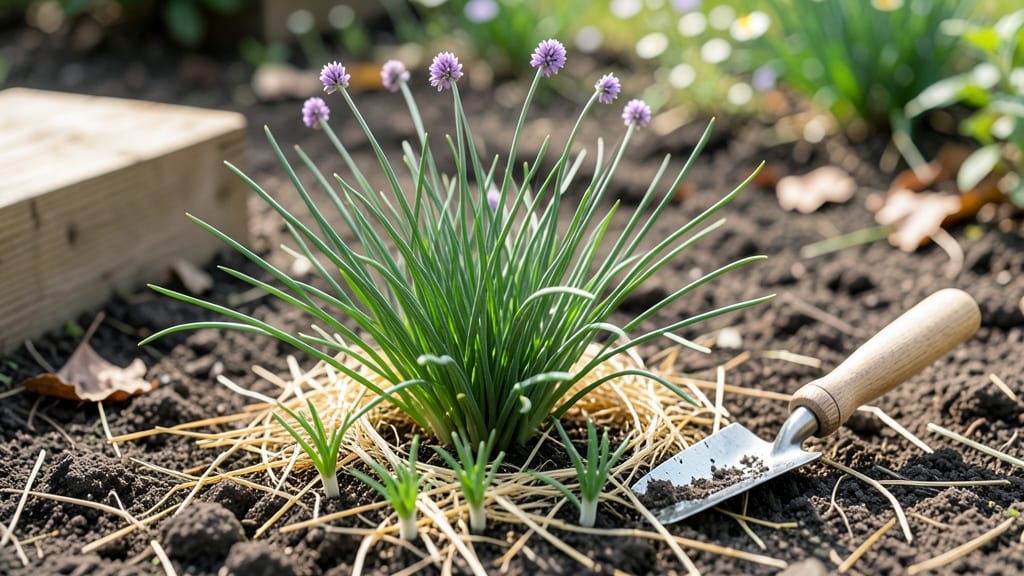
If you’ve ever watched your chives bolt into flower before you could even snip a single stalk, you know when to plant chives in Texas makes all the difference.
This hardy herb thrives in Zone 8a-10b, but Texas’ brutal summers and unpredictable winters demand precision timing—especially if you want fast growth and zero wasted effort.
Planting in the right season isn’t just about avoiding bolting; it’s about unlocking chives’ full potential. Whether you’re sowing seeds in containers or tucking them into garden beds, the best months hinge on your region—North Texas’ cooler winters vs. South Texas’ year-round warmth.
Get this wrong, and you’ll spend spring chasing sparse, sad plants instead of a kitchen stocked with fresh, snippable greens.
I’ve tested the ideal windows over years of Texas gardening, and the secrets to lush, productive chives boil down to timing, soil prep, and a few heat-smart tricks.
From fall’s cooler starts to spring’s second chance, I’ll break down exactly when to plant—plus how to keep your chives thriving through summer’s worst without a single bolt in sight.
Ready to grow chives that grow fast and stay flavorful? Let’s dive into the calendar, soil tips, and microclimate hacks that’ll turn your Texas garden into a chive powerhouse—no guesswork required.
Best months to plant chives in Texas (by region & climate Zone)
Texas’ diverse climate—from North Texas’ chilly winters to South Texas’ year-round heat—means chive planting windows vary wildly. In USDA Zones 7a-8b (North/Central Texas), aim for fall (September-October) or early spring (February-March) to avoid winter dieback or summer bolting.
Meanwhile, South Texas (Zones 9a-10b) gardeners can plant year-round, with peak success in late summer (August) or winter (January-February).
Why the difference? Chives hate heat stress—temperatures above 90°F (32°C) trigger bolting (flowering), ruining their mild onion flavor. Fall planting gives roots time to establish before winter, while spring planting risks early bolting if summer arrives too soon. South Texas’ mild winters let chives grow almost year-round with minimal stress.
Here’s the golden rule: Plant chives 6-8 weeks before your average first frost (e.g., October 15 in Dallas, November 1 in San Antonio). For container growing, adjust timing by 2-3 weeks earlier—containers heat up faster and dry out quicker.
| Region | USDA Zone | Best Planting Months | Avoid Planting | Key Tip |
|---|---|---|---|---|
| North Texas (Dallas, Fort Worth) | 7a-8b | Sep-Oct (fall) or Feb-Mar (spring) | May-July (heat stress) | Mulch heavily in winter |
| Central Texas (Austin, San Antonio) | 8a-9a | Aug-Sep (fall) or Jan-Feb (winter) | June-Aug (extreme heat) | Use shade cloth in summer |
| South Texas (Houston, Corpus Christi) | 9a-10b | Year-round (best: Aug or Jan) | None (adjust care) | Water deeply 2x/week |
| Containers (Anywhere) | 7a-10b | 2-3 weeks earlier than ground | Never let soil dry out | Use fast-draining mix |
For North Texas gardeners, September planting is ideal—chives establish roots before winter, then resume growth in March.
If you miss fall, February planting works, but avoid March unless you’re in a shaded spot—summer heat arrives fast. Central Texas’ longer growing season lets you plant twice a year: August for fall harvests and January for spring blooms.
In South Texas, heat tolerance is key. Plant garlic chives (more heat-resistant) in August for winter harvests, or onion chives in January for spring growth. Mulch with straw to retain moisture—Texas summers can dry out soil in hours.
Pro tip: Harvest chives aggressively in summer to encourage new growth and prevent bolting.
Microclimates matter! Urban areas (like Downtown Austin) are 5-10°F hotter than rural zones, so plant chives near reflective surfaces (like light-colored walls) to reduce heat stress. East-facing beds get morning sun without midday scorching, perfect for extended harvests.
One common mistake is planting chives too late in spring. By April in North Texas, soil temps can exceed 80°F (27°C), shocking young plants. Test soil temperature with a thermometer—ideal planting temp is 60-70°F (15-21°C).
If it’s hotter, wait 2-3 weeks or use shade cloth.
For year-round chives, successive planting is your best friend. In North Texas, sow new seeds every
Best months to plant chives in Texas (by region & climate Zone)
Texas’ diverse climate zones (7a-10b) mean chives thrive year-round, but timing depends on your region. North Texas (Zones 7b-8a) faces harsher winters, while South Texas (Zones 9a-10b) enjoys milder winters and brutal summers. Central Texas (Zones 8a-9a) balances both extremes.
Planting in fall or early spring avoids bolting and ensures robust growth.
For North Texas gardeners, aim for September-October (fall) or February-March (spring) to beat frost risks. South Texas growers can plant year-round, but August-September (late summer) and January-February (winter) are ideal. Central Texas follows a hybrid approach: fall (September-October) and early spring (February-March) for best results.
Fall planting (6-8 weeks before first frost) gives chives time to establish roots before winter dormancy. Spring planting (2-3 weeks before last frost) ensures they mature before summer’s heat. North Texas gardeners should prioritize fall to avoid winter dieback, while South Texas can experiment with year-round plantings using shade cloth during peak summer.
Chives are perennial in Texas, meaning they’ll return yearly if planted correctly. Direct sow seeds or transplant seedlings ½ inch deep in well-draining soil with pH 6.0-7.0. Space plants 6-12 inches apart to allow airflow and prevent fungal diseases like downy mildew, common in Texas’ humid summers.
For container growing, use pots at least 6 inches deep with drainage holes. South-facing windows or partial shade in summer work best. Mulch with straw to retain moisture and regulate soil temperature. In North Texas, add extra mulch in December to insulate roots during cold snaps.
Remember: chives bolt (flower prematurely) when stressed—whether by heat, drought, or poor soil. Consistent moisture and light feeding keep them lush. With the right timing, you’ll enjoy fresh chives from spring to fall, even in Texas’ extreme climate! 🌱