
Plants
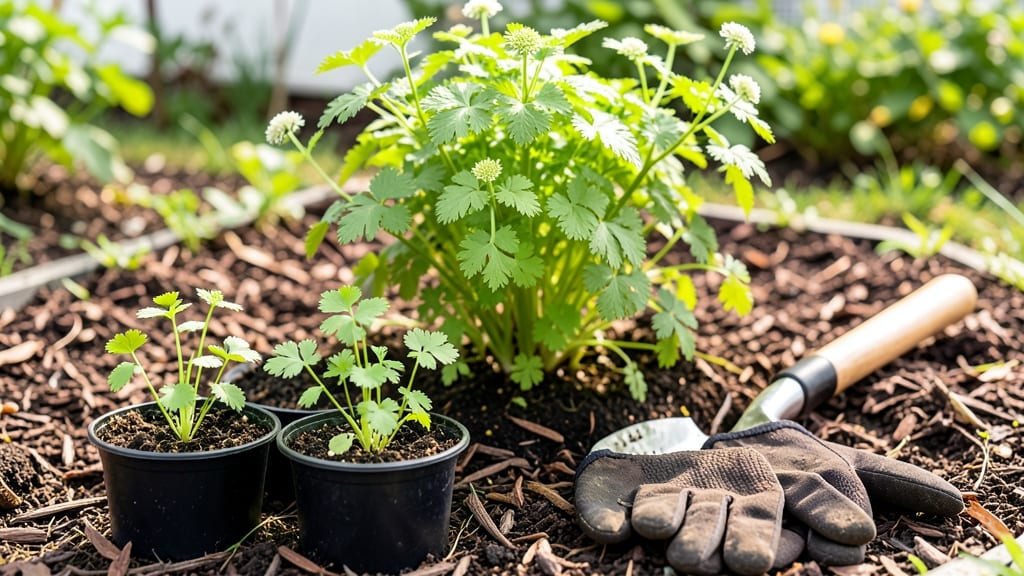
Planting cilantro in Arizona at the wrong time means bitter leaves and wasted effort—but get the timing right, and you’ll enjoy fresh, flavorful harvests through the winter months. The key is avoiding the brutal summer heat that triggers bolting, turning your cilantro into a seed-strewn disappointment before it even matures.
With Arizona’s 9b climate, your best bets are two distinct planting windows: late summer for fall harvests and early spring for winter crops. I’ll break down exactly when to start seeds, how to prep your soil, and why spacing matters to keep your 🌿 cilantro thriving longer.
No more guessing—just proven strategies for Arizona gardeners.
Fall planting after Labor Day gives you 60 days of cool-season growth before temperatures rise again, while February starts set you up for spring harvests. Both windows avoid the heat stress that causes cilantro to bolt prematurely.
Let’s dive into the exact schedule and tips to maximize your herb garden’s potential.
Whether you’re a first-time gardener or a seasoned green thumb, these insights will help you grow cilantro that stays fresh, flavorful, and ready to harvest. Ready to transform your kitchen with homegrown herbs all season long?
Arizona’s ideal cilantro planting windows: fall & winter timing explained
Arizona’s two distinct cilantro planting seasons—fall and winter—are your secret weapons against bolting. The key is avoiding soil temperatures above 80°F, which triggers premature flowering.
In USDA Zone 9b, your best bets are late summer through early winter, with precise timing that varies by region.
For Phoenix and Tucson gardeners, aim for September 15 to October 15 to catch the cooling trend before winter sets in. Meanwhile, Flagstaff’s higher elevation (Zone 7a) allows planting as late as October 30 before frost risk appears.
These windows align with day-length changes that naturally slow cilantro’s growth cycle.
Here’s the critical temperature threshold you must track: cilantro bolts when soil temps exceed 75°F for 3+ consecutive days. In Arizona’s desert climates, this happens daily by June—so summer planting is a gamble unless you use shade cloth or container growing with afternoon shade.
| Planting Window | Best For | Soil Temp | Harvest Window |
|---|---|---|---|
| September 15–October 15 | Phoenix/Tucson | 65–75°F | October–December |
| October 1–November 15 | Flagstaff/Sedona | 55–68°F | November–January |
| February 15–March 15 | Statewide | 50–65°F | March–May |
| ⚠️ Avoid planting after March 31—bolting risk spikes with rising temps! | |||
Your second planting window opens in February for a spring harvest before summer heat returns. This is ideal for container growing on patios or balconies, where you can move pots to shadier spots as temperatures climb.
Just remember: February 15 is your deadline—after that, even high-elevation areas like Prescott hit 70°F soil temps too quickly.
For succession planting, sow seeds every 2–3 weeks within your chosen window. This staggered approach ensures a continuous harvest for 6–8 weeks.
For example, if you plant September 15, October 1, and October 15, you’ll have fresh cilantro from October through December—just as Arizona’s holiday cooking season begins.
Pro tip: Use a soil thermometer to confirm temps before planting. Bury it 2 inches deep (cilantro’s root zone) and wait until readings stay below 75°F for 5+ days. This simple tool prevents wasted seed packets and bolting disasters.
Arizona’s microclimates create opportunities for year-round cilantro if you’re flexible. In higher elevations like Flagstaff, you can even try a late summer planting (August 1–15) under 50% shade cloth. Just monitor for aphids, which thrive in cooler temps and stress cilantro.
Finally, mulch heavily with straw or wood chips to stabilize soil temps. A 3-inch mulch layer can keep roots 10°F cooler during heat spikes, buying you extra days of harvest. Pair this with drip irrigation timed for early morning to maintain consistent moisture—the #1 bolting trigger.
With these region-specific windows and temperature safeguards, you’ll enjoy sweet, non-bitter cilantro straight from your Arizona garden—no bitter surprises or seed pods in sight! 🌿
Arizona’s ideal cilantro planting windows: fall & winter timing explained
Arizona’s two distinct cilantro planting windows—fall and winter—are your secret to avoiding the dreaded bolting that turns your herb into a bitter, seed-filled disappointment.
The key? Planting when soil temperatures drop below 75°F, which triggers slower growth and delays the flowering reflex cilantro has to hot weather.
In Phoenix and Tucson, aim for late September through October for fall crops, while Flagstaff’s cooler climate can handle plantings as early as mid-August. Winter plantings should start in February to give your cilantro a head start before Arizona’s unpredictable spring heat arrives.
| Planting Window | Best Months | Soil Temp | Harvest Window | Notes |
|---|---|---|---|---|
| Fall Planting | Late Sept–Oct | 60–75°F | Oct–Dec | Best for winter harvests; avoid after Oct 15 |
| Winter Planting | Feb–March | 55–65°F | March–April | Escape spring heat; use shade cloth |
| Avoid | May–Aug | Above 80°F | Bolting guaranteed | Cilantro hates heat; seeds form within weeks |
For Phoenix and Tucson gardeners, the Labor Day weekend marks your last chance to direct-sow cilantro for a fall harvest. After that, soil temperatures creep up, and your plants will bolt faster than you can say "salsa."
In higher elevations like Flagstaff, you’ve got a 2-week grace period—plant by mid-August to enjoy fresh cilantro through November.
Pro tip: Use a soil thermometer to confirm temperatures. Cilantro thrives when soil stays between 60–75°F. If your readings hit 80°F or above, your cilantro will bolt within 10–14 days, no matter how much you water it.
Extend your harvest by succession planting every 2 weeks in fall (Sept–Nov) and winter (Feb–March). This staggered approach ensures you always have fresh leaves while older plants bolt. Just remember: never plant cilantro after March in low desert areas—it’s a one-way ticket to bolting city.
One more critical note: Arizona’s microclimates matter. A Tucson backyard might hit 90°F soil temps by October, while a Flagstaff garden could still be 65°F. Check your local Cooperative Extension Service for hyper-local advice, or use a shade cloth to buy time if you’re pushing the limits.