
Plants
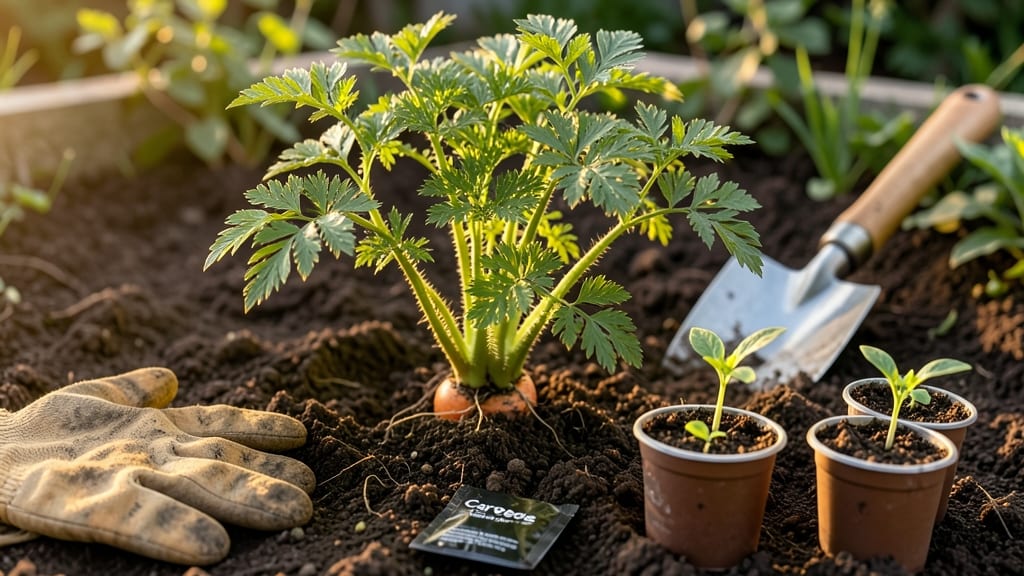
Timing your fall carrot planting just right could make all the difference between a harvest of sweet, crisp 🥕 and tough, bitter roots.
If you're in USDA Zone 6a, the window to plant is narrow—4-6 weeks before your first frost—meaning you'll want to get seeds in the ground by mid-September at the latest.
Why does timing matter so much? Carrots need 6-8 weeks to mature, and planting too late risks exposing them to early frost or pests before they're ready.
But don't worry—this guide will help you pinpoint the exact window for your location, so you can avoid common mistakes and maximize your yield.
We'll also cover how to prepare your soil for cooler temperatures and which varieties thrive in fall conditions. Whether you're a beginner or a seasoned gardener, these tips will ensure your carrots grow strong and sweet, even as the weather turns chilly.
Ready to dig in? Let's break down the best strategies for planting carrots in the fall so you can enjoy a bountiful harvest come October or November.
Fall carrot planting calendar: exact weeks before frost by USDA Zone
Planting carrots in the fall is all about timing—specifically, calculating your frost-free window and soil temperature. Carrots need 60-70 days to mature, so you must start seeds 4-6 weeks before your first expected frost.
In USDA Zones 3-8, this typically means late summer to early fall, but exact dates vary wildly. For example, Zone 3 gardeners might plant in early August, while Zone 8 can wait until mid-September.
The key is soil temps between 50-70°F—too cold, and germination stalls; too hot, and seeds rot.
Your last frost date is your anchor. Check your local USDA Zone and count backward. If your first frost hits November 15th (common in Zone 6a), aim to plant by October 1st for a 60-day harvest.
Pro tip: Use a soil thermometer to confirm temps—carrots won’t germinate well below 50°F. In cooler zones (3-5), consider row covers to extend your window by 2-3 weeks.
Here’s the golden rule: Plant your last fall batch 4 weeks before frost. This gives you a harvest buffer if temps drop early. For example, in Zone 7 (first frost: November 1st), your final planting should be by October 1st.
In warmer zones (8+), you can push it to late October, but monitor nighttime temps—carrots tolerate light frosts (28°F) but won’t thrive in deep freezes.
| USDA Zone | First Frost Date | Ideal Planting Window | Soil Temp Requirement | Harvest Window |
|---|---|---|---|---|
| Zone 3 | September 20 | July 15 - August 15 | 50-65°F | Late August - October |
| Zone 4 | October 5 | July 1 - August 20 | 50-68°F | Late August - November |
| Zone 5 | October 15 | July 15 - August 30 | 50-70°F | Late August - December |
| Zone 6a | November 15 | July 30 - September 15 | 55-70°F | September - December |
| Zone 7 | November 1 | August 1 - September 20 | 55-72°F | September - December |
| Zone 8 | November 15 | August 15 - October 1 | 60-75°F | October - December |
If you’re in a warmer microclimate (e.g., near a heat-retaining wall or in a low-lying area), you might push planting to early October. But watch for soil moisture—dry fall soil can cause woody carrots. In Zone 3-5, prioritize early
How to extend your carrot harvest through winter (without freezing)
Fall carrots can thrive well into winter with the right strategies—especially if you choose cold-hardy varieties like 'Danvers' or 'Nantes'. These varieties tolerate light frosts (28-32°F) and even improve in flavor after a light freeze.
The key? Mulching and protective covers to shield roots from harsh cold while letting them mature.
Start by selecting varieties labeled for fall/winter harvest. These types grow slower but develop sweeter roots in cooler temps. Plant them 4-6 weeks before your first frost—this gives them time to establish before winter sets in. For example, in Zone 5, aim for early September plantings.
Once seedlings reach 2-3 inches tall, apply a thick layer of straw mulch (4-6 inches) around the base. This insulates soil, keeping roots 10-15°F warmer than ambient air.
Straw also suppresses weeds and retains moisture during dry spells. For extra protection, add a row cover (floating fabric) when nighttime temps drop below 30°F.
🌱 Key Takeaway: Winter-Proof Your Carrots
- Choose cold-hardy varieties: 'Danvers', 'Nantes', 'Chantenay'
- Mulch heavily: 4-6" straw + row cover for <30°F nights
- Harvest gradually: Pull outer rows first to avoid overcrowding
- Avoid waterlogging: Soil should stay moist but not soggy
Harvesting through winter requires patience. Start by pulling outer rows first to prevent soil compaction from foot traffic. Use a hand fork to gently loosen roots if soil hardens. In Zone 6-7, you can often harvest until December with proper protection.
For deeper freezes (below 20°F), dig up carrots and store them in sand or sawdust in a cool, dark basement.
Companion planting also helps. Interplant carrots with onions or garlic to deter carrot flies, or add leafy greens like spinach to maximize space. Avoid planting near dill or parsley, which attract pests that target carrots. Rotate crops yearly to prevent soil-borne diseases from weakening roots during winter.
If your carrots develop woody or pithy centers by late fall, it’s a sign they’ve matured too long. This happens when roots grow beyond their ideal size (3/4-1 inch diameter) before frost.
Next season, adjust your planting timeline to ensure a 6-8 week harvest window before winter hardiness kicks in.