
Plants
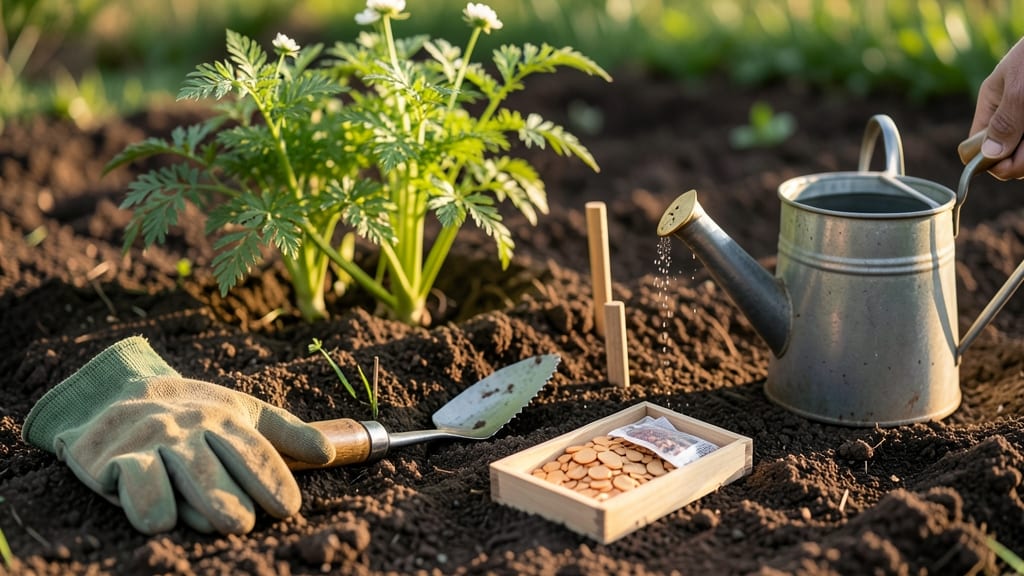
Timing your fall carrot planting just right can mean the difference between sweet, tender 🥕 roots and bitter, woody failures—and the key is knowing exactly when to start.
In USDA Zone 6a, where frost sneaks in by mid-October, getting those seeds in the ground 4-6 weeks before the first frost is your golden ticket to a successful harvest.
Most gardeners assume fall planting is just about avoiding frost, but there’s more to it. The soil temperature plays a critical role: aim for 50-65°F to encourage steady growth without bolting. Too warm, and your carrots might flower before they mature; too cold, and they’ll stall.
If you’ve ever wondered why some fall carrots turn out perfect while others disappoint, it’s likely about timing. I’ll break down the exact soil triggers and regional adjustments so you can plant with confidence—no guesswork, just results.
Ready to grow carrots that are crisp, flavorful, and ready to harvest before winter sets in? Let’s dive into the step-by-step guide that’ll have you pulling perfect roots every fall.
Fall carrot planting calendar: exact soil temperature triggers
Getting your fall carrot planting timing right depends on two key factors: soil temperature and your local frost date. Carrots thrive when soil is between 50°F and 65°F—too warm, and they bolt; too cold, and growth stalls.
Most gardeners in the U.S. can plant 4-6 weeks before first frost, but exact dates vary by USDA zone and regional climate.
For example, in Zone 5, where first frost hits around October 15, aim to plant by mid-September. In warmer Zone 8, you can extend planting until late October since frost arrives later. Always check your local frost dates—they’re the ultimate deadline for fall planting.
Here’s the golden rule: Plant when soil is 50°F+ and you have 70-85 days until first frost. This ensures carrots mature before winter sets in. Use a soil thermometer to confirm temps—don’t guess! Cold soil slows germination, leading to patchy, slow starts.
Regional adjustments matter. In cooler northern climates, start earlier (late August) to avoid short growing seasons. In southern zones, push planting to October or November for winter harvests. Microclimates near water or hills can also shift ideal dates by 1-2 weeks.
| USDA Zone | Ideal Planting Window | Soil Temp (°F) | Notes |
|---|---|---|---|
| Zones 3-4 | Late July to mid-August | 50-55°F | Short season; choose fast varieties |
| Zones 5-6 | Mid-August to early September | 55-60°F | Most reliable window for sweet roots |
| Zones 7-8 | Late August to October | 60-65°F | Can extend into fall for winter harvests |
| Zones 9-10 | September to November | 60-70°F | Plant for winter/spring harvests |
If you’re unsure about your frost dates, use the National Weather Service or local cooperative extension service for data. Pro tip: Succession plant every 2 weeks in late summer for a staggered harvest.
This works especially well in Zones 5-8, where you can squeeze in 2-3 plantings before frost.
Watch for soil warming trends in early fall—some years, late August soil may still be too warm (above 70°F), causing carrots to bolt. Wait until temps drop to 65°F or below for steady growth.
A light frost won’t harm established plants, but hard frosts (below 20°F) will kill them, so time harvests accordingly.
For container gardening, soil cools faster, so plant 1-2 weeks earlier than ground beds. Containers also dry out quicker in fall, so monitor moisture levels closely. If your garden has poor drainage, carrots may split or rot—amend soil with compost to improve structure before planting.
Remember: Carrots need consistent moisture to grow straight and sweet. After planting, keep soil evenly moist (not soggy) until harvest. Mulch with straw to retain warmth and moisture as temperatures drop. This simple step can extend your harvest window by 2-3 weeks in cooler climates.
Finally, avoid planting too late—carrots won’t mature if days shorten too much. If you miss the window, try overwintering in Zones 5-8 by mulching heavily or growing cold-hardy varieties like ‘Nantes’ or ‘Chantenay’. With the right timing, you’ll enjoy homegrown carrots well into winter!
5 Critical factors that determine your fall carrot success
Fall carrots thrive when you align soil temperatures, daylight hours, and frost timing like a precision gardener. I’ve learned the hard way that rushing planting or ignoring these factors leads to stunted growth or woody roots—so let’s break down what truly matters.
First, your soil temperature must sit between 50-65°F for optimal germination. Cooler soils slow sprouting, while warmer soils can cause bolting. Use a soil thermometer to check—this is non-negotiable for fall success.
Next, daylight hours play a sneaky role. Carrots need 10-12 hours of daylight to grow well. In late summer/early fall, days shorten rapidly—plant too late, and your carrots will stretch leggy or develop bitter flavors. Aim for 4-6 weeks before first frost to balance growth and harvest timing.
🌱 Key Takeaway: Fall Carrot Success Factors
| Factor | Ideal Condition | Why It Matters |
|---|---|---|
| Soil Temperature | 50-65°F | Prevents germination delays or bolting |
| Daylight Hours | 10-12 hours | Ensures balanced growth, not leafy tops |
| Frost Window | 4-6 weeks before first frost | Harvest before hard frost for sweetness |
| Soil Looseness | Rock-free, deep | Prevents forked or stunted roots |
| Water Consistency | 1 inch/week | Avoids cracking or bitter flavors |
Don’t overlook soil preparation. Carrots need deep, loose soil free of rocks or clods to grow straight. I once planted in compacted soil and ended up with a batch of crooked carrots—embarrassing at the farmers' market!
Till or loosen the top 12 inches of soil and mix in compost for nutrients.
Finally, frost tolerance varies by variety. Most carrots handle light frosts (28-32°F) but suffer in hard freezes (below 20°F). Use row covers or plant cold-hardy varieties like Danvers or Chantenay if your fall is short. Harvest before the first hard frost to preserve sweetness.
Pro tip: If your growing season is under 90 days, opt for fast-maturing varieties (50-60 days) to ensure harvest before winter sets in. Timing isn’t just about the calendar—it’s about reading your microclimate like a pro.