Plants
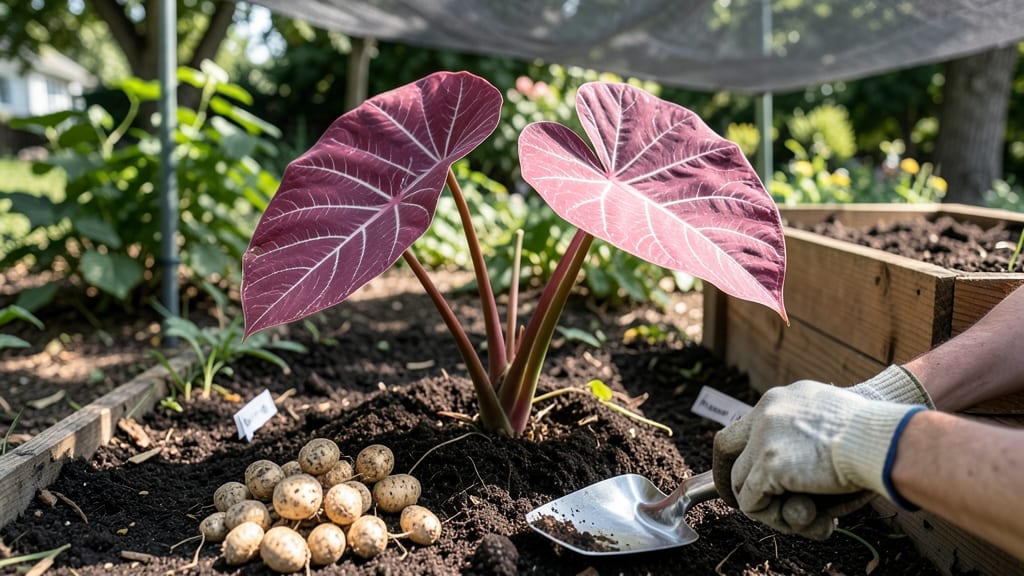
Timing your caladium bulb planting in Florida could mean the difference between lush, vibrant foliage and sad, wilted leaves before they even take root. Unlike northern gardeners who wait for spring's last frost, Florida's frost-free climate lets you start earlier—but rushing too soon can backfire in the heat.
I’ve grown these stunning 🌿 caladiums for years in Florida’s 9a-11 zones, and the March-April window is when I see the best results. Planting too early risks soggy soil from lingering winter rains, while waiting too long means fighting summer’s brutal heat.
Let’s break down the perfect schedule so you avoid common mistakes and get show-stopping foliage all season.
What sets Florida apart is the lack of frost—no waiting for 50°F soil like in cooler climates. Instead, focus on soil warmth (65°F+) and humidity. I’ll share how to prep your garden beds and spot the ideal conditions so your caladiums thrive from day one.
Ready to skip the guesswork? You’ll learn how to align planting with Florida’s microclimates, adjust for humidity, and protect your bulbs from afternoon sun. Let’s get those vibrant leaves growing strong!
Optimal Florida planting windows for caladium bulbs by month
Florida’s frost-free climate means you can grow caladiums year-round, but timing matters to avoid heat stress or early dormancy. Unlike northern climates, Florida’s humidity and warm soil create a unique window for planting these tropical beauties.
The best time to plant caladium bulbs in Florida is March through April, when soil temperatures consistently stay above 65°F.
This schedule aligns with Florida’s microclimates, ensuring your caladiums establish roots before summer’s peak heat. North Florida’s cooler winters may allow for February planting, while South Florida’s extended growing season can accommodate May plantings—but only if you’re prepared for summer’s intensity.
Here’s how Florida’s regions differ:
| Region | Ideal Planting Months | Soil Temp Threshold | Key Consideration |
|---|---|---|---|
| North Florida (USDA 8a-9a) | March - Early April | 65°F+ | Cooler nights; mulch heavily |
| Central Florida (USDA 9b-10a) | Late February - May | 68°F+ | Humidity peaks; ensure airflow |
| South Florida (USDA 10b-11) | March - June | 70°F+ | Year-round growth possible; shade critical |
For container gardening, you can push these windows slightly earlier or later, as pots warm up faster in spring and cool down more quickly in fall. Just ensure your caladium bulbs are planted in well-draining soil to prevent rot during Florida’s humid summers.
If you’re in North Florida and experience an unusually warm February, you can plant as early as mid-February, but monitor soil temperatures closely. A soil thermometer is your best friend—caladiums won’t thrive if planted in cold soil, even if air temperatures are mild.
In South Florida, where frost is rare, you can even stagger plantings from March through June. This extends your display season and ensures continuous foliage interest. However, avoid planting in July or August, when Florida’s intense heat and humidity can stress young plants.
Pro tip: Use black plastic mulch to warm soil faster in cooler months, or shade cloth to protect newly planted bulbs from harsh afternoon sun in summer. These tricks help you fine-tune your planting schedule to Florida’s unpredictable weather patterns.
Remember, caladiums are tropical plants that love warmth but hate soggy feet. The goal is to get them in the ground when soil is warm enough for root growth but before summer’s peak heat stress sets in.
With this schedule, you’ll enjoy vibrant foliage from late spring through fall—just in time for Florida’s most colorful season.
Signs your Florida soil is ready for caladium planting
Caladiums thrive in Florida’s warm, humid climate—but only when planted in soil that meets their tropical needs. Unlike northern climates, Florida’s frost-free growing season means you can plant year-round, but soil conditions dictate success.
Before digging in, check these key indicators to ensure your caladiums get off to a vibrant start.
First, test your soil temperature. Caladium bulbs need soil that’s warmed to at least 65°F (18°C). Use a soil thermometer to check—cool soil slows root growth and invites rot.
In Florida, this typically aligns with mid-March to early April in most regions, but South Florida’s warmer microclimates may allow earlier planting.
Next, assess moisture levels. Caladiums prefer consistently moist (not soggy) soil. Press your finger 1-2 inches deep—if the soil feels dry, it’s not ready. Florida’s summer humidity helps retain moisture, but well-draining soil is critical to prevent bulb rot.
Amend heavy clay with compost or peat moss to improve aeration.
Look for organic matter in your soil. Caladiums love rich, fertile ground. Work in 2-3 inches of compost or aged manure before planting to provide nutrients. Florida’s sandy soils often lack organic material, so this step is especially important for container-grown plants.
Finally, observe your garden’s shade patterns. Caladiums crave partial shade—morning sun with afternoon protection. If your planting spot gets harsh afternoon rays, mulch heavily (3-4 inches) to shield roots and conserve moisture.