
Plants
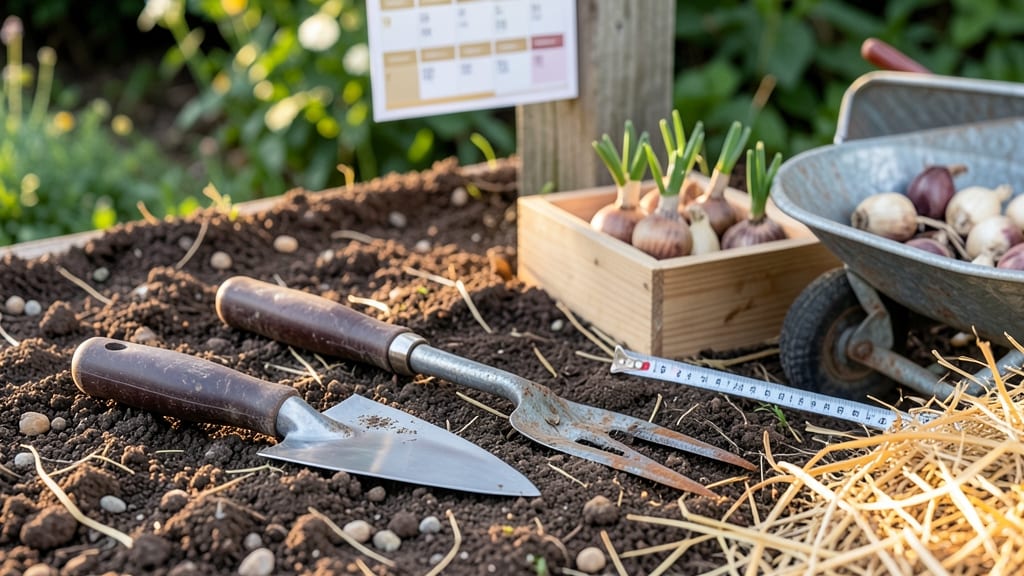
Planting bulbs at the right time in Zone 6 can mean the difference between a stunning spring garden and a sad, frost-killed disappointment.
The key is knowing exactly when to tuck those 🌱 bulbs (General) into the soil—before the ground freezes but not so late that winter catches them off guard.
Most gardeners in Zone 6 (General) swear by fall planting for spring bloomers like tulips and daffodils, but timing matters. Plant too early, and your bulbs might rot; too late, and frost will zap them before they even sprout.
I’ll break down the exact months you should plant each variety—and how to adjust if your winter hits early or runs late.
Whether you’re a first-time gardener or a seasoned pro, getting this right ensures your garden bursts into color year after year. Let’s dive into the perfect planting schedule so you never miss a beat.
From soil prep to frost dates, I’ll cover everything you need to know to plant with confidence. No more guesswork—just zero-frost success for your bulbs.
Zone 6 bulb planting calendar: exact months by flower type
Zone 6 gardeners know that timing is critical when planting bulbs. The last frost date in Zone 6 typically falls around mid-April, while the first frost arrives in mid-October.
This narrow window means you must plant bulbs at the right time to ensure they establish roots before winter sets in—or bloom before spring frost strikes. Most bulbs are planted in fall, but some varieties thrive with early spring planting.
For spring-flowering bulbs like tulips and daffodils, fall planting is non-negotiable. These bulbs need 6-8 weeks in the ground before the soil freezes to develop strong roots.
If you miss the fall window, you can plant them in early spring (March), but blooms may be delayed or less robust. Fall-planted bulbs like crocuses and alliums, however, can handle late planting—even as late as November—because they’re more frost-tolerant.
Here’s your exact planting schedule for Zone 6, broken down by bulb type:
| Bulb Type | Best Planting Time | Depth (inches) | Notes |
|---|---|---|---|
| Tulips | October (Zone 6a) or November (Zone 6b) | 6-8 inches | Plant early for best blooms; avoid late fall planting. |
| Daffodils | October-November | 6-8 inches | More frost-hardy; can handle late fall planting. |
| Crocuses | September-November | 3-4 inches | Early bloomers; plant as late as November in Zone 6. |
| Alliums | October-November | 6-8 inches | Drought-tolerant; plant in well-drained soil. |
| Hyacinths | October (Zone 6a) or November (Zone 6b) | 6 inches | Plant early for strong fragrance; avoid soggy soil. |
If you’re planting spring bulbs like tulips or hyacinths, aim for October in Zone 6a (colder areas) or November in Zone 6b (warmer areas).
For fall-blooming bulbs such as crocuses, you have more flexibility—plant them as late as November to ensure they survive winter. Early spring planting (March) is an option for missed fall plantings, but expect fewer blooms.
Pro tip: Use a soil thermometer to check if the ground has cooled to 60°F before planting. This ensures bulbs won’t rot in warm soil. In Zone 6a (colder), plant earlier (late September-October); in Zone 6b (warmer), wait until October-November.
Adjust for your specific microclimate—urban areas may freeze earlier than rural spots.
For container gardening, plant bulbs in pots by the same timeline but use a well-draining mix with perlite. Containers freeze faster, so move them to a garage or shed if temperatures drop below 20°F for extended periods.
This protects delicate bulbs like tulips from frost heave (when soil freezes and pushes bulbs out of the ground).
Remember, bulb depth matters. Plant most bulbs 3x their height deep—so a 2-inch tulip bulb goes 6 inches underground. Smaller bulbs like crocuses only need 3-4 inches of coverage.
Use a bulb planter or trowel to avoid damaging the bulb during planting. After planting, water deeply to settle the soil and encourage root growth before winter.
Finally, mark your calendar for early spring care. Once snow melts and soil thaws, fertilize with a balanced 10-10-10 mix when green shoots appear. Avoid high-nitrogen fertilizers, which promote foliage at the expense of blooms.
With the right timing, your Zone 6 garden will burst into color from March through June—starting with crocuses in early spring and ending with alliums in late summer.
How to adjust planting time for early vs. late frost years in Zone 6
Zone 6’s unpredictable frost dates can turn your bulb planting into a high-stakes game of chance. While the average first frost hits mid-October, some years see frost as early as September 20th, while others delay until November 10th.
Planning for these extremes ensures your tulips, daffodils, and crocuses survive—and thrive—next spring.
Start by checking your local frost history. Use the USDA Plant Hardiness Zone Map for your exact location (Zone 6a vs. 6b matters!). If you’re in 6a (colder), aim to plant bulbs by October 1st to avoid early freezes.
Gardeners in 6b (warmer) have until mid-November—but don’t wait too long, or your bulbs may rot before winter sets in.
⚠️ Frost Adjustment Warning
If frost arrives earlier than expected, cover newly planted bulbs with straw mulch (4-6 inches) to insulate them. For late frosts in spring, wait until after April 15th to plant spring-flowering bulbs like hyacinths—earlier planting risks frost damage to emerging shoots.
For fall-planted bulbs, prioritize hardier varieties like crocuses and alliums if your frost comes early. These bulbs tolerate cooler soils better than tulips or daffodils. If you’re unsure, use a soil thermometer—plant when soil temps hit 50–60°F at 6 inches deep.
This usually aligns with late October in most of Zone 6.
Spring planting? Wait until the ground thaws and you can work it without compacting the soil. In Zone 6, this is typically mid-March to early April. For late frosts, opt for early-blooming bulbs like snowdrops or winter aconites, which can handle light frosts better than delicate tulips.
Pro tip: Layer your planting by spacing bulbs in two-week intervals. Plant half your tulip bulbs in October and the rest in November. This staggered approach ensures some blooms escape late frosts while others provide continuous color.
Just mark your rows with stakes or flags to avoid confusion next spring!
Finally, keep a planting journal to track your local frost dates and bulb performance. Over time, you’ll refine your timing—because in Zone 6, flexibility is your best friend. 🌱