
Plants
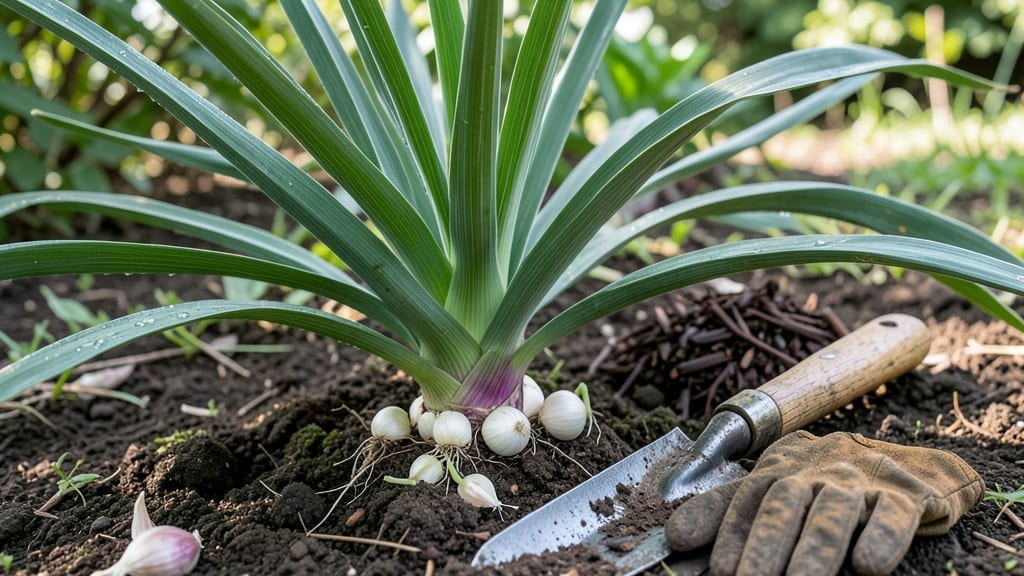
If you've ever wondered when to plant garlic in MN, timing isn't just important—it's the difference between a bumper crop and a wasted effort. Minnesota's cold winters might seem challenging, but with the right approach, you can grow robust 🧄 that thrives in zones 4a to 5a.
The key is planting between mid-October and November, giving your cloves time to root before the ground freezes. This isn't just about avoiding frost—it's about letting the cold harden your garlic for a stronger harvest next summer.
I'll show you exactly how to nail those planting windows and pick the best cold-hardy varieties for your garden.
You might think spring planting works, but Minnesota's short growing season means fall is your best bet. We'll cover soil prep, frost timing, and even the best garlic types for our harsh winters—so you can skip the guesswork and get straight to growing.
Whether you're a seasoned gardener or just starting, these tips will help you grow garlic that's bigger, healthier, and ready to harvest in late June or July. Let's get your Minnesota garden set up for success!
Best planting months for garlic in Minnesota (by hardiness Zone)
Minnesota’s USDA Zones 3-5 demand precise timing for garlic—plant too early, and your crop bolts; too late, and frost kills the roots. The ideal window is 4-6 weeks before the ground freezes, typically mid-October to early November in most of the state.
This cold period is essential for bulb development, as garlic needs vernalization (a chilling process) to form properly.
For Zone 3 (northern MN), aim for late September to mid-October—earlier than southern regions—to account for earlier frosts. In Zone 4-5 (southern MN), you can push planting until early November, but avoid waiting past the first hard frost (usually mid-October).
Spring planting is possible but risky—garlic planted in March or April may produce smaller bulbs due to shorter growing seasons.
| Zone | Best Planting Window | Soil Temp Threshold | Key Consideration |
|---|---|---|---|
| 3 (North MN) | Late September – Mid-October | Below 50°F | Earlier frost dates; use hardneck varieties |
| 4 (Central MN) | Mid-October – Early November | Below 45°F | Balanced frost window; 4-6 weeks before freeze |
| 5 (South MN) | Late October – Early November | Below 40°F | Later frost; softneck options viable |
Soil temperature is your best indicator for planting. Use a soil thermometer to confirm temps are below 50°F—garlic roots won’t establish properly in warmer soil. In Zone 4-5, this often aligns with mid-October, but northern gardeners should plant earlier.
A general rule: plant when day temps average 40-50°F and nights dip below freezing.
Hardneck garlic (best for MN winters) thrives with vernalization, so planting in fall is non-negotiable. Softneck varieties (like Silverskin) can tolerate slightly later plantings but risk smaller bulbs if frozen early.
For hardnecks, aim for October—this ensures scapes (flower stalks) appear in June, signaling bulb maturity.
Spring planting is a last-resort option for MN gardeners. If you miss the fall window, plant as early as March in Zone 5 or April in Zone 3, but expect 50% smaller bulbs.
Use row covers to extend the season if planting late spring. The trade-off? No scapes (hardnecks won’t produce them) and a higher risk of bolting in hot summers.
Pro tip: Plant garlic in raised beds if your yard has poor drainage—MN’s heavy clay soils can suffocate roots. Amend beds with compost and sand to improve aeration.
Mulch with straw (not hay) after planting to insulate bulbs through winter. This 3-inch layer prevents frost heave and keeps soil temps stable.
Watch for first frost dates in your area—Minneapolis typically sees its first hard frost by October 15, while Duluth may freeze by October 1. Use the National Weather Service or local MN State University Extension frost maps to fine-tune your timing.
Planting too close to frost stresses garlic, while planting too early can trigger premature sprouting.
Harvest timing hinges on planting success: fall-planted garlic is ready by late June to July of the following year. Look for lower leaves turning brown and bulbs firming up—this means your 4-6 month chilling period paid off.
Spring-planted garlic may mature 2-3 weeks earlier but lacks the bold flavor of cold-hardened bulbs.
Don’t let MN’s short growing season fool you—with the right timing, you can grow high-quality garlic even in Zone 3. The key? Plant in October, mulch heavily, and harvest in July. Your taste buds (and neighbors) will thank you for those plump, flavorful bulbs! 🧄
Best planting months for garlic in Minnesota (by hardiness Zone)
Minnesota’s USDA Zones 3-5 demand precise timing for garlic—plant too early, and it bolts; too late, and frost stunts growth. The sweet spot is 4-6 weeks before ground freezes, typically mid-October to early November in most of the state. This cold period helps bulbs develop properly before winter dormancy.
For Zone 3 (northern MN), aim for late September to mid-October—earlier than southern regions. In Zone 5 (southern MN), you can extend planting until early November. Always check your local last frost date (usually October 15) to adjust timing.
Spring planting is possible but risky in MN. If you miss fall, plant early spring (March-April) when soil temps reach 40°F, but expect smaller bulbs. Fall-planted garlic yields larger, more flavorful harvests due to winter chilling requirements.
| Zone | Ideal Planting Window | Soil Temp Threshold | Key Consideration |
|---|---|---|---|
| 3 (Northern MN) | Late September - Mid-October | Below 50°F | Frost arrives earliest |
| 4 (Central MN) | Mid-October - Early November | Below 45°F | Balanced frost timing |
| 5 (Southern MN) | Early October - Late November | Below 40°F | Later frost allows flexibility |
Hardneck garlic (like 'Music') thrives in MN’s cold winters, while softneck varieties (like 'Artichoke') struggle. Hardneck types need 60+ days below freezing to form bulbs, making them ideal for MN’s climate.
Plant cloves 2 inches deep, 4 inches apart, with 6 inches between rows for optimal airflow.
After planting, apply 2-3 inches of mulch (straw or leaves) to insulate bulbs. This protects against temperature fluctuations and prevents heaving during freeze-thaw cycles. Remove mulch in early spring once soil thaws to encourage regrowth.
Monitor for early spring sprouting (March-April). If shoots emerge too soon, cover with row fabric to prevent frost damage. Harvest next late June to July when lower leaves yellow—don’t wait too long, or bulbs split!