
Plants
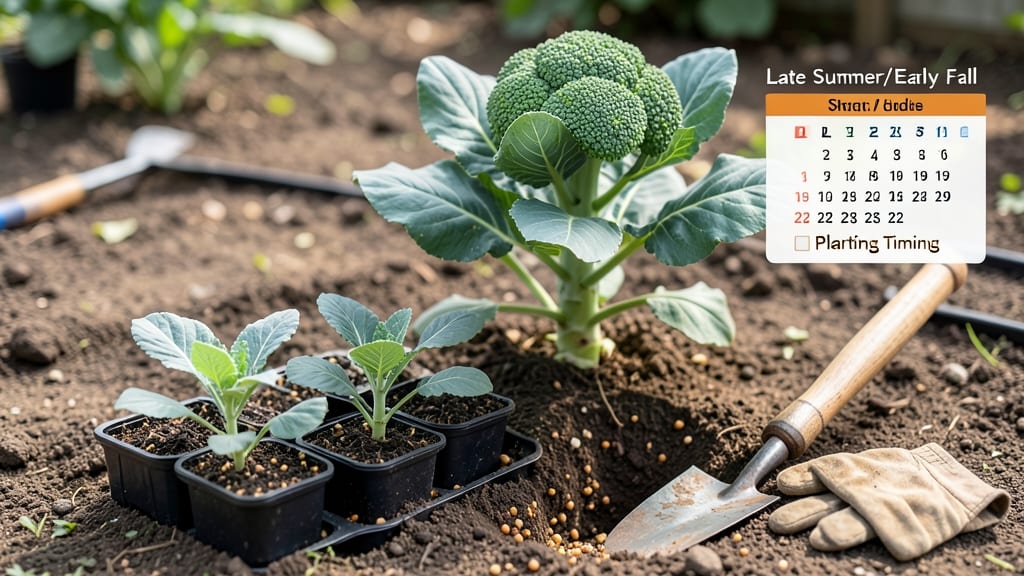
If you’ve ever tried planting broccoli in Zone 9b and watched it bolt before producing a single edible head, you’re not alone. The key to success here isn’t just when you plant—it’s mastering the cool-season window while outsmarting the relentless heat.
Most gardeners in Phoenix or Southern California deserts assume broccoli needs frost to thrive, but that’s not the case. With the right timing—late summer to early spring—you can grow broccoli year-round without bolting.
The trick? Planting when soil temps dip below 80°F and using shade cloth to protect seedlings from sudden heat spikes.
Let me show you the exact month-by-month schedule that works in Zone 9b, plus heat-proof tips like mulching, succession planting, and the best companion plants to keep your broccoli happy until harvest. No more wasted seeds or bitter disappointment—just a steady supply of those vibrant green heads you crave.
By the end, you’ll know not just when to plant broccoli in Zone 9b, but how to extend your growing season so you can harvest fresh 🥦 from October through May—no matter how hot it gets outside.
Optimal planting windows for broccoli in Zone 9b (with heat tolerance tips)
In Zone 9b, broccoli thrives in cool-season windows where temperatures stay below 75°F. The key is planting when your area transitions from summer heat to milder fall/winter conditions.
For most of Southern California, this means late August through early October for fall crops and January through March for spring planting.
Coastal areas like San Diego can extend planting slightly later due to cooler ocean breezes, while inland desert regions (e.g., Palm Springs) should plant earlier to avoid summer heat stress.
Always check your last frost date—though Zone 9b rarely sees frost, heat waves can mimic frost damage by causing bolting.
Broccoli seeds need soil temperatures below 80°F to germinate properly. Use a soil thermometer to monitor conditions—ideal germination temps are 55-75°F. If planting in summer heat, opt for shade cloth or start seeds indoors 4-6 weeks before transplanting.
Here’s your Zone 9b broccoli planting timeline with heat tolerance adjustments:
| Planting Window | Soil Temp | Heat Strategy | Harvest Time |
|---|---|---|---|
| Late August - Early October | 60-75°F | Use shade cloth (30-50%) | November - January |
| January - March | 55-70°F | No shade needed | March - May |
| September (Coastal) | 65-72°F | Drip irrigation at night | October - December |
For inland Zone 9b gardens, prioritize succession planting every 2-3 weeks to stagger harvests. Start with heat-tolerant varieties like 'De Cicco' or 'Waltham 29', which handle 80-85°F better than standard types. These varieties also produce side shoots for extended harvests.
Always amend your soil with compost before planting—Zone 9b soils often lack organic matter. Aim for pH 6.0-7.0 and add aged manure or worm castings to improve fertility. Broccoli is a heavy feeder, so don’t skip this step!
Water deeply after planting to encourage root establishment, then maintain 1-1.5 inches of water weekly. Use drip irrigation or soaker hoses to keep foliage dry and prevent disease. Mulch with straw or wood chips to retain moisture and cool roots during hot days.
Pro tip: Coastal gardeners can push planting into early November thanks to ocean breezes, but inland growers should stop by mid-October to avoid heat stress. Monitor your local weather forecasts for heat waves—even Zone 9b can see unexpected spikes above 90°F.
Finally, rotate your planting locations yearly to prevent soil-borne diseases. Broccoli is part of the Brassicaceae family, so avoid planting it where cabbage, kale, or Brussels sprouts grew the previous year.
With the right timing and care, you’ll enjoy homegrown broccoli from fall through spring in Zone 9b! 🌱
Optimal planting windows for broccoli in Zone 9b (with heat tolerance tips)
In Zone 9b, broccoli thrives when planted during cool-season windows—typically from late August through March. The key is avoiding soil temperatures above 80°F, which triggers bolting (premature flowering). Coastal areas like San Diego can extend planting slightly later than inland desert regions like Phoenix.
For fall/winter harvests, aim to plant 6-8 weeks before first frost—though Zone 9b rarely sees frost, cool nights (below 70°F) signal ideal growing conditions. Start seeds indoors 4-6 weeks before transplanting to give seedlings a head start against heat stress.
| Planting Window | Soil Temp Threshold | Microclimate Notes |
|---|---|---|
| Late August - Early September | 60-75°F | Coastal areas only; inland too hot |
| October - November | 55-70°F | Ideal for all Zone 9b; harvest Dec-March |
| February - March | 50-65°F | Spring planting; harvest April-May |
Use shade cloth (30-50%) during peak summer months if planting early. This lowers soil temps by 10-15°F and prevents bolting. For succession planting, stagger transplants every 2-3 weeks from September through January to ensure continuous harvests.
Inland areas should prioritize morning sun exposure and afternoon shade, while coastal gardens can handle full sun year-round due to cooler maritime breezes. Always test soil pH (6.0-7.0) before planting—broccoli hates alkaline soil.
Pro tip: Mulch heavily with straw or wood chips to maintain even soil temps. This keeps roots 5-10°F cooler than surface temps, which is critical in Zone 9b’s heat spikes.
For heat-resistant varieties, choose 'De Cicco' or 'Waltham 29'—they tolerate up to 85°F better than standard types. Pair these with drip irrigation to avoid wetting leaves, which invites fungal diseases in humid Zone 9b summers.