Plants
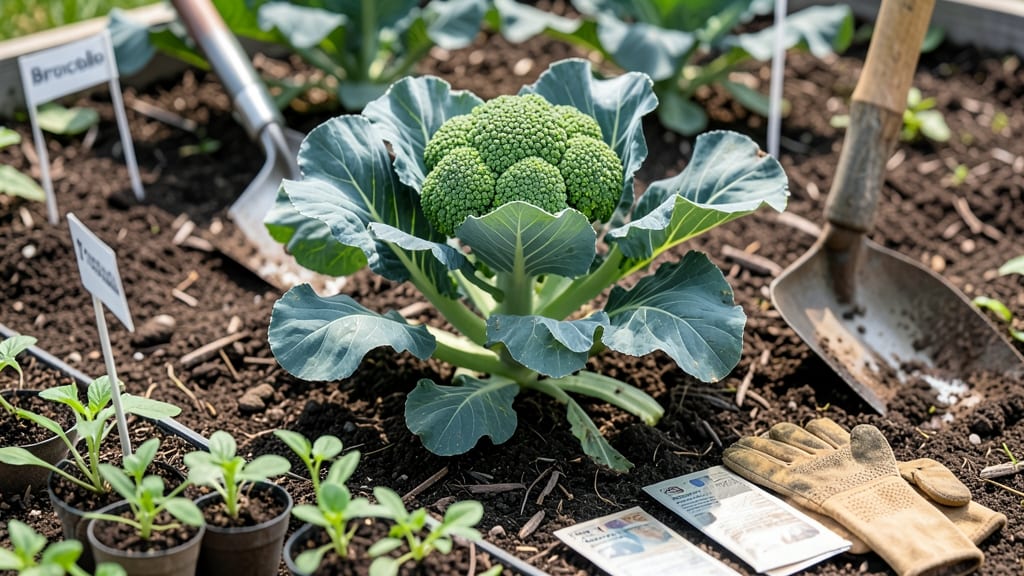
Knowing when to plant broccoli in Massachusetts can mean the difference between a bountiful harvest and wasted effort. With our short growing season and unpredictable frost dates, timing is everything—especially when you want to avoid bitter, bolting plants that never reach their full potential.
Most gardeners in zones 5b-6b swear by two key planting windows: early spring (March-April) and late summer (August). But here's the catch—getting it wrong means either freezing seedlings or watching your plants rush to flower before you can enjoy a single crisp floret.
I'll break down exactly when to start seeds indoors versus transplanting seedlings, so you can sync your planting schedule with Massachusetts' climate quirks.
You'll also discover how to stretch your harvest season using succession planting and cold-hardy varieties like 'Waltham 29'. These tricks help you beat the first frost in October and keep enjoying homegrown 🥦 well into fall.
Let's dive into the frost-date cheat sheet that'll make your broccoli thrive when others fail.
The secret isn't just about dates—it's about understanding soil temperatures, spacing plants properly, and knowing which varieties handle our coastal versus inland microclimates best. By the end, you'll have a foolproof system to grow broccoli that's sweeter, more abundant, and perfectly timed for your Massachusetts garden.
Broccoli planting windows in Massachusetts by frost zones (avoid bolting!)
Massachusetts' cool climate and variable frost dates make timing critical for broccoli success. The state spans USDA zones 5a-6b, with coastal areas (like Cape Cod) warming faster than inland regions (like Worcester). To avoid bolting—when broccoli prematurely flowers—plant when soil temps hit 40°F and stay consistent.
Most gardeners aim for two planting windows: early spring (March-April) and late summer (August). The last average frost date in MA is April 15, but coastal areas can be frost-free by March 20.
Always check your local frost-free date using the National Weather Service or Massachusetts Horticultural Society resources.
Bolting risk spikes when broccoli experiences temperature swings or drought stress. In MA's Zone 5b, spring-planted broccoli needs 60-70 days to mature before summer heat triggers bolting. Fall crops have 80-90 days to harvest before frost.
| Planting Window | Zone 5a (North MA) | Zone 5b (Central MA) | Zone 6a (South MA) |
|---|---|---|---|
| Spring Transplant | April 15-30 | April 1-15 | March 20-April 1 |
| Direct Sow Spring | April 30-May 15 | April 15-30 | April 1-15 |
| Fall Transplant | August 1-15 | August 1-31 | August 15-Sept 15 |
| Direct Sow Fall | July 15-August 1 | July 31-August 15 | August 1-15 |
| Key Soil Temp | 40-45°F | 40-45°F | 40-45°F |
| Bolting Risk | High after June 15 | High after June 1 | High after May 30 |
🌱 Pro Tip: Use row covers to extend spring planting by 2-3 weeks.
For coastal Massachusetts (like Barnstable or New Bedford), warmer microclimates allow earlier planting. Start indoor seeds in late February for transplanting by March 15. Inland areas (like Pittsfield) should wait until April 1 to avoid late frosts.
Always harden off seedlings for 7-10 days before transplanting. Acclimate them to MA's windy conditions and temperature fluctuations by gradually exposing them to outdoor elements. Use shade cloth on sunny days to prevent stress.
In Zone 6a, where summers are warmer, focus on fall planting for the best results. Broccoli thrives in cool weather and can tolerate light frosts—ideal for MA's fall harvests. Aim to plant 80-day varieties by August 15 to harvest before first frost (typically October 15).
Soil preparation is equally critical. MA's clay-heavy soils benefit from compost and organic matter to improve drainage. Test your soil's pH (6.0-7.0) and amend with lime if needed. Broccoli prefers <
Spring vs. fall broccoli: which planting strategy works best in Massachusetts?
Choosing between spring and fall broccoli in Massachusetts depends on your climate zone and goals. Coastal areas like Cape Cod have milder winters, while inland zones (5a-6b) face earlier frosts. Both seasons offer rewards—spring gives early harvests, while fall extends yields into crisp autumn days.
For spring planting, start seeds indoors by March 1 (6-8 weeks before last frost) or transplant hardened seedlings after April 15. This timing aligns with soil warming to 45°F+, ideal for germination. However, spring crops face cabbage worm pressure and may bolt if summer heat arrives early.
Fall planting, however, is my top recommendation for Massachusetts. Sow seeds directly August 1–15 for a late-October harvest before hard frosts. Fall broccoli thrives in cooler weather, reducing bolting risks and pest pressure compared to spring. Plus, the flavor deepens with autumn’s chill!
Spring vs. Fall Broccoli in Massachusetts
Inland Massachusetts gardeners should prioritize fall plantings due to shorter growing seasons. Coastal areas can experiment with both, but fall’s reliability wins. For example, 'Waltham 29' (a cold-hardy variety) performs exceptionally well in fall, while 'Calabrese' suits spring’s longer daylight.
Pro tip: Use row covers in early spring to protect seedlings from late frosts. In fall, add a low tunnel to extend harvests into November. Both strategies shield plants from Massachusetts’ unpredictable weather swings!
Test both seasons in small batches to see what works best for your microclimate. My fall broccoli always yields the sweetest heads—worth the extra planning!