
Plants
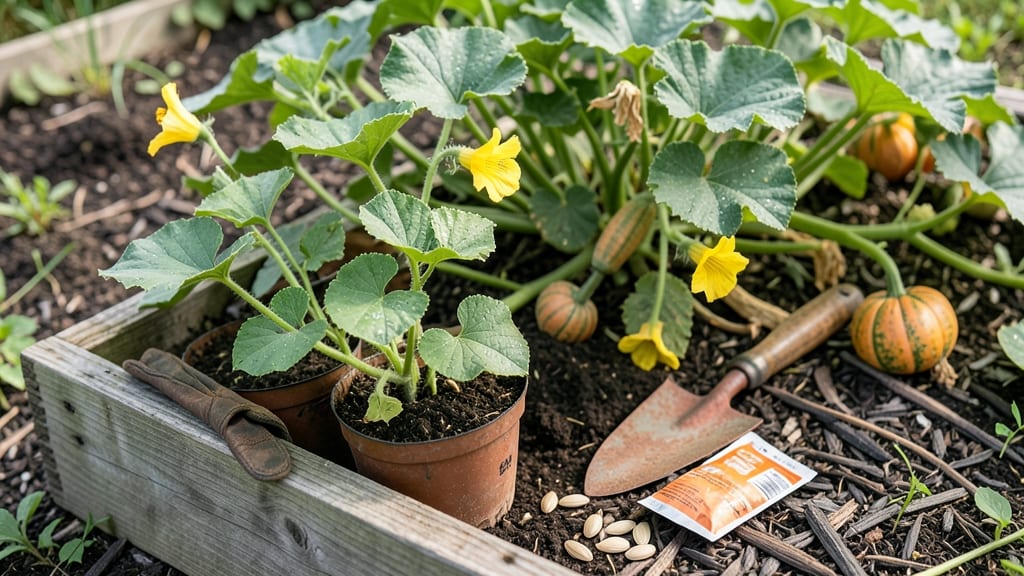
If you're dreaming of a bumper crop of 🎃 pumpkins this fall, when do you plant pumpkins in Pennsylvania is the key to success. Getting the timing right ensures your vines thrive without risking frost damage or cutting your harvest short—especially in USDA Zones 5b-7a, where seasons can shift unpredictably.
Most Pennsylvania gardeners know the golden window runs from mid-April to mid-June, but the real magic happens after your last frost date—typically around April 15 in most regions.
That’s when soil reaches the ideal 60-65°F for seeds to sprout quickly, giving your vines a head start before summer heat sets in.
Here’s what you’ll discover: how to adjust planting dates based on your specific zone, which pumpkin varieties thrive in Pennsylvania’s shorter season, and simple tricks to protect your seedlings from late frosts. Whether you’re a first-time gardener or a seasoned grower, these insights will help you maximize your yield.
Let’s break down the exact steps to turn your pumpkin patch into a thriving success—no guesswork required. Your harvest is closer than you think!
Pennsylvania pumpkin planting calendar: exact dates by USDA Zone 6 & 7
Timing your pumpkin planting in Pennsylvania means balancing last frost dates, soil temperatures, and your specific USDA zone. In Zone 6 (northern PA), wait until mid-May for safety, while Zone 7 (southern PA) can start as early as late April.
These dates ensure your seedlings survive overnight temps below 50°F, which can stunt or kill young vines.
Pumpkin seeds need soil temps of 60-90°F to germinate properly. Use a soil thermometer to confirm—if it’s below 60°F, wait another week. In Pennsylvania, soil typically reaches this threshold by late May in Zone 6 and mid-May in Zone 7.
Planting too early risks poor germination and weak starts.
For a foolproof harvest, aim to plant pumpkins 90-120 days before your first frost. In Pennsylvania, this means mid-June is your cutoff for most varieties. Late plantings may not mature before October’s first frost, leaving you with underdeveloped fruit.
| Zone | Last Frost Date | Ideal Planting Window | Soil Temp Requirement | Harvest Window |
|---|---|---|---|---|
| Zone 6 (Northern PA) | April 15–May 10 | Mid-May to June 1 | 60–90°F (late May) | Late Sept–Oct 10 |
| Zone 7 (Southern PA) | April 1–May 1 | Late April–May 20 | 60–90°F (mid-May) | Mid-Sept–Oct 15 |
📅 Pro Tip: Use black plastic mulch to warm soil 2-3 weeks earlier than natural conditions.
If spring in Pennsylvania throws you a curveball—like late frosts in May—don’t panic. Start seeds indoors 2-3 weeks before your target outdoor date. Use biodegradable pots to transplant seedlings without disturbing roots. This gives you a 2-week head start on the season.
For container gardening, plant pumpkins in 5-gallon pots by late May in Zone 6 or early May in Zone 7. Containers warm up faster than soil, but they also dry out quicker. Water daily in containers during hot spells to prevent stress.
Pennsylvania’s microclimates matter! If you’re in a valley or low-lying area, expect later frosts (wait until May 20). Higher elevations or northern counties may need to push planting to June 1. Check your local Cooperative Extension office for hyper-local advice.
Never plant pumpkins in cold, wet soil. Amend your garden bed with compost or aged manure to improve drainage and warmth. A raised bed can also give you 2-3 extra weeks of growing time by warming up faster in spring.
Remember: Pumpkins need space—vines spread 10-30 feet! Plan your garden layout now to avoid crowding. In small spaces, choose bush varieties like ‘Jack Be Little’ (only 5-10 feet spread) to save room for other crops.
Your last chance for a pumpkin harvest in Pennsylvania is July 15. After that, even fast-maturing varieties won’t have enough time to ripen before frost. Mark your calendar now to avoid missing this critical deadline!
How to extend Pennsylvania’s pumpkin growing season with frost-proof tips
Pennsylvania’s unpredictable springs and early fall frosts can sabotage pumpkin growth if you’re not prepared. Even after planting at the perfect time, a late frost in May or early freeze in October can devastate your crop.
The key is using season-extending strategies tailored to PA’s climate, like cold frames, row covers, and soil warming hacks.
I’ve grown pumpkins in Zone 6b for years, and these methods have saved my harvests from 30°F nights in late September. Start with black plastic mulch to warm soil by 5-10°F, then layer with row covers for extra protection.
Even a simple DIY cold frame can buy you 2-3 extra weeks of growing time.
🌱
⚠️ Critical Frost Alert: When to Act Fast
Nighttime temps below 50°F threaten seedlings, while 32°F or lower can kill mature plants. Use these emergency frost shields:
- Row covers: Lay floating fabric over plants at dusk, secure with bricks or stakes.
- Cloche bells: Place over individual plants for 5-10°F protection.
- Water trickle: Run a slow drip irrigation overnight to release heat as water freezes.
Test your soil’s warmth threshold with a soil thermometer—pumpkin seeds need 60°F+ soil to germinate.
For companion planting, pair pumpkins with bush beans or marigolds—beans fix nitrogen in the soil, while marigolds deter pests like squash vine borers. Avoid planting near potatoes or melons, which compete for nutrients and attract the same pests.
In northern PA (Zone 6), I’ve had success with ‘Howden’ pumpkins under hoop tunnels covered with agricultural plastic.
If you’re in southern PA (Zone 7), focus on earlier maturing varieties like ‘Jack Be Little’ (75 days) and use straw mulch to insulate roots. Straw also suppresses weeds and retains moisture—critical during Pennsylvania’s hot, dry July summers. Always remove mulch 6 weeks before harvest to prevent rot.
Finally, monitor weather forecasts and adjust your timeline. If a cold snap is predicted after planting, delay by 1-2 weeks or use a seedling heat mat to jumpstart growth. With these strategies, you’ll double your harvest chances and enjoy pumpkins straight from your PA garden.
☀️