
Plants
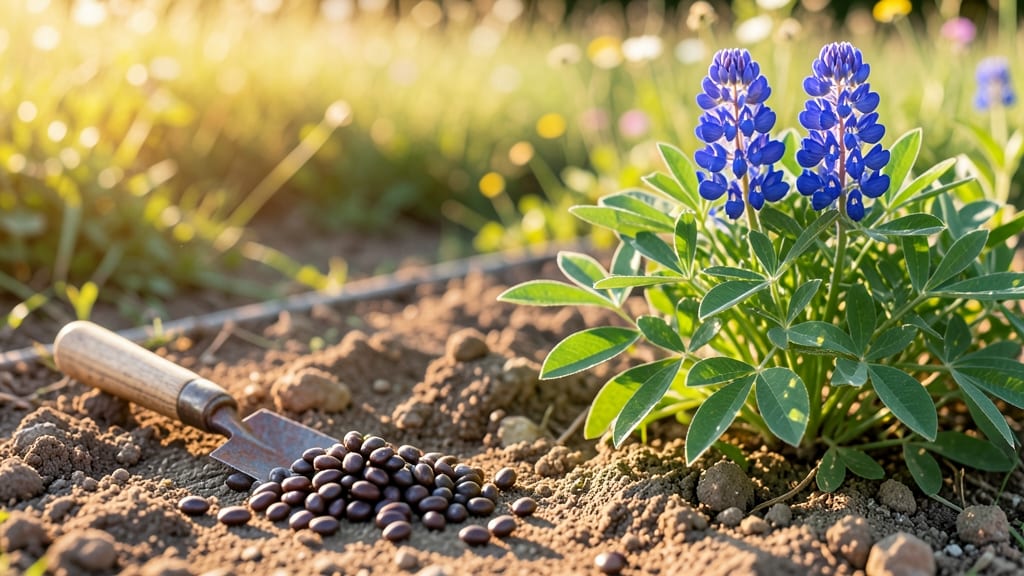
If you’ve ever dreamed of seeing Austin’s hillsides blanketed in vibrant blue 🌸, knowing when to plant bluebonnet seeds in Austin is the game-changer between a bustling spring display and a missed opportunity.
The perfect window to plant these iconic Texas wildflowers isn’t just about months—it’s about aligning with Austin’s unique climate, frost dates, and rainfall patterns.
Most gardeners make one critical mistake: planting too late in fall or too early in spring, risking frost damage or weak growth. But here’s the secret—bluebonnets thrive when sown between late September and November, when soil temperatures drop and winter rains set in.
This timing ensures they’ll sprout, establish roots, and burst into color by March, turning your yard into a postcard-worthy scene.
I’ll walk you through the exact steps to prep your soil, scatter seeds, and protect them from Austin’s unpredictable weather, so you can skip the guesswork and enjoy a show-stopping spring.
Whether you’re a first-time gardener or a seasoned pro, these tips will help you grow bluebonnets like a local.
Ready to transform your landscape? Let’s dive into the easiest, most reliable way to plant bluebonnet seeds for a wildflower wonderland that’ll make your neighbors green with envy.
Best months to plant bluebonnet seeds in Austin’s climate
Timing is everything when planting bluebonnet seeds in Austin’s USDA Zone 8a/8b climate. These native wildflowers thrive when sown during the fall window, specifically between late September and November. This aligns perfectly with Austin’s first frost dates (typically mid-December) and ensures seeds germinate before winter dormancy sets in.
Bluebonnets rely on cold stratification—a natural process where seeds experience winter chills to break dormancy. Planting in fall gives seeds time to absorb moisture, soften their hard coats, and sprout in early spring when temperatures rise.
Spring planting is possible but less reliable, as seeds may not get enough cold exposure to germinate consistently.
Austin’s average rainfall peaks in fall and spring, but late-season rains in November can wash away newly planted seeds. To combat this, I recommend sowing seeds 2-3 weeks before expected heavy rains or using a light straw mulch to anchor them in place.
| Planting Window | Soil Temperature | Rainfall Risk | Germination Timing |
|---|---|---|---|
| Late September - November | 50-70°F | Moderate (use mulch) | Spring (March-May) |
| December - Early January | Below 50°F | Low (dormancy period) | Delayed (if any) |
| Spring (February - March) | 60-80°F | Low (dry season) | Unreliable without stratification |
*Austin’s first frost typically occurs around December 15.
For the best results, I plant my bluebonnet seeds in late October, just before Austin’s average first frost. This gives seeds enough time to establish roots before winter, while still benefiting from natural stratification.
If you’re in a warmer microclimate (like near the Colorado River), you might extend planting into early November.
Pay attention to soil moisture during planting. Austin’s fall rains can make soil soggy, but bluebonnets prefer well-draining soil. Amend heavy clay soil with compost or sand to improve drainage. Test your soil’s pH level—bluebonnets thrive in slightly acidic to neutral soil (6.0-7.0 pH).
If you miss the fall window, you can try planting in early spring (February), but success rates drop significantly. Seeds planted in spring often fail to germinate because they lack the cold stratification needed to break dormancy.
For consistent blooms, stick to the fall timeline and let winter do the work for you.
Pro tip: Mark your calendar for November 1st—this is my personal deadline for planting bluebonnet seeds in Austin. After this date, I focus on protecting existing seedlings from freeze events rather than starting new ones.
Use row covers or mulch heavily to insulate young plants during January’s occasional hard freezes.
Bluebonnets are drought-tolerant once established, but newly planted seeds need consistent moisture to germinate. Water lightly after planting, then reduce frequency as winter approaches. Overwatering can lead to rot or fungal issues, so aim for 1-2 inches of water per week during the growing season.
Remember, bluebonnets are annuals in most of Texas, meaning they complete their life cycle in one year. Planting in fall ensures you’ll see those iconic blue blooms next spring, turning your garden into a Texas Hill Country masterpiece.
Best months to plant bluebonnet seeds in Austin’s climate
Austin’s USDA Zone 8a-9a climate creates perfect conditions for bluebonnet seeds to thrive—but only if you plant at the right time. These native wildflowers need a cool winter dormancy to produce their signature blue spring blooms.
Planting too early risks frost damage, while late plantings may not establish roots before summer heat. The ideal window is late September through November, aligning with Austin’s first frost dates (mid-December) and natural rainfall patterns.
Bluebonnets are fall-planted perennials, meaning they germinate in fall, grow a small root system, and enter dormancy over winter. By spring (March-May), they burst into color—just in time for Austin’s famous bluebonnet season.
The soil temperature should be between 60-70°F for optimal germination, which typically occurs in October in Austin’s climate.
| Planting Window | Best Months | Soil Temp | Rainfall Needs | Frost Risk |
|---|---|---|---|---|
| Fall Planting (Ideal) | Late Sept-Nov | 60-70°F | Natural rains | Low (after Nov) |
| Spring Planting (Risky) | Feb-Mar | 55-65°F | Moderate watering | High (late frosts) |
| Summer Planting (Avoid) | June-Aug | 85°F+ | Minimal germination | None |
Austin’s variable rainfall plays a key role in timing. Native bluebonnets evolved to germinate with fall rains, so aim to plant after Austin’s first significant rain in October.
If you miss fall, you can plant in early spring (February), but seedlings are far more vulnerable to late frosts (Jan 15). For best results, stick to the fall window—this ensures your bluebonnets establish roots before summer’s intense heat.
Pro tip: Check Austin’s 30-day forecast before planting. If heavy rains are predicted, delay sowing by 1-2 weeks to avoid seed washout. Bluebonnets thrive in well-drained, rocky soil, so avoid low-lying areas where water pools.
The drier the better—overwatering is the #1 killer of young seedlings in Austin’s clay-heavy soil.
For maximum blooms, time your planting to coincide with Austin’s cool-season growing period. Seeds sown in late October typically bloom by March-April, while those planted in November may wait until April-May.
The trade-off? Earlier plantings risk early freezes, while later ones may not flower until summer’s peak heat fades.
Remember: Bluebonnets are self-seeding annuals in Austin’s climate. Once established, they’ll reappear yearly without replanting—just maintain the soil and light conditions. For a guaranteed show, plant 3-4 weeks before your average first frost (typically mid-November in Austin).