
Plants
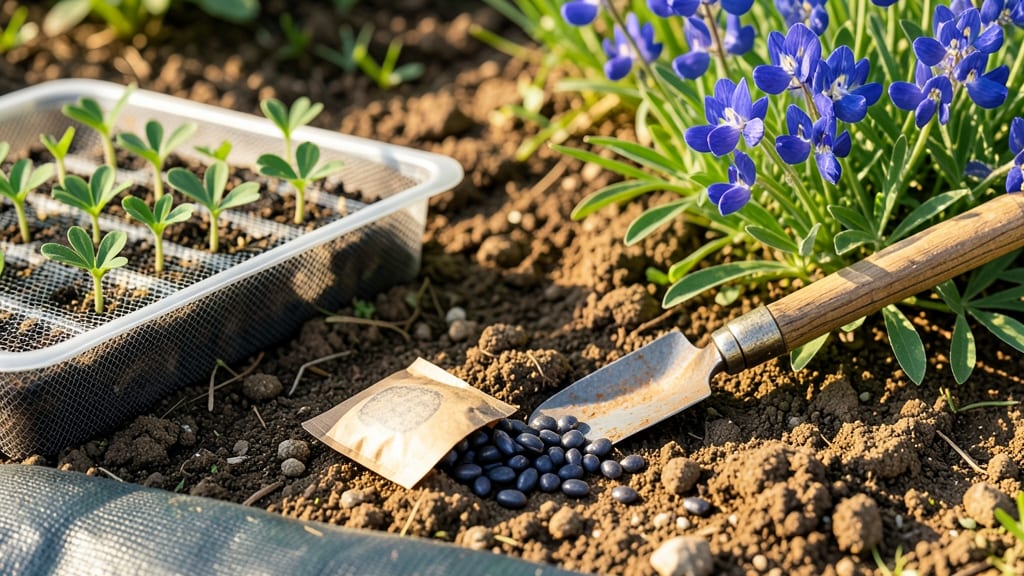
If you’ve ever dreamed of Houston’s roadsides bursting with 🌼 bluebonnets in spring, knowing when to plant the bluebonnet seeds in Houston is the game-changer between success and disappointment.
Planting too early risks frost damage, while waiting too late might leave your seeds struggling to establish roots before winter’s chill sets in.
In USDA Zone 9a, where Houston’s mild winters and hot summers create a unique growing rhythm, the ideal window for planting bluebonnet seeds is narrow but critical.
I’ll walk you through the exact months—September through November—and how to align your planting with Houston’s climate quirks for the best germination rates.
You don’t need a green thumb to pull this off, but you do need to know the key tricks for Houston’s soil and weather. From preparing your seedbed to avoiding common pitfalls, this guide will help you turn your yard into a vibrant bluebonnet carpet by spring.
Let’s get your seeds in the ground at the perfect moment—so you can enjoy Houston’s signature wildflowers blooming right where you planted them.
Best fall planting window for Houston bluebonnet seeds
Houston’s USDA Zone 9a climate creates a unique window for planting bluebonnet seeds—one that’s perfect for fall but risky if timed wrong. The ideal planting window spans from early October to mid-November, when soil temperatures hover between 60-70°F.
This range triggers germination without exposing young seedlings to Houston’s rare but possible December frosts.
Why this timing? Bluebonnets need 60-90 days to establish roots before winter dormancy. Planting in October ensures they’ll sprout before December 15—Houston’s average first frost date—and bloom spectacularly next spring. Rural areas may have slightly cooler microclimates, so adjust by planting 1-2 weeks earlier in those zones.
Urban Houston gardens, especially near concrete or pavement, can experience heat islands that delay soil cooling. Monitor soil temps with a thermometer—if it drops below 55°F, your seeds may struggle to sprout. Aim for 60°F+ for consistent germination.
🌼 Houston Bluebonnet Planting Timeline
| Stage | Action | Soil Temp | Houston Climate Note |
|---|---|---|---|
| Early Oct | Scatter seeds | 65-70°F | Best for urban areas |
| Mid-Oct | Light irrigation | 60-65°F | Natural rains help |
| Late Nov | Mulch lightly | 55-60°F | Protect from cold snaps |
| Dec | Dormancy | Below 55°F | Seeds wait for spring |
Houston’s September-October rainfall is your ally—these natural showers help hydrate seeds without overwatering. However, if your area experiences drought conditions (like late October), supplement with light morning watering to prevent seed desiccation. Avoid evening watering to reduce fungal risks in Houston’s humid climate.
For urban gardeners, consider pre-sprouting seeds indoors under grow lights in late September. Transplant seedlings outdoors in early October to give them a head start. Rural gardeners, with cooler soils, should stick to direct sowing in mid-October for best results.
Pro tip: Mark your planting dates on a calendar with Houston’s historical frost dates. The National Weather Service reports show Houston’s last frost rarely occurs before December 15, but microclimates near elevated areas (like Memorial Park) can experience frost 1-2 weeks earlier.
If you miss the fall window, December planting is still possible—but only if your soil stays above 50°F. Use a clear plastic tunnel or row cover to protect seedlings from unexpected cold snaps. Just know that spring blooms may be delayed or less vibrant.
Remember: Bluebonnets are perennials in Houston’s climate, meaning they’ll return year after year if planted correctly. The first year’s blooms are your reward for nailing the fall timing—so don’t rush or delay!
🌱
How Houston’s climate affects bluebonnet germination success
Houston’s humid subtropical climate creates the perfect conditions for bluebonnets—but only if you understand its quirks. The city’s September-October rainfall provides natural moisture, while warm soil temperatures (60-70°F) trigger germination. However, urban heat islands can make city areas 5-10°F warmer than rural spots, affecting timing.
Bluebonnet seeds thrive when soil stays consistently moist after planting. Houston’s afternoon thunderstorms in early fall often do the work for you, but drought-like conditions in late fall may require supplemental watering.
The key is planting when natural rainfall aligns with seed dormancy breaking—typically after the first 3-4 weeks of October.
Here’s how Houston’s climate factors impact your bluebonnet seeds:
| Climate Factor | Impact on Germination | Houston-Specific Tip |
|---|---|---|
| Rainfall Timing | Natural watering triggers sprouting | Plant after first October shower for moisture |
| Soil Temperature | Ideal range: 60-70°F for sprouting | Use soil thermometer in urban areas (warmer soil) |
| Humidity Levels | High humidity prevents seed desiccation | No extra misting needed in Houston’s climate |
| Urban Heat Islands | Warmer microclimates speed germination | Plant 1-2 weeks earlier in city vs. suburbs |
Houston’s direct sowing method works best because bluebonnets dislike root disturbance. Scatter seeds lightly over prepared soil and press them into the ground—they need light to germinate. For dry years, a light mulch layer helps retain moisture without smothering seeds.
If you’re unsure about Houston’s unpredictable late-fall weather, consider pre-sprouting seeds indoors 4-6 weeks before your target planting date. Use seed-starting trays with a heat mat to mimic Houston’s warm soil conditions. Transplant seedlings outdoors only after soil temperatures stabilize below 70°F.
Remember: Bluebonnets are drought-tolerant once established, but young seedlings need consistent moisture. Houston’s spring rains will take over watering duties after germination, but early fall irrigation is critical for survival through winter.
Adjust your watering schedule based on weekly rainfall totals—aim for 1 inch of water per week during dry spells.