
Plants
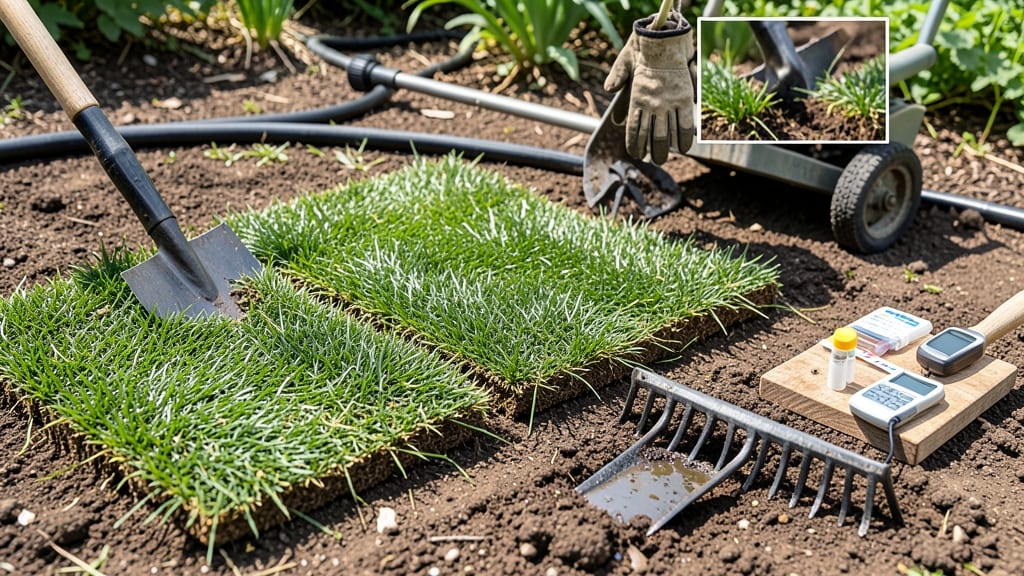
Planting Bermuda grass in Mississippi isn’t just about timing—it’s about giving your lawn the deep roots it needs to survive the state’s brutal heat and humidity. Miss the window, and you’ll end up with shallow roots that struggle during droughts or summer heatwaves.
For optimal results, focus on two key windows: early spring (March–April) or late summer (August). These periods align with soil temperatures above 65°F, which is critical for seed germination and root development. Skip this, and your grass may take twice as long to establish—or fail entirely.
Mississippi’s 8a-9a climate means you’ve got flexibility, but not forever. Whether you’re planting seed or sod, the right timing ensures faster coverage and a lawn that stays thick even when temperatures soar. Let’s break down exactly what to do—and when—to set your Bermuda grass up for success.
From soil prep to post-planting care, small mistakes in timing can lead to big headaches. I’ll show you how to avoid them so your lawn thrives year-round, not just during the growing season.
Optimal Mississippi Bermuda grass planting months by region (with soil temperature guide)
Mississippi’s USDA zones 8a-9a create microclimates where Bermuda grass thrives—but timing is everything. Plant too early, and cold snaps stunt growth; too late, and summer heat stresses seedlings. The ideal window spans March through April for spring planting, with a secondary window in late August for summer establishment.
Northern Mississippi (zones 8a) should wait until mid-April when soil temperatures consistently hit 70°F+. Central Mississippi (zones 8a-8b) can start as early as late March, while southern regions (zones 9a) may plant February-March if nighttime temps stay above 55°F.
Always verify with a soil thermometer—Bermuda grass seeds need 65°F+ soil to germinate.
🌱
| Region | Best Planting Window | Soil Temp Requirement | Key Consideration |
|---|---|---|---|
| North MS (Zones 8a) | Mid-April to May | 70°F+ consistently | Wait for last frost (avg. March 15) |
| Central MS (Zones 8a-8b) | Late March to April | 65°F+ minimum | Monitor nighttime temps (55°F+) |
| South MS (Zones 9a) | February to March | 60°F+ (warmer soils) | Avoid clay-heavy soils in wet spells |
| All Regions (Summer) | Late August | 75°F+ soil | Establish before September rains |
For sod installation, adjust these windows by 2-3 weeks earlier—sod requires active root growth immediately. Use local weather data (like Mississippi State University’s Extension Service alerts) to track 5-day forecasts for stable temps.
Pro tip: Pre-warm cold soils in early spring by covering bare patches with black plastic for 1-2 weeks before planting.
Mississippi’s humidity levels (often 70%+) accelerate germination, but poor drainage in clay soils can drown seeds. Test drainage by pouring 1 inch of water on a bare patch—if it pools after 4 hours, amend with compost or sand before planting.
This is critical for deep root establishment, which Bermuda grass needs to survive summer droughts.
💧
Avoid the common mistake of planting Bermuda grass in May or June—summer heat causes seed desiccation before roots establish. Instead, opt for late summer (August) planting when daytime highs dip slightly and rainfall increases.
For seed varieties, aim for 30-45 days of warm weather post-planting to ensure full germination. Sod offers faster results but requires immediate watering to prevent edge drying.
Use a soil thermometer ($10 at garden centers) to confirm readiness—probe 2 inches deep in morning shade. If temps fluctuate below 65°F, delay planting.
In southern Mississippi, where USDA Zone 9a extends, you can push February plantings, but cover seeds with lightweight row fabric to protect from late-winter frosts.
🌡️
Once planted, maintain consistent moisture for 4-6 weeks—Bermuda grass needs 1-1.5 inches of water weekly (more in Zone 9a). Reduce watering after 30 days to encourage deep root growth.
For clay-heavy soils, water deeply 2-3 times weekly instead of daily shallow watering. This builds drought resistance, crucial for Mississippi’s summer heat waves.
For fastest establishment, choose Tifway 419 or Celebration varieties—they germinate 10-14 days faster than common Bermuda grass in 70°F+ soils. Pair this with a starter fertilizer (high phosphorus) to jumpstart root development.
Remember: Mississippi’s clay soils can compact easily—use a garden fork to loosen 6 inches deep before planting.
5 Signs your Mississippi soil is ready for Bermuda grass (and 3 common mistakes to avoid)
Bermuda grass thrives in Mississippi’s heat, but only if your soil meets its core requirements. Planting too early or late leads to weak root systems and poor drought resistance—common pitfalls in our clay-heavy soils.
Let’s break down the 5 key signs your soil is ready, plus the 3 mistakes that sabotage success.
First, your soil must reach a consistent temperature of 70°F+ at least 2 inches deep. Use a soil thermometer (or check local weather reports) to confirm. Cold soil slows germination, leaving your lawn vulnerable to weed invasion and fungal diseases.
In Mississippi, this typically aligns with late March to early April in most regions.
Next, your soil should be moist but not soggy. Bermuda grass hates waterlogged conditions, which are common in Mississippi’s clay-based soils. Perform the "squeeze test": Grab a handful of soil—if it crumbles when dry but holds shape when wet, it’s ideal.
Overwatering now leads to shallow roots later, making your lawn drought-prone.
🌱 5 Signs Your Soil Is Ready
- Soil temp: 70°F+ at 2" depth (use thermometer)
- Moisture: Drains within 6 hours (no standing water)
- Weeds: Existing weeds are actively growing (shows warmth)
- pH level: Between 6.0–7.5 (test with kit or local extension)
- Texture: Loose and crumbly (amend clay with compost)
Weeds are your best indicator of soil readiness. If weeds like crabgrass or dandelions are sprouting, your soil is warm enough for Bermuda grass. However, don’t let weeds dominate—use a pre-emergent herbicide 2 weeks before planting to clear competition.
Skipping this step means Bermuda grass will compete with weeds for nutrients, delaying your lawn’s establishment.
Now, let’s talk mistakes. Planting too early (before soil warms) causes seed rot or slow germination. Conversely, waiting until June or July risks heat stress and shallow roots. Another error? Skipping soil prep.
Mississippi’s clay soil needs amendments like compost or sand to improve drainage. Without this, your Bermuda grass will struggle to spread and stay green during droughts.
Finally, overwatering after planting is a silent killer. Bermuda grass needs deep, infrequent watering to encourage roots to grow downward. Light, frequent watering keeps roots shallow, making your lawn vulnerable to Mississippi’s summer heat.
Aim for 1–1.5 inches of water per week, delivered in the early morning to prevent fungal issues.
By watching for these 5 signs and avoiding these 3 mistakes, your Bermuda grass will establish a deep, resilient root system that handles Mississippi’s humidity and heat like a pro. 🌡️