
Plants
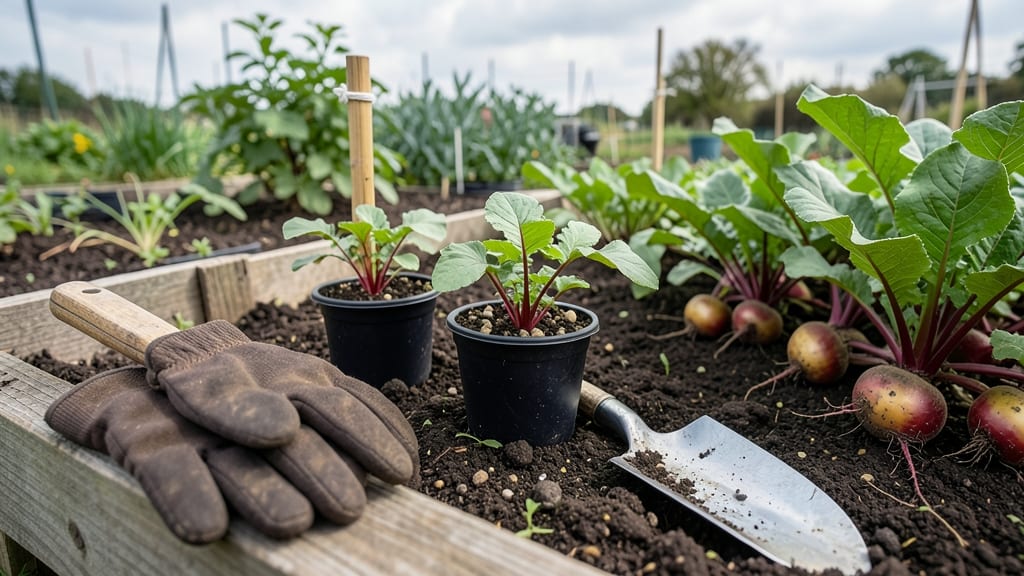
If you've ever planted beets in Southern California only to watch them bolt into bitter, stringy messes by summer, you're not alone. The key to growing sweet, tender 🍠 beets lies in timing your plantings for cooler months when the heat won't trigger their natural defense mechanism.
Here's the secret: fall and spring are your best bets for zero-bolt harvests in our 9b-11 climate. By starting seeds between September and March, you'll avoid the summer heat that causes beets to rush their life cycle and develop tough roots.
What makes this timing work so well? Beets thrive in our mild winter temperatures where they grow steadily without stress. The November to May harvest window gives you fresh roots right through spring when gardeners everywhere are craving homegrown goodness.
I'll show you exactly when to plant each month, how to adjust for coastal vs inland microclimates, and which varieties handle our unique growing conditions best. Let's get those beets growing right!
Southern California beet planting calendar: fall vs spring start dates
Southern California’s mild winters and hot summers create a unique challenge for growing beets. Unlike cooler climates, we can’t plant year-round—timing is everything to avoid bitter, woody roots or premature bolting. The key is planting during cooler months when soil temperatures stay below 75°F.
Most gardeners in SoCal focus on two planting windows: fall (September-October) and early spring (February-March). These periods align with optimal soil temps (50-70°F) and avoid summer heat stress. Coastal areas can extend planting slightly later than inland regions due to cooler ocean breezes.
Here’s the breakdown of ideal planting months for zero-bolt harvests, tailored to Southern California’s microclimates:
| Planting Window | Coastal SoCal | Inland SoCal | Soil Temp | Harvest Window |
|---|---|---|---|---|
| Fall Planting | Late Aug - Oct | Sep - Oct | 50-70°F | Nov - Jan |
| Spring Planting | Feb - early Mar | Jan - Feb | 55-65°F | Apr - May |
| Late Spring (Risky) | Apr (shade only) | Not recommended | >75°F | Bitter/bolting |
For coastal gardens (e.g., Malibu, Santa Barbara), you can push planting 2-3 weeks later than inland areas thanks to marine layer cooling. Inland zones like Inland Empire or Riverside need to start earlier to avoid heat spikes that trigger bolting.
If you’re in high desert areas (e.g., Joshua Tree, Palm Springs), adjust your schedule 1-2 weeks earlier—these regions experience hotter soil temps faster. Always check soil temperature with a thermometer before planting; beets thrive when soil is between 50-70°F.
Pro tip: Use black plastic mulch in spring to cool soil faster and extend your planting window by 2-3 weeks. This is especially useful for inland gardeners who want to try late-spring plantings. Just remove the mulch once roots are established to prevent overheating.
Remember, beets are cool-season crops, so they’ll bolt (flower prematurely) if exposed to consistent temps above 80°F. By sticking to these fall and spring windows, you’ll enjoy sweet, tender roots without the bitterness or tough texture that comes from summer planting.
For container growing, follow the same timing but use larger pots (12"+ diameter) to accommodate root growth. Containers heat up faster, so monitor soil temps closely and water more frequently to keep roots cool.
🌱
Southern California beet planting calendar: fall vs spring start dates
Southern California’s mild winters and hot summers create unique challenges for growing beets. Unlike northern climates, we don’t have to worry about frost damage, but heat stress and bolting are real threats. The key to success? Planting during cooler months when soil temperatures stay below 75°F.
Most gardeners in SoCal focus on two planting windows: fall (for winter harvests) and early spring (for spring harvests). Coastal areas like Los Angeles and San Diego have slightly longer growing seasons than inland regions like the Inland Empire or Central Valley, thanks to cooler ocean breezes.
🌱 PRO TIP: Use a soil thermometer to check temperatures before planting—beets thrive when soil is between 55°F and 70°F. If it’s hotter, wait or use shade cloth to cool the soil.
| Planting Window | Best Months | Soil Temp | Harvest Window | Notes |
|---|---|---|---|---|
| Fall Planting | September–October | 55°F–70°F | November–March | Best for winter harvests; avoid planting after October in inland areas. |
| Spring Planting | February–March | 60°F–70°F | April–June | Ideal for coastal areas; use shade cloth if temps rise above 75°F. |
| Extended Spring | Late March–April | 65°F–70°F | June–July | Risk of bolting; best for heat-tolerant varieties like Detroit Dark Red. |
For coastal gardens, you can push the envelope slightly by planting late August for a fall harvest before temperatures spike. However, inland areas should avoid summer planting entirely—bolting (premature flowering) turns sweet roots bitter and woody.
If you’re in a high-elevation area like Mountain View or Big Bear, you might experience light frosts in winter. In these cases, use row covers to protect young seedlings, but beets are generally frost-tolerant down to 20°F.
My personal favorite is a fall-planted crop that matures by December—just in time for holiday meals. Start seeds indoors in late August and transplant outdoors in early September for a head start. For spring plantings, direct-sow in February and harvest by June before summer heat sets in.