
Plants
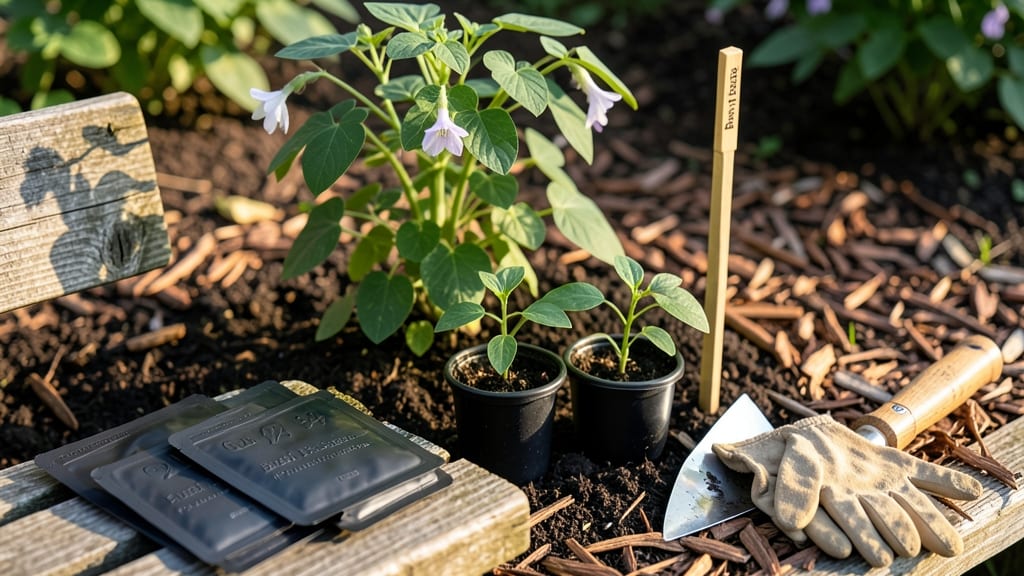
Timing your bean planting in Southern California could mean the difference between a bumper crop and a sad, wilted garden.
With coastal areas like Santa Barbara enjoying mild winters and inland spots like Palm Springs baking under summer sun, getting the schedule wrong can leave your 🌱 struggling—or worse, bolt before you even taste those fresh pods.
You might think all beans are created equal, but bush beans, pole beans, and lima beans each have their own ideal windows. Plant too early in the desert, and you’ll fry your seeds; too late near the coast, and you’ll miss the sweet spot for lush growth.
The key? Soil temps above 60°F and knowing whether your microclimate leans toward spring’s gentle rains or summer’s relentless heat.
Let’s break it down: coastal gardeners can start as early as February, while inland growers should wait until March to avoid heat stress. And don’t overlook the August-September window for a fall harvest—if you play your cards right, you could be feasting on beans twice a year.
Ready to master the calendar?
I’ll walk you through the exact months, soil tricks, and even companion plants that thrive alongside beans in your zone. No more guesswork—just a harvest you’ll actually enjoy.
Southern California bean planting calendar: coastal vs inland timing differences
Southern California’s microclimates create dramatic differences in when to plant beans. Coastal areas like Santa Barbara enjoy mild winters, while inland Palm Springs faces intense summer heat. Understanding these differences ensures your bush beans, pole beans, and lima beans thrive year-round.
For coastal regions, the ideal planting window starts in late January and extends through March. Inland areas should wait until February or March to avoid summer heat stress.
Both regions can enjoy a fall planting from August to September, but timing depends on your specific USDA zone (9b-11).
Here’s how to align your planting schedule with soil temperatures and frost risks—though frost is rare in most of Southern California. The key is planting when soil reaches 60°F and temperatures stay above 55°F at night.
| Region | Best Planting Window | Soil Temp Threshold | Frost Risk | Harvest Window |
|---|---|---|---|---|
| Coastal (Santa Barbara, San Diego) | Late January - March | 60°F+ | Low (rare below 32°F) | May - June |
| Inland (Los Angeles Basin, Riverside) | February - March | 60°F+ | Very Low | May - June |
| Desert (Palm Springs, Joshua Tree) | Late February - Early March | 65°F+ | None | May - Early June |
| Fall Planting (All Regions) | August - September | 60°F+ | None | October - November |
In coastal areas, you can start bush beans as early as late January because cooler nights and ocean breezes slow soil warming. Pole beans, which need more warmth, should wait until February. Inland areas should delay planting until March to avoid heat stress during summer months.
For fall planting, aim to sow seeds by late August in coastal regions and early September inland. This ensures beans mature before temperatures rise again in October. Lima beans, which are more heat-sensitive, should be planted in spring only.
Always check your local frost dates, even in Southern California. While frost is rare, coastal foothills (like Malibu) can experience light frosts in December or January. Use row covers if planting early in these zones.
Pro tip: Use a soil thermometer to confirm soil temperatures. Beans won’t germinate well below 55°F, so wait for consistent warmth. In desert regions, morning soil temps can spike quickly—plant in shade cloth if needed.
If you live in Zone 10 or 11 (like Palm Springs), focus on fall harvests to avoid summer’s 100°F+ temperatures. Succession planting every 2-3 weeks in spring keeps your harvests steady through June.
Remember: Pole beans take longer to mature (70 days) than bush beans (55 days), so plan accordingly. Start with bush beans for quicker rewards, then add pole beans for a prolonged harvest.
🌱
Southern California bean planting calendar: coastal vs inland timing differences
Southern California’s coastal and inland regions have wildly different growing conditions, so timing matters. Coastal areas like Santa Barbara enjoy milder winters, while inland spots like Palm Springs face scorching summers. Let’s break down the best planting windows for your bean varieties.
For coastal gardens, the ideal time to plant beans is late February to early April. The soil stays warm enough for germination without summer heat stress. Inland areas should aim for mid-March to early April to avoid the brutal summer heat that can stunt growth.
Soil temperature is your best guide—wait until it reaches 60°F (15°C) before planting. Use a soil thermometer to check, especially in desert-adapted zones where the ground heats up quickly.
🌱 Bean Planting Calendar by Region
| Region | Best Planting Window | Soil Temp Threshold | Harvest Window |
|---|---|---|---|
| Coastal (Santa Barbara, San Diego) | Late February - Early April | 60°F (15°C) | May - June |
| Inland (Los Angeles Basin, Riverside) | Mid-March - Early April | 65°F (18°C) | June - July |
| Desert (Palm Springs, Joshua Tree) | Late August - Early September | 70°F (21°C) | October - November |
💡 Pro Tip: Coastal areas can also try a fall planting (August-September) for a second harvest before winter rains arrive.
If you’re growing pole beans, start them slightly earlier—about 2 weeks ahead of bush beans—to give them time to establish vines before the heat peaks. Lima beans, which are more heat-tolerant, can handle inland planting as late as mid-April.
For fall harvests, focus on late summer planting (August-September) in inland areas. Coastal gardens can extend this slightly into early October before cooler temperatures slow growth. Always choose heat-tolerant varieties like 'Contender' or 'Black Valentine' for inland success.
Remember, succession planting every 2-3 weeks ensures a steady supply of fresh beans. Whether you’re in coastal fog belts or inland deserts, timing is everything for a bountiful harvest. 🌿