
Plants
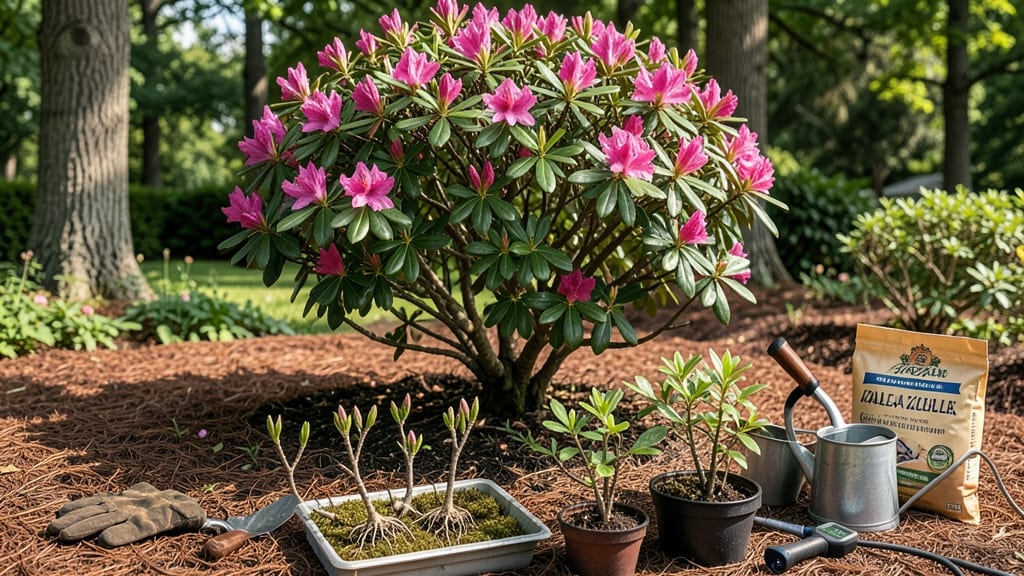
Planting azaleas in Atlanta at the wrong time can mean the difference between decades of vibrant blooms and a winter-killed shrub. With USDA Zone 7b's unpredictable swings from 90°F summers to freezing winter nights, timing is everything for your 🌸 azalea to take root before the cold sets in.
Most Atlanta gardeners assume spring is the only safe window, but fall planting actually gives your azaleas a head start. The key is getting them in the ground between October and November, when soil stays warm enough for roots to establish but before the first frost hits around mid-November.
Why does this matter? Because azaleas planted too early in summer will bake in Atlanta's heat, while those planted too late face winter stress that can kill young plants.
I'll show you exactly how to time it right for your specific microclimate—whether you're in a shady backyard or a hot urban pocket.
Let's break down the perfect planting schedule, soil prep secrets, and how to protect your azaleas from Atlanta's most dangerous weather patterns. Your future spring blooms depend on getting this right now.
Best planting months for azaleas in Atlanta’s Zone 7b climate
Timing is everything when planting azaleas in Atlanta. The city’s USDA Zone 7b climate creates a narrow window where these acid-loving shrubs can establish roots before winter’s chill or summer’s heat stress.
My experience shows that fall planting (October–November) is the gold standard—giving roots time to settle before dormancy, while early spring (March) works for those who miss the fall window.
Atlanta’s last frost date (March 15) and first frost (November 15) bookend the ideal planting period. Planting after mid-November risks exposing young roots to winter’s freeze-thaw cycles, while spring planting must occur before bud break (late February) to avoid transplant shock during active growth.
Here’s the critical detail: soil temperatures must stay above 60°F for root establishment. In Atlanta, this aligns with October’s 72°F average and March’s 62°F. Use a soil thermometer to confirm—cool, damp soil speeds root growth.
Urban vs. rural microclimates add complexity. Downtown Atlanta’s concrete heat islands can delay first frosts by 1–2 weeks compared to suburban areas, while northern Atlanta’s higher elevations may experience earlier frosts. Adjust your timing accordingly.
Heatwaves in late summer (August–September) can also stress newly planted azaleas. If you must plant in September, prioritize shade placement and deep watering to offset Atlanta’s 90°F+ afternoons.
For container-grown azaleas, timing shifts slightly. Containers warm faster in spring and dry out quicker in summer, so aim for late March–April planting. Use 1-gallon pots max for Zone 7b—larger containers risk root rot in Atlanta’s humid summers.
Pro tip: Acclimate bare-root azaleas for 1–2 weeks before planting. Soak roots in water mixed with mycorrhizal fungi (available at local nurseries) to boost survival rates in Atlanta’s clay-heavy soils. This simple step can double your success rate.
Watch for heatwaves after planting. If temperatures spike above 90°F within 2 weeks, provide 30% shade cloth until roots establish. Mulch with 3 inches of pine straw to retain moisture and regulate soil temps.
Remember: Azaleas hate transplant shock. The key to Atlanta’s climate is balancing root growth with seasonal extremes. Fall planting gives you that edge—just don’t wait past mid-November, or winter will catch your new shrubs off guard.
Best planting months for azaleas in Atlanta’s Zone 7b climate
Atlanta’s humid subtropical climate creates a narrow window for planting azaleas—too early and they’ll bake in summer heat, too late and winter’s chill can damage tender roots. The ideal planting months are October through November, when soil stays warm but air temperatures begin cooling.
This timing lets roots establish before winter dormancy sets in.
Spring planting is possible in early March, just after the last average frost date of March 15. However, spring-planted azaleas often struggle to bloom their first year as they focus on root growth. Fall planting gives them a head start for spring flowering and better cold hardiness.
Atlanta’s microclimates play a huge role in timing. Urban areas like Midtown stay warmer than suburban Decatur, so adjust your planting date accordingly. For example, if you’re in a hotter microclimate, plant by October 15 to avoid summer heat stress.
Use a soil thermometer to confirm temperatures are below 65°F before planting.
Another critical factor is rainfall timing. Atlanta’s fall rainy season (September-October) can delay planting if soil stays too wet. Amend heavy clay soils with organic matter like compost to improve drainage.
For container planting, you can extend your window slightly by using well-draining pots and moving them to sheltered spots during winter.
Pro tip: If you miss the fall window, bare-root azaleas can be planted in December as long as the ground isn’t frozen. Just water thoroughly after planting and protect with mulch to insulate roots. The key is getting them established before the November 15 average first frost.
Remember, azaleas hate transplant shock. Water deeply the day after planting and maintain consistent moisture for the first 6-8 weeks to help roots establish. In Atlanta’s heat, this means daily watering until roots spread beyond the root ball.