
Flowers
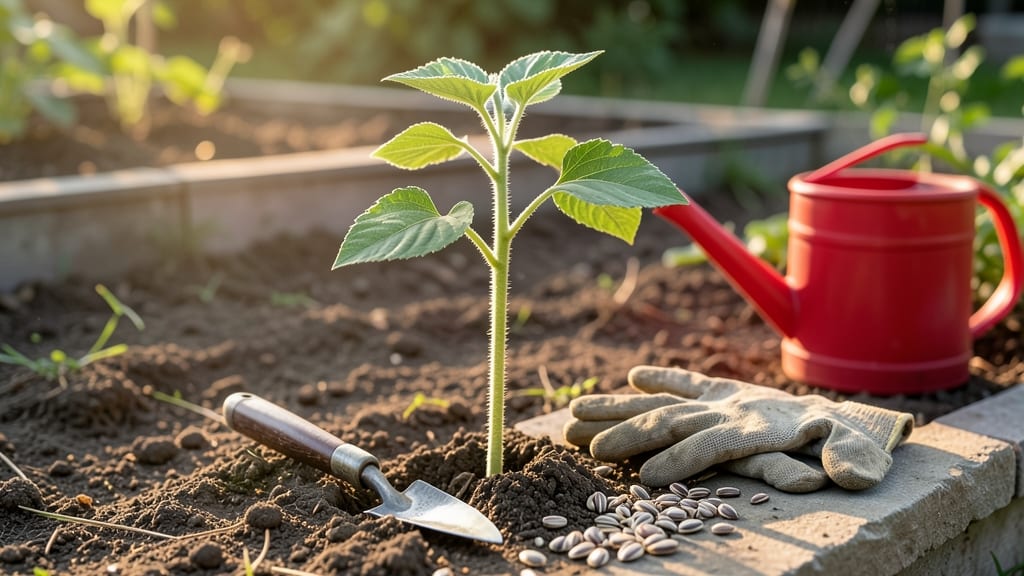
Planting sunflowers in Oklahoma at the wrong time could mean the difference between a stunning 10-foot-tall 🌻 and a sad, stunted plant that never blooms. With USDA Zone 7a's unpredictable frost dates, getting the timing right is the key to success—especially when your garden's growing season is short.
Most Oklahoma gardeners wait until mid-April to early June to sow sunflower seeds directly into the ground, once the soil has warmed to at least 50°F.
This window ensures your sunflowers have enough time to mature before the first frost hits in November, giving them the 60-120 days they need to reach their full potential.
But here's the catch: if you plant too early, cold soil can delay germination, while planting too late might leave your sunflowers struggling to bloom before the heat of summer fades.
I’ll show you exactly how to time it right—plus the best varieties to grow in Oklahoma’s climate—so you can enjoy those bright, cheerful flowers all season long.
Whether you're a first-time gardener or a seasoned pro, these tips will help you avoid common mistakes and maximize your sunflower harvest. Let’s get those seeds in the ground at the perfect moment!
Oklahoma sunflower planting deadlines by USDA Zone 7a frost dates
Oklahoma’s USDA Zone 7a offers a 180-day frost-free season, but sunflowers need precise timing to thrive. The last average frost date in most Oklahoma cities falls between March 15 and April 15, while the first frost typically arrives around November 15.
This gives you a 7-8 month growing window—but sunflowers need 60-120 days to mature, depending on the variety.
For maximum sunflower success, aim to plant seeds 2-4 weeks after your last frost date. In Oklahoma, this usually means mid-April to early June for most regions. Planting too early risks frost damage to young seedlings, while late planting may result in stunted growth before the first frost.
Here’s how to calculate your local frost-free window: Check the Oklahoma Mesonet for your county’s historical frost dates. Subtract 60 days (minimum maturity time) from the first frost date to find your last planting deadline.
For example, if your first frost is November 15, your last planting date is September 15.
Soil temperature is just as critical as air temperature. Sunflowers won’t germinate well in soil below 50°F. Use a soil thermometer to confirm readiness—most Oklahoma soils hit this threshold by mid-April, but northern regions may need to wait until late April or early May.
If you’re eager to start earlier, consider indoor seed starting. Begin seeds indoors 4-6 weeks before your last frost date (around February 15) using grow lights. Transplant seedlings outdoors after the frost risk passes, but avoid hardening off too late—sunflowers don’t tolerate transplant shock well.
🌱 Oklahoma Sunflower Planting Summary
| Stage | Action | Notes |
|---|---|---|
| Last Frost Date | Mid-April to early May | Varies by region; check Mesonet |
| Ideal Planting Window | Mid-April to early June | 2-4 weeks after last frost |
| Soil Temperature | Minimum 50°F | Use thermometer for accuracy |
| Last Planting Deadline | September 15 (for 60-day varieties) | Extend with cold-hardy varieties |
| Harvest Window | Late July to September | Earlier for dwarf varieties |
📅 Pro Tip: Oklahoma’s Panhandle (Zone 7b) has a longer frost-free season (up to 200 days), allowing for late June plantings.
For direct sowing outdoors, plant seeds 1 inch deep and 6 inches apart for standard varieties. Larger sunflowers like ‘Russian Giant’ need 1-2 feet of spacing. Thin seedlings to avoid competition, but avoid disturbing roots—sunflowers hate being transplanted after germination.
If you miss the spring window, don’t despair! Oklahoma’s fall planting can work for fast-maturing varieties. Sow seeds in late August for a September-October harvest before the first frost. Choose dwarf or semi-dwarf varieties (e.g., ‘Teddy Bear’) for quicker results.
Always monitor local weather forecasts in the weeks leading up to planting. A late frost warning may delay your schedule, but sunflowers are resilient—with the right timing, you’ll enjoy towering blooms from July through September.
For maximum yield, succession plant every 2 weeks from April to June. This ensures a continuous harvest and prevents overcrowding. Just remember: sunflowers love space, so plan your layout carefully!
How to extend your sunflower growing season in Oklahoma’s unpredictable climate
Oklahoma’s USDA Zone 7a brings warm days but unpredictable frost risks—especially in spring and fall. To maximize your sunflower growth beyond the typical 180-day frost-free window, you’ll need strategic adjustments.
Start by choosing cold-hardy varieties like ‘Autumn Beauty’ or ‘Moulin Rouge,’ which tolerate cooler temperatures better than standard types.
Another game-changer is using row covers or frost blankets to protect young seedlings. These lightweight fabrics trap heat and shield plants from light frosts (below 28°F).
I’ve seen gardeners in northern Oklahoma extend their planting window by 2-3 weeks this way, giving sunflowers extra time to mature before fall frosts arrive.
🌱
Stagger plantings every 2 weeks from mid-April to late June to ensure continuous blooms. Use dwarf varieties (like ‘Teddy Bear’) for later plantings—they mature faster and avoid fall frost risks.
Plant near south-facing walls or raised beds to absorb heat. These spots can be 5-10°F warmer than open ground, pushing sunflowers to maturity earlier.
Use black plastic mulch to warm soil 5-7 days faster than bare earth. This lets you plant 2-3 weeks earlier without frost damage.
Cover mature sunflowers with burlap sacks when nighttime temps drop below 32°F. This preserves seed heads for harvest even if flowers wilt.
Move pots to garages or sheds at night if frost is forecasted. Dwarf varieties thrive in 5-gallon containers and can be relocated easily.
For northern Oklahoma, aim to plant by May 15 to guarantee harvest before the first frost (typically mid-November). In southern Oklahoma, you can push this to June 1 for late-season blooms. Always check Oklahoma Mesonet for 7-day forecasts—it’s my go-to for real-time frost alerts.
Remember: Sunflowers hate soggy soil in cool weather. If you’re extending the season with row covers, ensure proper air circulation to prevent fungal diseases like powdery mildew. A quick fix? Use hoop houses with ventilation slits.
With these tricks, you can turn Oklahoma’s short growing season into a sunflower bonanza—even if frost sneaks in early. My Russian Giant plants once bloomed in October thanks to these methods! ☀️