
Plants
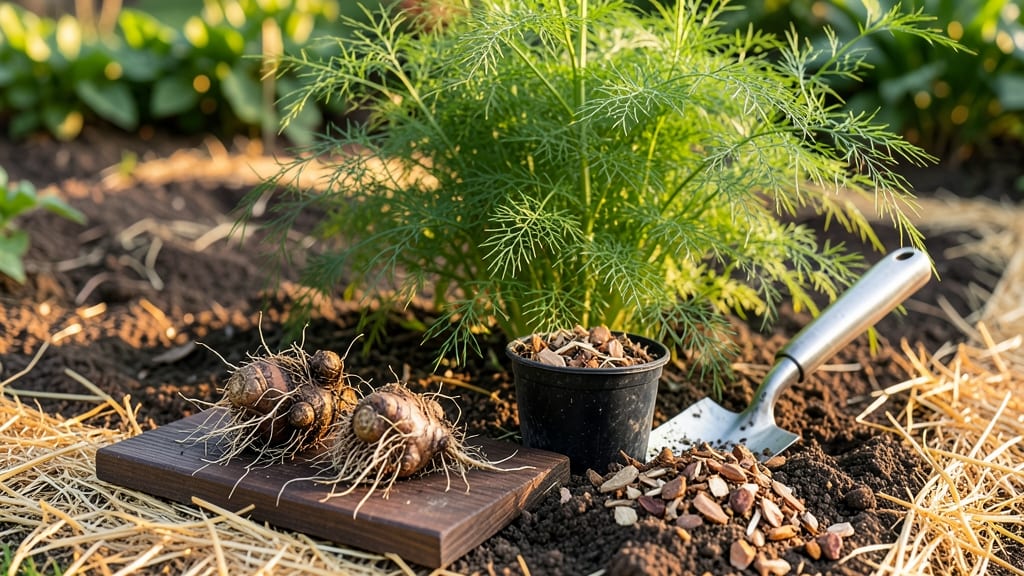
Planting asparagus in Zone 6 at the wrong time means waiting years before your first harvest—because this perennial 🌱 needs cold stratification to grow strong roots.
Unlike annuals, asparagus crowns must experience winter’s chill to break dormancy, so timing isn’t just about avoiding frost—it’s about giving them the exact conditions they crave.
If you’ve ever wondered why some gardeners get lush asparagus beds while others struggle with slow growth, the answer often lies in when they planted. In Zone 6 (where frost lingers until mid-April), the ideal window is narrow but critical: early spring (March–April) or late summer (August–September).
Missing it could delay your first spears by a full year.
I’ll walk you through the exact steps to time your planting—from checking soil temperatures to calculating your last frost date—so you can skip the guesswork. Whether you’re a first-time gardener or a veteran with patchy results, these insights will help you plant asparagus for a harvest that lasts decades.
Ready to turn your garden into a spear-producing powerhouse? Let’s dive into the science (and secrets) behind planting asparagus the right way in Zone 6.
Optimal planting windows for asparagus in Zone 6: weeks before last frost
Planting asparagus in Zone 6 requires precision timing to ensure strong root establishment before summer heat arrives. The two best windows are early spring (March-April) and late summer/fall (August-September), but each has unique advantages.
Early spring gives roots 6-8 weeks of cool soil before summer, while fall planting leverages natural cold stratification over winter.
For Zone 6's average last frost date (April 15), aim to plant crowns 4-6 weeks before this date—typically mid-to-late March. This timing ensures roots develop before soil warms above 70°F (21°C), which can stress young plants.
Fall planting should occur 8-10 weeks before first frost (October 15), usually in early-to-mid August.
Cold stratification is critical for asparagus crowns. Planting in cool soil (40-50°F/4-10°C) triggers dormancy hormones that strengthen roots. In Zone 6, spring soil often warms too quickly—planting too early can cause crowns to sprout prematurely and weaken before harvest year.
To calculate your exact window, check your local last frost date (use the USDA Plant Hardiness Zone Map or Almanac.com) and subtract 4-6 weeks for spring or 8-10 weeks for fall. For example, if your last frost is April 20, plant by March 5-15 in spring.
| Planting Window | Ideal Months (Zone 6) | Soil Temp Requirement | Key Advantage |
|---|---|---|---|
| Early Spring | Mid-March to Mid-April | 40-50°F (4-10°C) | Roots establish before summer heat |
| Late Summer/Fall | Early August to Mid-September | 60-70°F (15-21°C) | Natural cold stratification over winter |
🌱 Pro Tip: Test soil temp with a soil thermometer—plant when it consistently reads 40-50°F (4-10°C) for spring or 60-70°F (15-21°C) for fall.
Spring planting is riskier in Zone 6 because soil warms rapidly. If you plant too late (after April 15), crowns may struggle to establish before summer. Fall planting is more forgiving—crowns get a full winter to harden off, resulting in faster harvests in year 2.
However, avoid planting after September 1, as new roots won’t have time to anchor before frost.
For Zone 6b (colder sub-zone), shift planting 1-2 weeks earlier (e.g., late February to early March for spring). In Zone 6a (warmer sub-zone)mid-April for spring or mid-September for fall. Always monitor 7-day forecasts—avoid planting if frost is predicted within 2 weeks.
After planting, mulch with 3-4 inches of straw or wood chips to regulate soil temperature. In spring, this prevents overheating; in fall, it insulates roots during freeze-thaw cycles. Water deeply once a week for the first 4 weeks to encourage root growth, then taper to bi-weekly once established.
Remember: Asparagus is a long-term investment. Crowns planted at the right time in Zone 6 can produce harvests for 15+ years. Skimp on timing, and you risk stunted growth or no harvests in years 2-3. Patience pays off—literally!
Signs your Zone 6 soil is ready for asparagus planting (and what to fix first)
Before you plant asparagus crowns in Zone 6, your soil must meet three critical conditions: proper pH balance, excellent drainage, and rich organic matter.
Skipping these checks can lead to stunted growth or even plant death. Let’s break down what to look for—and how to fix common issues—before you dig.
First, test your soil’s pH level. Asparagus thrives in slightly alkaline soil with a pH between 6.5 and 7.5. Use a simple soil test kit (available at garden centers) to check.
If your soil is too acidic (below 6.5), amend it with lime 2-3 months before planting. For overly alkaline soil (above 7.5), mix in sulfur or peat moss.
⚠️ WARNING: Planting asparagus in poorly draining soil is a recipe for root rot. Test drainage by digging a 12-inch hole, filling it with water, and timing how long it takes to drain. If water lingers more than 6 hours, your soil is too compacted. Fix this by amending with compost or coarse sand to improve aeration.
Planted asparagus in warm soil? Roots struggle to establish. Wait until soil temps reach 40-50°F (use a soil thermometer).
Ignored soil tests? Guesswork leads to poor growth. Test pH, drainage, and organic matter before planting.
Next, ensure your soil has 3-5% organic matter. Asparagus roots need nutrients to spread deeply. Work in 2-4 inches of compost or well-rotted manure into the top 12 inches of soil.
Avoid fresh manure, which can burn roots. For heavy clay soil, mix in sand or perlite to improve structure.
Finally, choose a sunny, raised bed if your soil is shallow or prone to waterlogging. Asparagus roots grow 1-2 feet deep, so deep, loose soil is ideal.
Raised beds also warm up faster in spring, giving your crowns a head start. Mark your bed with stakes to avoid disturbing roots during future harvests.
Once your soil passes these checks, your asparagus crowns will have the perfect foundation to thrive. Pro tip: Mulch with straw or wood chips after planting to retain moisture and suppress weeds—critical in Zone 6’s variable climate. 🌱