
Plants
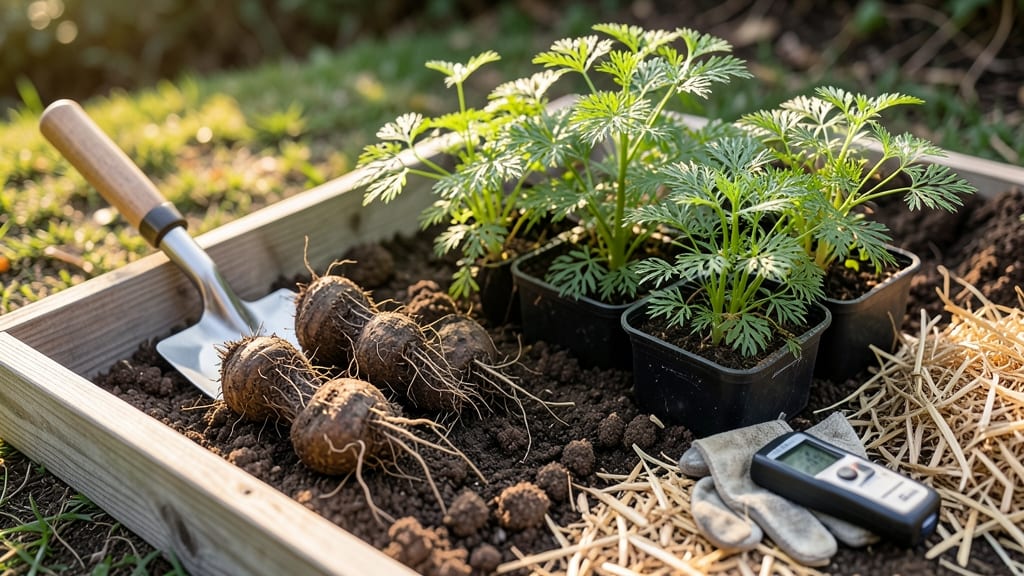
Timing your asparagus planting in Massachusetts isn't just about checking a calendar—it's about waiting for that perfect moment when the soil warms up enough to fuel strong root growth. Too early, and frost will stall your plants before they even get started.
Too late, and you might miss the narrow window for establishing a healthy crop before summer heat sets in.
For gardeners in zones 5b-6b, the key is watching for soil temperatures between 50-60°F, which typically aligns with late April to early May. This is when the ground thaws enough to support new growth, but before the heat of summer arrives.
Whether you're planting crowns or seeds, getting this timing right makes all the difference in whether your asparagus thrives or struggles.
I've seen firsthand how a few extra weeks of cold soil can turn a promising asparagus bed into a disappointment. The good news? With the right techniques—like testing soil warmth and adjusting for your specific microclimate—you can give your plants the best possible start.
Let me walk you through exactly what to look for and how to avoid common mistakes that trip up even experienced gardeners.
From coastal areas with milder springs to inland regions where frost lingers longer, Massachusetts offers diverse conditions for growing asparagus. By focusing on soil temperature rather than just dates, you'll set your crop up for success—leading to those prized spears in just a couple of years.
Ready to get your timing right?
Massachusetts asparagus planting timeline: soil temperature rules over calendar dates
Massachusetts gardeners often rely on calendar dates for planting, but asparagus thrives when soil reaches 50-60°F—not when the calendar says spring.
In USDA zones 5b-6b, this typically means waiting until late April to early May, but coastal areas like Cape Cod may see earlier planting due to milder microclimates.
Last year's frost date—usually mid-April—isn't the trigger. Instead, focus on soil warmth, which can lag behind air temperatures. Inland areas like Worcester or Springfield may need to wait until early May, while Boston's coastal influence often allows planting by late April.
Asparagus crowns planted too early in cold soil rot, while waiting too long reduces the plant's time to establish roots before summer heat arrives. The key is balancing soil temperature, frost risk, and daylight hours—all of which vary across Massachusetts' diverse regions.
🌱
| Region | Soil Temp Trigger | Optimal Planting Window | Frost Risk Note |
|---|---|---|---|
| Coastal (Boston, Cape Cod) | 50°F (late April) | Late April - Early May | Lower risk; warmer microclimates |
| Inland (Worcester, Springfield) | 55°F (early May) | Early May | Higher risk; wait for consistency |
| Western MA (Pittsfield) | 60°F (mid-May) | Mid-May | Coldest zone; prioritize warmth |
For gardeners in USDA zone 5b (like Boston), aim to plant when daytime highs consistently reach 60°F. Use a soil thermometer to confirm—this is more reliable than guessing. In zone 6b areas (e.g., Nantucket), you can plant as early as mid-April if soil warms quickly.
Even with perfect timing, asparagus crowns take 2-3 years to produce harvestable spears. Planting in late April to early May gives roots enough time to establish before summer's heat stress.
In my own garden, I've found that May 1st is the sweet spot for inland areas—it balances frost risk and soil warmth.
If you're using 1-year-old crowns, plant them 6-8 inches deep and 12-18 inches apart in trenches. For seed-started asparagus, wait until soil is 60°F+ and transplant seedlings carefully to avoid root damage. Both methods benefit from well-draining soil—critical in Massachusetts' often clay-heavy soils.
🌿
Pro tip: If your soil stays cold past early May, consider using black plastic mulch to warm the ground faster. I've seen this method add 2-3 weeks of growing time in cooler inland areas. Just
For container growing, use large pots (at least 12 inches deep) and plant in late May after all frost risk has passed. Containers warm up faster than ground soil, so monitor closely with a thermometer.
🪴
How to test soil warmth for perfect asparagus planting in MA (DIY methods)
Don’t guess when your Massachusetts soil is ready for asparagus—use these DIY soil warmth tests to avoid stunted growth. Asparagus crowns need 50-60°F soil to thrive, and cold soil delays root establishment. Here’s how to check without a fancy thermometer.
First, grab a soil thermometer (digital or analog) for the most accurate reading. Insert it 4-6 inches deep—the depth where asparagus roots will grow. Take readings in the late afternoon when soil is warmest. If it’s below 50°F, wait 1-2 weeks before planting.
No thermometer? Try the finger test: Dig your hand into the soil. If it feels cool but not icy (like a chilly basement), it’s likely 50-55°F. If it’s bone-chilling, wait longer. For a quicker gauge, plant a fast-growing test crop like peas or radishes nearby—they’ll sprout when soil reaches 40-50°F, signaling it’s time for asparagus.
Coastal Massachusetts regions (like Cape Cod) warm up 1-2 weeks earlier than inland areas due to ocean influence. Adjust your planting timeline accordingly!
Cold soil can also cause rot or fungal issues. If your soil stays below 50°F past mid-May, consider using black plastic mulch or row covers to warm the soil faster. Lay the mulch 2-3 weeks before planting to give the ground a head start.
For container gardening, soil warms up quicker. Monitor pots with a thermometer and plant when the center of the pot reaches 55°F. Containers also dry out faster, so keep them consistently moist until roots establish.
Pro tip: Plant asparagus crowns slightly deeper in cooler soil—the extra insulation helps roots warm up faster. Aim for 6-8 inches deep and cover with 2-3 inches of mulch to retain heat and moisture.
If frost threatens after planting, use frost cloth or straw mulch to protect young crowns. Asparagus is perennial, so getting the first year right sets up decades of harvests—don’t rush the process!