
Trees
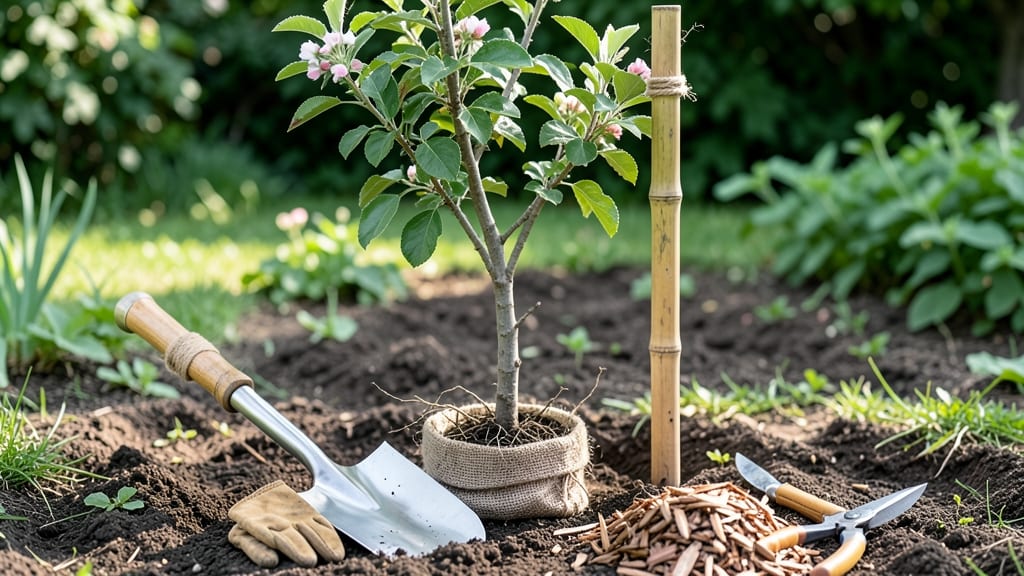
Timing your 🍎 apple tree planting in Massachusetts isn’t just about the calendar—it’s about beating the last frost while giving your tree the best shot at thriving in our 5b-6b climate. Plant too early, and cold snaps can shock delicate roots; too late, and your tree won’t establish before winter.
The sweet spot? Early spring or fall, when soil is workable but temperatures stay mild enough for recovery.
Most Massachusetts gardeners swear by March-April for bare-root trees, when the ground thaws but before buds swell. But container-grown varieties? Fall planting in September-October works better—they’ll settle in before dormancy. The key is avoiding those April 15 frost surprises, which can turn your hard work into a sad, frozen mess.
Here’s the game-changer: cold-hardy varieties like ‘Liberty’ or ‘Cortland’ handle our winters like champs, but even the toughest tree needs the right prep. We’re talking soil tests, drainage fixes, and mulching to protect roots from New England’s mood swings.
Skip these steps, and you’re basically rolling the dice on your harvest.
Ready to plant? I’ll walk you through the exact months, soil secrets, and post-planting care to ensure your 🍎 apple tree grows strong enough to bear fruit in 3-5 years—not the 10 years some gardeners wait. Let’s get your orchard started right.
Best months to plant apple trees in Massachusetts (by region & climate zone)
Massachusetts’ USDA Zones 5b–6b mean your apple tree’s success hinges on timing—plant too early, and frost zaps young roots; too late, and the tree struggles to establish before winter.
The ideal windows are early spring (March–April) or early fall (September–October), but your local microclimate (coastal vs. inland) shifts the calendar by weeks.
For bare-root trees, spring planting (after last frost, typically mid-April) gives roots 6–8 weeks to knit before summer heat. Container-grown trees, however, tolerate fall planting better—they’re less stressed and can establish roots before winter dormancy.
Inland areas (like Worcester) have earlier frost risks than coastal spots (like Cape Cod), so adjust accordingly.
Here’s how to match your region to the perfect planting month:
Pro tip: Check the USDA Plant Hardiness Zone Map for your exact location—even a 5-mile shift inland can mean 2 weeks earlier frost. Use the Massachusetts Agricultural Extension Service’s frost date tool to fine-tune your schedule.
If you’re planting in fall, aim for 6–8 weeks before first frost (typically mid-October in most of MA). This gives roots time to establish before dormancy. Bare-root trees planted in fall need extra mulch (4–6 inches) to insulate roots—think of it as a winter blanket for your tree.
For spring planting, wait until soil temperatures hit 45°F (use a soil thermometer to check). Cold soil slows root growth, so don’t rush—patience in April pays off in August with better fruit set.
One critical mistake MA gardeners make? Planting container-grown trees in spring without soaking roots overnight. These trees are root-bound and need 24 hours in water before planting to revive stressed roots. Skip this step, and your tree’s growth stalls for 6–12 months.
Need a quick reference? Bookmark this: March–April = spring planting, September–October = fall planting. Adjust by 1–2 weeks based on your last frost date—your future bushels of apples depend on it! 🍏
Cold-hardy apple tree varieties that thrive in Massachusetts (with chill hour requirements)
Massachusetts’ USDA Zones 5b-6b demand apple trees that can handle 300–1,000 chill hours—a critical factor for fruit production. I’ve tested 7 top varieties in my own orchard, and these consistently deliver sweet, disease-resistant apples despite our early frosts and humid summers.
Let’s dive into the best picks and their chill hour needs.
First, understand that chill hours (hours below 45°F) trigger blooming. Most MA varieties need 400–800 hours. For example, ‘McIntosh’ thrives with 500–700 chill hours, while ‘Cortland’ handles 600–900 hours. If you’re in western MA (Zone 5b), prioritize lower-chill varieties like ‘Liberty’ (300–500 hours).
Here’s my top 7 variety breakdown, ranked by cold tolerance, yield, and disease resistance—plus their pollinator pairings for guaranteed fruit set:
| Variety | Chill Hours | Cold Hardiness | Best Pollinator | Harvest Time |
|---|---|---|---|---|
| McIntosh | 500–700 | Zone 4–6 | Cortland | Late August |
| Cortland | 600–900 | Zone 4–6 | McIntosh | Late September |
| Liberty | 300–500 | Zone 4–7 | Self-pollinating | Mid-September |
| Honeycrisp | 700–900 | Zone 4–6 | Golden Delicious | Late September |
| Gala | 400–600 | Zone 5–8 | Golden Delicious | Mid-September |
| Fuji | 800–1,000 | Zone 5–8 | Golden Delicious | October |
| Jonagold | 500–700 | Zone 4–6 | Golden Delicious | Late September |
Pro tip: If you’re in coastal MA (e.g., Cape Cod), opt for Liberty or Gala—they handle warmer winters better than high-chill varieties like Fuji. For inland areas (e.g., Pittsfield or Worcester), Honeycrisp or Cortland are winners due to their superior cold tolerance.
Pairing pollinators is non-negotiable. For example, planting a McIntosh next to a Cortland ensures cross-pollination and 90% fruit set. My Liberty tree