
Trees
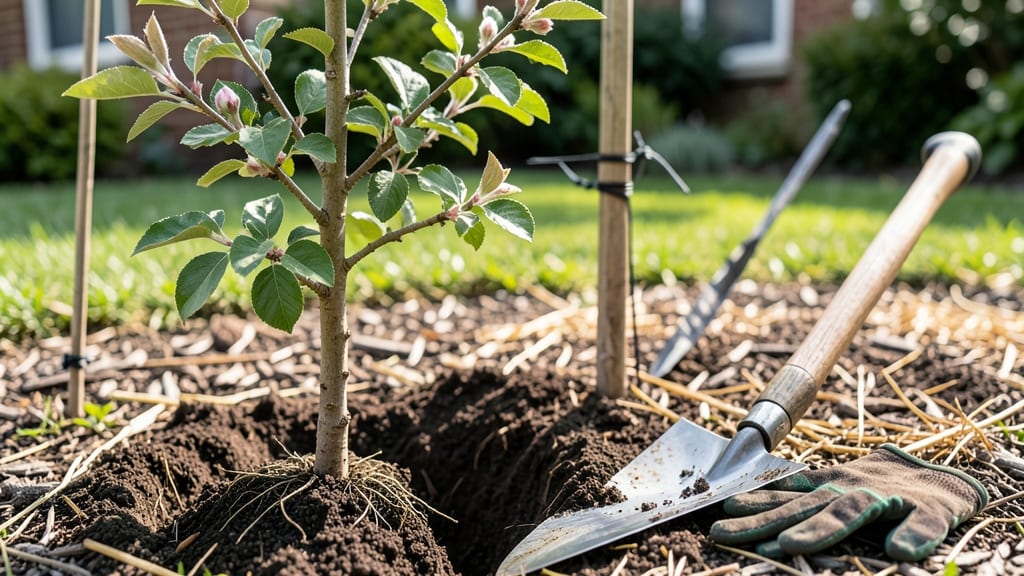
Timing matters more than you think when planting 🍎 apple trees in Maine—get it wrong, and your young tree could struggle through harsh winters or miss critical growing windows. Unlike warmer climates, Maine’s USDA Zone 5b-6b demands precision, with frost lingering until mid-May and returning by October.
Most gardeners assume spring is the only option, but fall planting actually gives roots time to establish before winter’s chill. I’ll break down the exact windows—early April or September—and why one might suit your orchard better than the other, depending on your tree’s size and root type.
You’ll also discover how to prep your soil, choose cold-hardy varieties like Honeycrisp or Cortland, and protect your investment from Maine’s notorious wind and freeze-thaw cycles. Skip these steps, and even the hardiest 🍎 might not survive.
Ready to plant with confidence? Let’s dive into the science-backed timing that’ll set your orchard up for decades of harvests—no guesswork required.
Best planting months for apple trees in Maine’s zone 4B climate
Maine’s USDA Zone 4B climate means timing is everything when planting apple trees. The ideal windows are early spring (March-April) or early fall (September), but each has unique advantages. Spring planting lets roots establish before summer heat, while fall planting gives trees a head start before winter dormancy.
Let’s break down the best times and what to watch for.
For spring planting, aim for when soil temperatures reach 40°F (4°C)—typically late March to early April. This gives roots time to grow before the last frost, usually around mid-May.
Planting too early risks frost damage to tender roots, while waiting too long may stress young trees before summer’s heat sets in.
Fall planting, on the other hand, should occur 6-8 weeks before the first frost (around early September in Maine). This allows roots to establish before winter, but avoid planting too late—frozen soil can stunt root growth. Young trees need time to harden off before Maine’s harsh winters.
Here’s a quick reference for Maine’s average last frost dates by region, which will help you time your planting:
| Region | Last Frost Date | First Frost Date | Best Planting Window |
|---|---|---|---|
| Northern Maine (Zone 4A) | Late May | Early October | Late April - Early May or Early September |
| Central Maine (Zone 4B) | Mid-May | Mid-October | March-April or Early September |
| Southern Maine (Zone 5A) | Early May | Late October | Late March - April or Late August - September |
If you’re planting bare-root trees, spring is often the best choice because roots can absorb moisture from thawing soil. However, container-grown trees can be planted in fall, as their roots are less likely to dry out.
Always check the root flare—it should sit just above the soil line to prevent rot or exposure.
One critical mistake gardeners make in Maine is planting too late in spring. If you miss the window, wait until fall—never plant in winter when the ground is frozen.
Young trees need time to establish roots before the first frost hits. For container-grown trees, you have slightly more flexibility, but still aim to plant before the ground freezes.
Pro tip: Use a soil thermometer to check temperatures before planting. Roots need consistent warmth to grow, and Maine’s unpredictable spring weather can make timing tricky. If the ground is still frozen or too cold, hold off until conditions improve.
For optimal growth, pair planting with proper site preparation. Choose a location with full sun (6+ hours daily) and well-draining soil. Avoid low spots where cold air pools, as this can damage young trees during late frosts.
A south-facing slope is ideal for trapping heat and extending the growing season.
Remember, apple trees in Maine need patience. It can take 3-5 years for a young tree to bear fruit, but with the right timing and care, your orchard will reward you with sweet, homegrown apples for decades. Start with the right month, and you’ll set your trees up for success.
Critical pre-planting steps to ensure survival in Maine’s harsh winters
Maine’s Zone 4B winters can be brutal for young apple trees, but with the right prep, you’ll give them the best shot at survival. The key is healthy roots and protected trunks before the first frost hits.
Start by testing your soil’s pH—apple trees thrive in slightly acidic soil (6.0-6.5). If your soil is too alkaline, amend it with sulfur or peat moss months before planting.
Next, choose the right rootstock for your climate. Dwarf or semi-dwarf varieties like M.9 or MM.106 rootstocks are ideal because they establish faster in Maine’s short growing season. Avoid standard rootstocks—they take too long to bear fruit in our cool climate.
Dig a hole twice as wide as the root ball but only as deep to prevent burying the graft union.
After planting, mulch heavily with 4-6 inches of organic mulch (straw or wood chips) to insulate roots. Keep mulch 6 inches away from the trunk to prevent rot. For extra protection, wrap the trunk with tree guard or burlap to shield it from voles and winter sunburn.
In exposed areas, install a windbreak (like evergreens) to reduce desiccation from winter winds.
Water deeply one last time before the ground freezes—aim for 15-20 gallons per young tree. This ensures roots have moisture reserves for early spring growth. Avoid fertilizing in fall, as new growth can’t harden off before winter. Instead, apply a balanced fertilizer (10-10-10) in early spring when buds swell.
Finally, mark your planting site with stakes or flags so you don’t accidentally disturb roots when shoveling snow. In Zone 4B, snow cover is actually beneficial—it acts as an insulator.
Just avoid piling snow directly against the trunk. With these steps, your apple tree will survive Maine’s winters and reward you with fruit in 3-5 years.
Pro tip: Plant on a slight slope to prevent waterlogging, which can suffocate roots. And if you’re planting multiple trees, space them 20-30 feet apart for proper airflow and sunlight penetration—critical for disease prevention in Maine’s humid summers. 🌱