
Trees
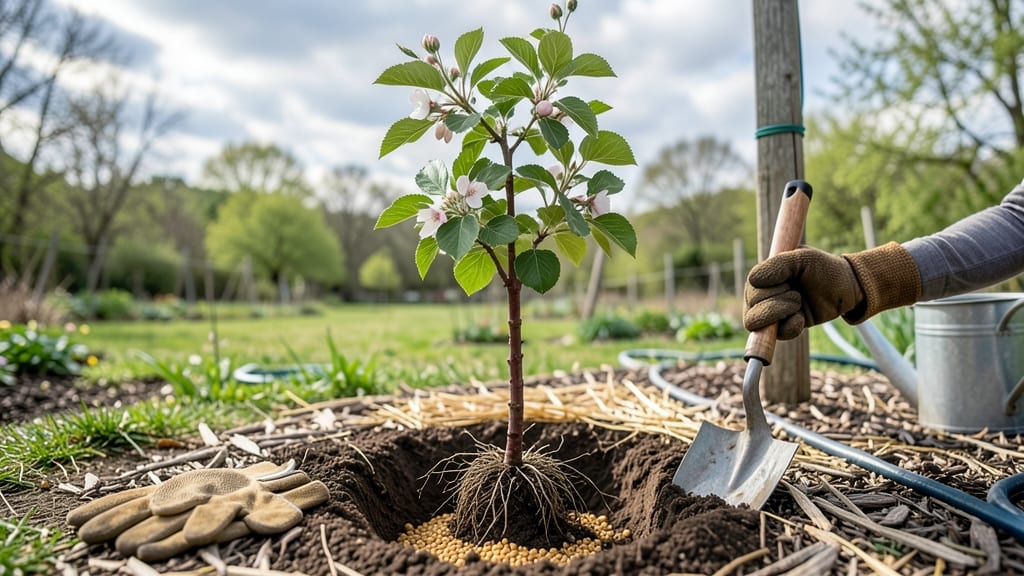
Planting your apple tree 🍎 at the wrong time in Indiana could mean the difference between a thriving orchard and years of disappointment. The key isn't just picking a season—it's matching your variety to Indiana's 5b-6b chill hours and avoiding frost surprises that could kill young roots.
Most gardeners in Indiana know spring is ideal, but early fall works too—if you time it right. I'll show you exactly when to plant bare-root or container-grown trees in your specific zone, plus how to prep soil for maximum success.
Skip the guesswork and get the perfect planting window for your orchard dreams.
Why does this matter? Because Indiana's climate throws curveballs—too early in spring and frost zaps your saplings; too late in fall and roots struggle to establish before winter. We'll cover chill-hour requirements, frost dates, and even which apple varieties handle Indiana's humidity best.
Ready to plant with confidence? Let's dive into the exact months that'll give your apple tree the best shot at thriving—no matter where you are in the state. Your future harvest starts with the right timing.
Indiana apple tree planting calendar: best months by chill-hour zones
Indiana’s chill-hour requirements (400–900 hours) determine the best planting window for apple trees. Most of the state falls in USDA Zones 5b–6b, where timing is critical to avoid frost damage or heat stress.
The ideal months are early spring (March–April) or early fall (September–October), but your exact chill hours dictate the best approach.
For example, northern Indiana (e.g., Gary, South Bend) typically has 800–900 chill hours, while southern Indiana (e.g., Evansville, Louisville) averages 600–700 hours. Matching your apple variety to these numbers ensures proper bud development and fruit production.
Always verify your local chill hours using the USDA Plant Hardiness Zone Map.
🌱
| Zone | Chill Hours | Best Planting Month | Soil Prep Tip | Frost Risk |
|---|---|---|---|---|
| Northern Indiana (5b) | 800–900 | Early April–May | Amend with compost; test pH (6.0–6.5) | High (late frost risk) |
| Central Indiana (6a) | 600–700 | March–April or Sept | Add organic matter; improve drainage | Moderate (watch for late springs) |
| Southern Indiana (6b) | 500–600 | Late Feb–March or Oct | Mulch heavily; avoid waterlogging | Low (earlier springs) |
Spring planting (March–April) is ideal for bare-root trees because roots establish before summer heat. If planting in fall (September–October), choose container-grown trees to avoid transplant shock. Northern Indiana’s late frost dates (April 15) mean you must wait until after the last frost to plant outdoors.
For soil preparation, Indiana’s clay-heavy soils often need amendments like compost or sand to improve drainage. A pH test (6.0–6.5) is non-negotiable—apple trees won’t thrive in acidic or alkaline soil. Spread a 3-inch layer of mulch around the base to retain moisture and suppress weeds.
🌿
If you’re planting in urban areas (e.g., Indianapolis, Fort Wayne), consider dwarf or semi-dwarf varieties to save space. These trees also recover faster from winter damage common in Indiana’s fluctuating temperatures. Always stake young trees to prevent wind rock, especially in exposed yards.
Pro tip: Use a tree guard to protect newly planted saplings from deer and rabbits, which are notorious in Indiana’s rural areas. Water deeply once a week for the first year to encourage root growth, and avoid fertilizing until spring of the second year.
🪴
For container planting, Indiana’s short growing season limits options, but dwarf varieties like ‘Liberty’ or ‘Zestar!’ can thrive in large pots (15+ gallons). Move containers to a sunny, sheltered spot in winter if temperatures drop below 10°F. Just remember: container-grown trees need more frequent watering than in-ground plants.
Finally, always check the microclimate of your yard. A south-facing slope warms up faster in spring, while a low-lying area may experience frost pockets. Adjust your planting timeline accordingly to give your apple tree the best chance at success.
Critical mistakes to avoid when planting apple trees in Indiana
Planting an apple tree in Indiana seems straightforward, but common mistakes can derail your orchard dreams before they start. I’ve seen gardeners rush planting in late fall, skip soil tests, or ignore rootstock compatibility—all leading to stunted growth or even tree death.
Let’s avoid these pitfalls with actionable advice tailored to Indiana’s climate.
First, planting too late in fall is a top mistake. While fall planting is ideal, Indiana’s unpredictable frost dates (often by mid-October) mean trees planted after early October may struggle to establish roots before winter.
If you choose fall, aim for September’s first half when soil is still warm but frost isn’t imminent. Spring planting (March-April) is safer but requires bare-root trees planted before buds swell.
Ignoring soil pH is another silent killer. Apple trees thrive in slightly acidic soil (6.0–6.5), but Indiana’s native soils often lean alkaline. Test your soil with a home kit or send a sample to Purdue Extension. If pH is off, amend with sulfur (to lower pH) or lime (to raise it) 2–3 months before planting. Poor drainage is equally critical—apple trees hate soggy roots, so plant on a slight mound or in raised beds if your yard holds water.
⚠️ WARNING: Fire Blight Risk in Indiana
Indiana’s humid summers create perfect conditions for fire blight, a bacterial disease that can kill apple trees. Choose resistant varieties like 'Liberty' or 'Enterprise,' and avoid overhead watering. Prune infected branches 6 inches below the infection in early spring to prevent spread.
Skipping rootstock compatibility is a costly error. Dwarf rootstocks (like M.9) need well-draining soil and may struggle in Indiana’s heavy clay, while semi-dwarf (MM.106) or standard rootstocks handle our conditions better.
Always check the rootstock type when buying trees—mismatches lead to poor growth or disease susceptibility. For example, 'Honeycrisp' on M.9 rootstock may need staking in windy Indiana yards.
Finally, underestimating pollination needs can leave you with no apples. Most apple trees require a second variety for cross-pollination. In Indiana, pair 'Honeycrisp' with 'Jonathan' or 'Jonagold' for reliable fruit set.
If space is limited, opt for self-pollinating varieties like 'Liberty' or 'Enterprise,' but expect 20–30% lower yields. Plant pollinators nearby—bees love apple blossoms and boost fruit production!
By avoiding these mistakes, your Indiana apple tree will thrive for decades. Start with a soil test, pick the right chill-hour variety, and plant at the optimal time—then step back and watch your orchard flourish. Happy planting! 🌳