
Plants
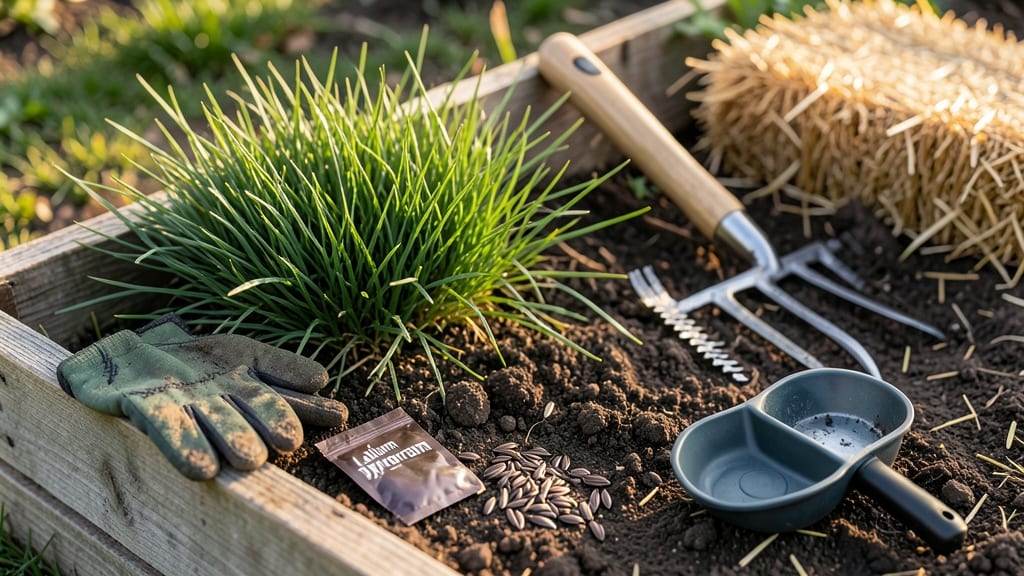
If you're planting annual ryegrass 🌱 in Texas, timing isn't just important—it's the difference between lush winter growth and wasted seeds. The wrong window means struggling with heat stress or frost damage, while the right moment unlocks a cover crop that outcompetes weeds and stabilizes soil.
For Texas gardeners, the sweet spot falls between August and October, when temperatures cool enough for germination but before the first frost locks in.
This window works whether you're planting in North Texas's 8a zone or South Texas's milder 10b climate, though exact dates shift with your region's last frost date.
What makes this timing so critical? Annual ryegrass thrives in cooler weather but bolts in summer heat above 90°F. Plant too early, and you'll fight drought; too late, and frost will stunt growth before establishment.
I'll show you exactly how to read your local microclimate and adjust for urban heat islands or rural wind patterns.
Ready to transform your Texas landscape? Let's dive into the region-specific schedules, soil prep secrets, and pro tips that'll have your annual ryegrass standing tall before winter sets in—no guesswork required.
Optimal Texas planting windows for annual ryegrass by region
Annual ryegrass thrives in Texas’ cooler months, but the exact planting window depends on your region’s first frost dates and heat tolerance limits. North Texas gardeners face earlier frosts, while South Texas enjoys milder winters—adjust your schedule accordingly.
For most Texans, late summer to early fall (August–October) is the gold standard for winter forage and erosion control.
Timing isn’t just about frost—it’s also about soil temperatures. Annual ryegrass seeds need soil temps below 80°F to germinate reliably. If you plant too early in North Texas (USDA Zones 8a–8b), summer heat can bake seeds before they sprout.
Wait until mid-August to avoid this risk. In Central Texas (Zones 8b–9a), aim for late August to early September when daytime highs dip below 95°F.
South Texas (Zones 9a–10b) is the most forgiving, but even here, extreme heat stress (above 100°F) can stunt germination. Plant September–October to align with cooling trends. Pro tip: Check your local AgriLife Extension frost maps for precise dates—Texas A&M’s tools are free and region-specific.
Here’s the critical window for each Texas region, including heat thresholds and frost buffers to maximize success:
Missed the fall window? Don’t panic—spring planting (February–March) is your backup. However, spring-grown ryegrass won’t establish as robustly for winter forage, so prioritize fall. If you’re using it for erosion control, spring planting can still work, but aim for cooler months to avoid heat stress.
Urban gardeners in Texas cities like Austin or Dallas often face microclimates with later frosts. Monitor local weather stations or ask neighbors with established ryegrass patches—they’ll know when their last frost typically hits. Rural areas may experience earlier frosts, so err on the side of planting slightly earlier.
Pro move: Test your soil temperature with a cheap digital thermometer before planting. Stick it 1 inch deep (where seeds will be) and wait until temps drop below your region’s threshold. This small step can double your germination rates by avoiding heat shock.
For maximum winter resilience, plant 4–6 weeks before your first frost. This gives roots time to anchor before cold sets in. In North Texas, that’s early October; in South Texas, mid-October.
Use a seed drill or broadcast spreader for even coverage—uneven planting leads to patchy growth and erosion gaps.
🌱
5 Critical factors that determine your planting success in Texas
Texas’ extreme heat and variable rainfall can make or break your annual ryegrass planting. Unlike cooler climates, timing isn’t just about frost dates—it’s about soil temperature, seed dormancy, and even your local microclimate.
I’ve planted ryegrass in both urban Dallas and rural West Texas, and these five factors consistently separate success from failure.
First, soil temperature must stay between 60°F and 85°F for germination. If your soil hits 90°F+, seeds often fail to sprout, no matter how much you water. Use a soil thermometer to check—especially in South Texas, where summer soils can bake at 100°F.
In North Texas, aim for September planting when daytime highs dip below 90°F.
Next, rainfall timing is everything. Annual ryegrass needs 1-1.5 inches of water weekly during establishment, but Texas droughts can dry out seeds in days. In Central Texas, I’ve seen October plantings thrive with natural rainfall, while West Texas often requires drip irrigation for reliable moisture.
Check your local NOAA rainfall forecasts before planting—don’t rely on luck.
Don’t overlook seed depth. Plant annual ryegrass ¼ to ½ inch deep—any deeper, and seeds suffocate; any shallower, and they dry out. Use a seed drill or broadcast spreader for even coverage.
In sandy soils (common in East Texas), I add a thin layer of compost to help retain moisture around seeds.
Urban vs. rural microclimates matter too. City heat islands in Austin or Houston can push soil temps 5-10°F warmer than rural areas, delaying germination. If you’re in a concrete-heavy zone, plant 2-3 weeks later than rural guidelines.
Conversely, hill country elevations (like Fredericksburg) cool faster—plant 1-2 weeks earlier.
Finally, soil pH between 6.0 and 7.5 is ideal. Test your soil—Texas’ calcareous soils often skew alkaline. If your pH is above 8.0, amend with sulfur or peat moss before planting. I’ve seen pH 8.5+ soils in South Texas stunt ryegrass growth by 30-50%.
Pro tip: Combine these factors with mulching (straw or wood chips) to lock in moisture and moderate soil temps. With these adjustments, your annual ryegrass will establish roots 2-3x faster than in untreated soil. 🌱