
Planting
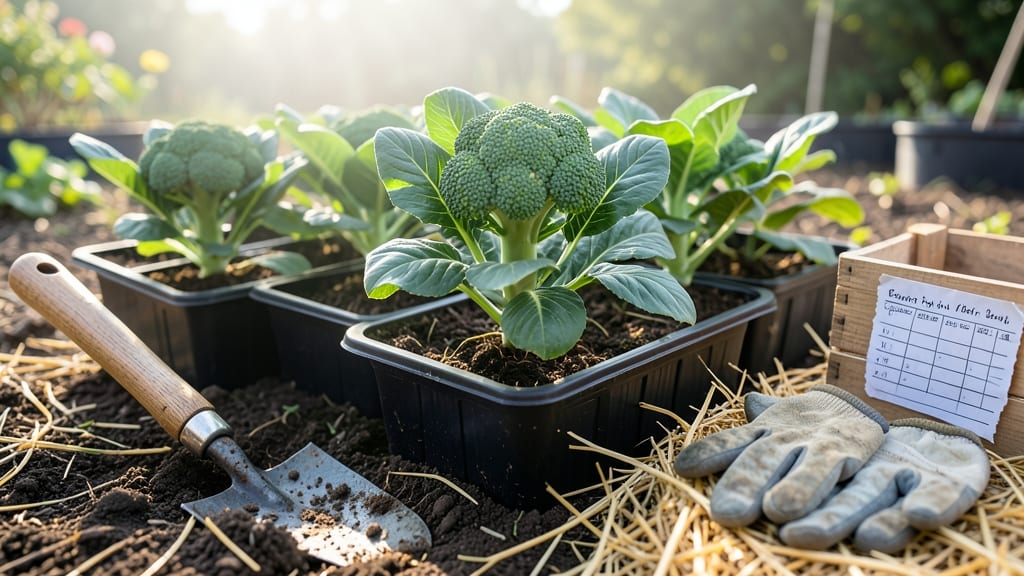
Timing your vegetable garden in Northern California isn’t one-size-fits-all—coastal fog can delay planting by weeks while inland valleys bake early. If you’ve ever watched seedlings wilt in unexpected heat or freeze overnight, you know how critical getting the schedule right really is.
I’ve spent years tracking frost dates and soil temps across USDA Zones 7b–10a, and what I’ve learned will save you from costly mistakes.
Whether you’re in San Francisco’s chilly coastal zone or Sacramento’s hotter inland valleys, the exact planting windows for tomatoes, lettuce, and more are about to change how you plan your garden.
Let’s break down the microclimate deadlines that separate thriving harvests from wasted effort. From coastal spring starts to foothill fall plantings, you’ll discover when to sow, transplant, and adjust for Northern California’s quirks—so you can finally grow what you love, without the guesswork.
Ready to turn your garden into a year-round success? The perfect planting calendar starts here.
Northern California planting zones by elevation: coastal vs. valley vs. foothills deadlines
Northern California’s microclimates create dramatic differences in planting times—just 50 miles inland can shift your last frost date by weeks. Coastal areas like San Francisco (Zone 7b-9a) stay cooler longer, while Sacramento’s valley (Zone 9b-10a) bakes early.
Foothill regions like Napa (Zone 8b-9a) experience rapid temperature swings. Understanding these zones ensures you plant at the perfect window for each crop.
Your elevation and proximity to the coast determine critical deadlines: coastal gardens can start cool-season crops in October, while inland valleys wait until February.
Warm-season crops like tomatoes and peppers need soil temperatures above 60°F, which coastal areas hit in late April but inland valleys reach by mid-March. Let’s break down the exact planting windows for your zone.
🌱
For coastal gardens, the longer growing season lets you plant two rounds of warm-season crops: once in spring and again in summer (after Memorial Day). Inland valleys, however, should focus on one spring planting and succession sowing for crops like lettuce and carrots to avoid summer wilting.
Foothill regions benefit from fall planting for broccoli and kale, which thrive in cooler nights.
Missed the spring window? No problem—fall planting is your backup. In coastal zones, you can still sow spinach and peas in September, while inland valleys can extend their season until October.
Just remember: soil temperature drops faster at higher elevations, so use row covers to protect tender seedlings.
🌿
Your local nursery is your best resource for heat-tolerant varieties. For example, ‘Heatmaster’ tomatoes handle inland valleys’ 95°F+ summers, while ‘Winter Density’ kale survives coastal fog and light frosts.
Always check seed packets for days to maturity—a 60-day tomato planted in May won’t ripen before fall frosts in Zone 7b.
Need a quick reference? Bookmark the UC Master Gardener Program’s frost date maps for real-time updates. These tools adjust for microclimate shifts caused by Pacific Ocean currents or urban heat islands. For instance, Berkeley’s urban gardens (Zone 9a) may frost 2 weeks later than nearby wildland areas.
✂️
Northern California planting zones by elevation: coastal vs. valley vs. foothills deadlines
Northern California’s microclimates create dramatic differences in planting deadlines. Coastal areas like San Francisco often experience late spring frosts until May 15, while inland valleys like Sacramento can plant tomatoes by March 1.
Foothill regions like Napa face unique challenges with cooler nights and warmer days, requiring precise timing for heat-loving crops.
Your elevation determines frost dates: coastal areas average 300 frost-free days, valleys 240 days, and foothills 180-220 days. Understanding these zones helps you avoid frost damage to tender seedlings like peppers and cucumbers, which need soil temperatures above 60°F to thrive.
Northern California Planting Zone Comparison
| Zone Type | Last Frost Date | First Frost Date | Ideal Planting Window | Key Adjustments |
|---|---|---|---|---|
| Coastal (SF, Monterey) | Mid-May | Late November | March–April (cool crops) / June–July (warm crops) | Use row covers for early starts |
| Inland Valley (Sacramento, Stockton) | Early March | Mid-November | February–March (cool crops) / April–May (warm crops) | Plant heat-tolerant varieties early |
| Foothills (Napa, Sonoma) | Late April | Early December | April (cool crops) / June (warm crops) | Monitor nighttime temps for frost risk |
*Adjust planting dates 2–4 weeks earlier for high-elevation foothills (above 2,000 ft).
For coastal gardens, prioritize slow-growing crops like kale and carrots in early spring, while inland areas can tackle fast-maturing tomatoes as soon as soil warms. Foothill gardeners should focus on succession planting to extend harvests through unpredictable fall weather.
Use a soil thermometer to confirm readiness—50°F for cool crops and 60°F+ for warm-season plants. Coastal gardeners can push warm crops later into summer, while inland areas may need to start seeds indoors 6–8 weeks before last frost to meet deadlines.
Pro tip: Urban gardeners in mixed zones (e.g., Oakland) should split their garden—plant cool crops in shaded spots and warm crops in sunniest areas. This microclimate hack maximizes your harvest window by 30–50%.
Always check local frost alerts from the National Weather Service or UC Master Gardeners for real-time adjustments. A single late frost can wipe out tomato seedlings overnight—don’t gamble with timing!