
Plants
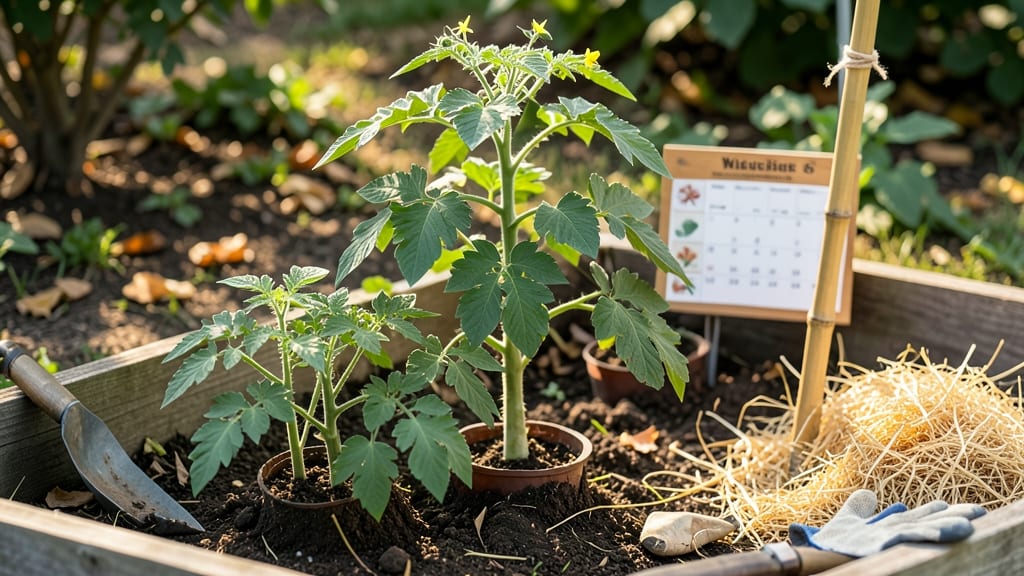
If you've ever dreamt of planting the juicy, homegrown 🍅 tomatoes in your Massachusetts garden, timing is the secret ingredient you can't afford to get wrong. Planting too early risks frost damage, while waiting too long might leave you with a shorter-than-expected harvest season.
Massachusetts gardeners face unique challenges with its variable climate, from coastal breezes to inland heat waves. The key to success lies in understanding your specific region's frost dates and selecting the right tomato varieties that thrive in our summers.
I've researched the best planting windows across Massachusetts—whether you're in Boston, Worcester, or the Cape—to help you avoid common mistakes. You'll discover how to extend your growing season with practical tips, ensuring you get the most from your tomato plants.
Ready to turn your garden into a tomato powerhouse? Let's dive into the perfect planting schedule and varieties that will make your summer harvests bountiful and delicious.
Massachusetts frost dates & best tomato planting windows by region
Massachusetts' diverse climate means last frost dates vary dramatically—from April 15 in the Cape Cod region to May 15 in inland areas like Worcester. For tomatoes, this translates to 3-4 week windows for planting, depending on whether you're starting seeds indoors or transplanting seedlings.
In USDA Zones 5-6 (covering most of Massachusetts), tomatoes thrive when soil temperatures reach 60°F+. Use a soil thermometer to confirm—cold soil stunts root growth and delays fruiting. My rule of thumb? Wait until two weeks after the average last frost date for your area.
For direct sowing (planting seeds outdoors), aim for late May to early June in most regions. This gives seedlings time to establish before summer heat arrives. In cooler microclimates like the North Shore, push planting to mid-June to avoid early blight.
Transplanting seedlings offers flexibility—start them indoors 6-8 weeks before your last frost date. For Boston and coastal areas, this means early April starts, while Worcester and Springfield gardeners should begin mid-April.
Here’s a quick reference for regional planting windows:
| Region | Last Frost Date | Direct Sowing Window | Transplant Window |
|---|---|---|---|
| Cape Cod & Islands | April 15 | Late May | Early April (indoors) |
| Boston & North Shore | April 22 | Early June | Mid-April (indoors) |
| Worcester & Central MA | May 1 | Mid-June | Late April (indoors) |
| Springfield & Western MA | May 15 | Late June | Early May (indoors) |
For extended harvests, consider succession planting—sow new seeds every 2-3 weeks through July. This ensures a steady supply of tomatoes until the first frost, typically October 15-30 in most areas. My go-to variety for this is 'Sungold'—it ripens quickly and handles heat well.
Pro tip: Use black plastic mulch to warm soil faster in early spring. It can raise soil temperatures by 5-10°F, giving tomatoes a head start. Just remove it once plants are established to prevent overheating.
If you're in a microclimate (like a south-facing slope), you can plant 2-3 weeks earlier than the regional average. Conversely, valleys and low-lying areas may need to delay planting by 1-2 weeks to avoid late frosts.
Always check the 7-day forecast before planting—even a light frost can damage young seedlings. For real-time updates, bookmark the National Weather Service Boston frost advisory page.
Finally, fall planting is possible in Massachusetts! If you’re ambitious, try heat-tolerant varieties like 'Celebrity' or 'Better Boy' in late July. Use row covers to protect plants from early autumn chills and extend your harvest into October.
Top heat-tolerant tomato varieties for Massachusetts summers
Massachusetts summers can bring hot, humid conditions that challenge tomato plants, but the right varieties thrive under these circumstances. I’ve grown heat-resistant tomatoes for years, and these disease-resistant, high-yielding types consistently deliver sweet, juicy fruit even when temperatures climb.
The key is selecting varieties bred for heat tolerance and disease resistance—like blight-resistant or crack-resistant types—that perform well in our variable climate.
For example, ‘Heatmaster’ is a fan favorite in my garden—it handles 90°F+ temperatures without wilting and produces large, flavorful fruit even in July’s heat. Another top pick is ‘Solar Fire’, which ripens quickly (just 60 days) and resists cracking, making it perfect for late-summer harvests.
These varieties aren’t just tough; they’re also high-yielding, giving you more tomatoes per plant without extra fuss.
🌱
Heat-Tolerant Tomato Varieties for Massachusetts
Days to Harvest: 70-75
Heat Tolerance: Excellent
Disease Resistance: Blight, Cracking
Flavor: Sweet, Juicy
Yield: High
Cons: Needs staking, susceptible to early blight
Days to Harvest: 60-65
Heat Tolerance: Very High
Disease Resistance: Cracking, Fungal
Flavor: Rich, Balanced
Yield: Very High
Cons: Smaller fruit, needs consistent water
Days to Harvest: 75-80
Heat Tolerance: Excellent
Disease Resistance: Blight, Virus
Flavor: Classic, Heirloom
Yield: Moderate
Cons: Slower to mature, needs space
If you’re growing in containers or small spaces, ‘Patio’ or ‘Tiny Tim’ are compact but still heat-tolerant. For late-season harvests, I recommend ‘Celebrity’—it’s blight-resistant and produces reliable yields even when summer fades into fall.
The key is matching the variety to your growing conditions: urban heat islands, coastal breezes, or inland humidity all demand slightly different approaches.
Don’t overlook cherry tomatoes like ‘Sun Gold’—they ripen quickly, handle heat well, and add a sweet, burst-of-flavor to salads all season. For sauce tomatoes, ‘San Marzano’ performs surprisingly well in our climate if you prune aggressively to improve airflow.
The secret? Balancing heat tolerance with disease resistance—because even the toughest tomato won’t thrive if it’s constantly fighting fungal infections.
🌿
Pro tip: Start with transplants from local nurseries (like Wayne’s Word or Savoy Gardens) to ensure varieties are adapted to Massachusetts’ climate.
Avoid seeds labeled for Southern climates unless they’re specifically marketed as heat-tolerant—our summers are hot but short, so speed to maturity matters just as much as heat resistance. With the right picks, you’ll be harvesting tomatoes from July through September**—or even later with a little extra care!