
Planting
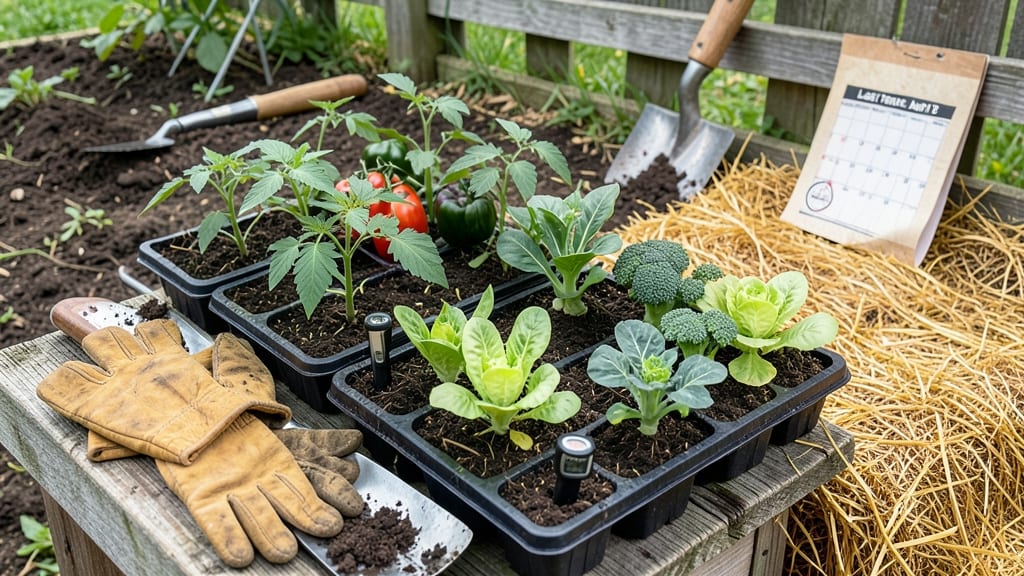
Timing when to plant a vegetable garden in New Jersey can make the difference between a bountiful harvest and wasted effort. The wrong planting window means risking frost damage or pest infestations, while the right approach—backed by Rutgers University’s research—sets you up for success from early spring to late fall.
With NJ’s unique climate zones (6a-7b), knowing exactly when to plant cool-season crops like spinach or warm-season favorites like tomatoes is crucial. Whether you’re a first-time gardener or a seasoned green thumb, these science-backed planting windows will help you maximize your 🥬 garden’s potential.
We’ll break down the ideal planting schedule, including how to adjust for microclimates and urban vs. rural challenges. By following these Rutgers-approved timelines, you’ll avoid common mistakes and enjoy fresh produce all season long.
Ready to transform your garden into a thriving food source? Let’s dive into the exact dates and strategies that work best for NJ gardeners.
NJ planting zones & Rutgers-approved vegetable timelines by season
New Jersey spans USDA zones 5a-7b, meaning your planting schedule depends heavily on your exact location. Rutgers University’s New Jersey Agricultural Experiment Station tracks frost dates and recommends two main planting windows: cool-season crops in early spring and warm-season crops after the last frost.
For most of NJ, the average last frost date falls between April 15 and May 1, with northern counties like Sussex often waiting until May 10.
Cool-season vegetables like spinach, broccoli, and peas thrive when planted 4-6 weeks before the last frost. In NJ, this means starting seeds indoors in late February to early March for a March-April outdoor transplant.
Warm-season crops—think tomatoes, peppers, and cucumbers—need to wait until soil temperatures hit 60°F+, typically mid-May to early June in most regions.
Rutgers’ data shows that northern NJ (zones 5a-6a) has a shorter growing season, while southern NJ (zones 6b-7b) enjoys 15-20 extra frost-free days. This means gardeners in Cape May or Atlantic City can plant warm-season crops 2-3 weeks earlier than those in Bergen or Passaic counties.
Here’s a quick reference for key planting windows based on NJ’s zones, backed by Rutgers’ research:
| Season | Cool-Season Crops | Warm-Season Crops | Planting Window (NJ Zones 5a-7b) |
|---|---|---|---|
| Early Spring | Spinach, Lettuce, Peas, Broccoli | N/A | Indoors: Late Feb - Early Mar Outdoors: Mid-Mar - Early Apr |
| Late Spring | Radishes, Kale, Swiss Chard | Tomatoes, Peppers, Eggplant | Outdoors: Mid-Apr - Early May Soil temp: 60°F+ |
| Summer | N/A | Cucumbers, Beans, Corn, Basil | Outdoors: May 15 - June 15 Northern NJ: June 1 - June 15 |
| Fall | Carrots, Beets, Lettuce, Spinach | N/A | Outdoors: Late July - Early Aug For harvest before first frost |
For cool-season crops, aim to harvest before the first hard frost, which in NJ typically hits October 15-30. Rutgers recommends succession planting every 2-3 weeks for continuous harvests. For example, plant lettuce every 10 days in spring to avoid bolting (going to seed) in the heat.
Warm-season crops like tomatoes and peppers need 70-90 days of warm weather to mature. In northern NJ (zones 5a-6a), start seeds indoors in March and transplant after the last frost. In southern NJ (zones 6b-7b), you can direct-sow outdoors as early as April 20.
Pro tip: Use Rutgers’ NJ Weather Network for real-time frost alerts. Their Frost Freeze Forecast updates weekly and can save your eggplants or basil from unexpected chills.
For example, in 2022, a late frost in June wiped out early plantings in Morris County—but gardeners who waited until June 10 avoided losses.
Remember, soil temperature matters more than air temperature. Use a soil thermometer to confirm 60°F+ for warm-season crops. If your soil is still cold in May, wait 1-2 weeks—rushing leads to poor germination or stunted growth.
For urban gardeners, microclimates near buildings or pavement can warm up 5-10°F faster than rural areas. This means you might plant tomatoes 1 week earlier in a south-facing city garden than in a shaded backyard.
🌱
How to adjust planting dates for NJ’s microclimates & frost risks
New Jersey’s diverse landscapes—from coastal beaches to inland valleys—create microclimates that shift planting dates by 2-4 weeks. For example, Bergen County (Zone 6b) may have frost until May 15, while Cape May (Zone 7a) often sees frost-free soil by April 1.
Always check Rutgers’ NJ Weather Network for real-time updates before planting.
Urban gardeners face extra challenges like heat islands (cities stay warmer at night) and limited sunlight. If your garden is surrounded by buildings, plant heat-tolerant varieties like Okra or Sweet Potatoes and extend your season by 2 weeks compared to rural areas.
🌱
Begin warm-season crops like tomatoes and peppers indoors 6-8 weeks before last frost (early March for most of NJ). Use grow lights if natural light is limited.
Extend spring planting by 3-4 weeks with frost blankets. Ideal for leafy greens and root veggies like carrots. Remove covers when temps reach 70°F.
Plant warm-season crops outdoors 2 weeks after last frost (typically May 10-20 in most of NJ). Test soil temp—it should be at least 60°F for germination.
Coastal NJ (e.g., Atlantic City) has cooler summers and warmer winters. Plant cold-hardy crops like kale in early September for fall harvests.
Sow fast-maturing crops like radishes or bush beans every 2 weeks from April to July to ensure continuous harvests. Rutgers recommends 3-4 plantings per season.
If you’re unsure about your last frost date, use Rutgers’ Frost Freeze Forecast tool or plant frost-tolerant crops like peas or spinach as early as late February in protected beds. For warm-season crops, wait until soil temps hit 65°F—use a soil thermometer to avoid failed germination.
Pro tip: Northern NJ gardeners should prioritize early-maturing varieties (e.g., ‘Early Girl’ tomatoes), while Southern NJ can afford longer-season plants like ‘Brandywine’ tomatoes. Always match your planting dates to your USDA Zone and local microclimate.
🌡️