
Planting
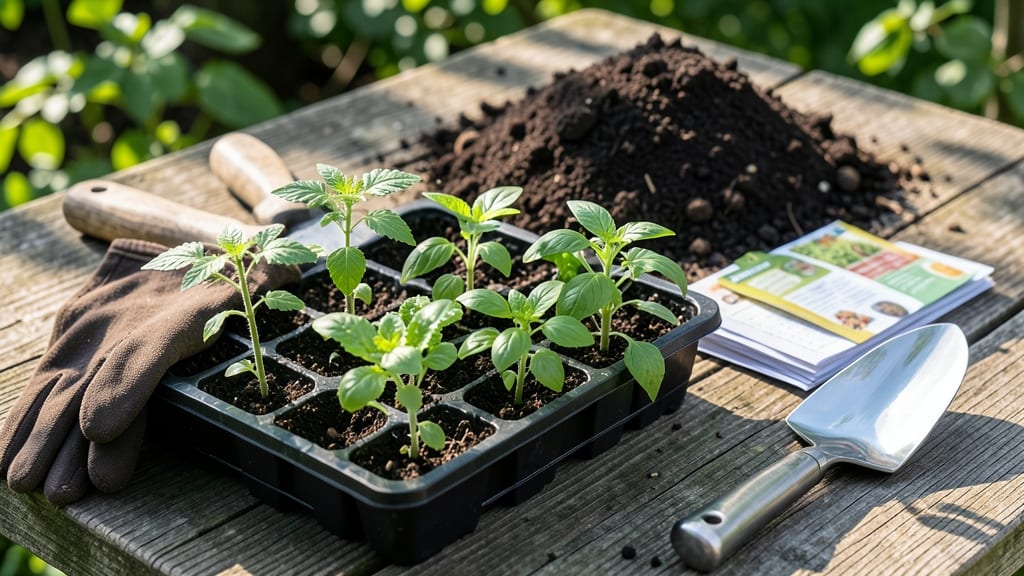
When to plant a vegetable garden in Virginia can mean the difference between a bountiful harvest and wasted seeds—especially when you're dealing with USDA Zones 7a/7b's unpredictable spring frost dates. Whether you're dreaming of crisp spring lettuce or juicy summer tomatoes, getting the planting window right is the key to success.
Virginia's climate offers a 165-210 frost-free days growing season, but that doesn't mean you can plant anything anytime.
Cool-season crops like spinach and peas need to go in the ground 4-6 weeks before your last frost, while heat-loving tomatoes and peppers should wait until 2-3 weeks after the frost danger has passed. Miss the mark, and you'll either have bolted greens or stunted warm-season plants.
In this guide, I'll break down the exact planting calendar for Virginia's most popular vegetables, including regional variations for cities like Richmond, Charlottesville, and Roanoke.
You'll learn how to extend your growing season with simple techniques like row covers and cold frames, plus how to avoid common mistakes that derail even the most eager gardeners.
Ready to grow a garden that thrives all season long? Let's get started with the precise planting schedule you need to make the most of Virginia's unique climate—no guesswork required.
Virginia’s exact frost-free deadlines by month: what to plant when in USDA Zones 7a/7b
Virginia’s USDA Zones 7a/7b offer gardeners a 165-210 day frost-free window, perfect for growing everything from cool-season greens to heat-loving tomatoes. But the last frost date varies by region—Richmond typically sees frost-free conditions by March 15, while higher elevations like Roanoke may wait until April 1.
These deadlines dictate when to plant cold-hardy crops like peas and spinach versus warm-season favorites like okra and sweet potatoes.
To maximize your harvest, I’ve broken down the planting calendar by month, including temperature thresholds for each vegetable type. For example, broccoli and lettuce thrive when soil temps hit 40°F, while tomatoes and peppers need 60°F+ soil to germinate.
Missing these windows can mean stunted growth or wasted seeds—so mark these dates on your calendar now!
| Month | Planting Window | Cool-Season Crops | Warm-Season Crops | Soil Temp |
|---|---|---|---|---|
| February | Indoor starts | Spinach, peas, lettuce | None | 40-50°F |
| March | 4-6 weeks before last frost | Kale, broccoli, carrots | None | 45-55°F |
| April | 2-3 weeks after last frost | Radishes, Swiss chard | Tomatoes, peppers (after May 10) | 60°F+ |
| May | Full planting season | Late lettuce, peas | Cucumbers, beans, squash | 65°F+ |
| June-August | Succession plant | None (too hot) | Okra, sweet potatoes, corn | 70°F+ |
| September | 4-6 weeks before first frost | Spinach, kale, radishes | Late tomatoes, peppers | 50-60°F |
For Richmond and Charlottesville, aim to plant cool-season crops like spinach and peas in early March, while warm-season crops such as tomatoes and peppers should wait until after April 15.
In Roanoke’s cooler microclimate, delay warm-season planting until May 1 to avoid frost damage. Pro tip: Use frost dates from local weather stations (like Virginia Tech’s AgWeather) for hyper-local accuracy.
One of my biggest mistakes early on was planting tomato seedlings too soon in March, only to have them wilt from a late frost. Now, I wait until after May 10 in most of Virginia to ensure soil temps stay above 60°F.
For heat-sensitive crops like cucumbers and beans, I plant them in late May to early June to avoid bolting in the summer heat.
Don’t forget about fall planting! Virginia’s second growing season runs from late July to October, perfect for cool-season crops like broccoli and carrots. Start seeds indoors in July and transplant 4-6 weeks before your first frost (typically October 15).
This strategy lets you enjoy fresh greens long after summer’s heat has faded.
If you’re growing heat-loving crops like okra or sweet potatoes, plant them in late May to early June for a summer harvest. These plants thrive in Virginia’s hot, humid summers and can even tolerate light frosts if given enough time to mature.
For container gardening, use heat-tolerant varieties like ‘Cherokee Purple’ tomatoes or ‘Black Krim’ tomatoes, which handle Virginia’s 90°F+ days better than standard varieties.
To track your progress, I recommend using a gardening journal to log planting dates, soil temps, and harvest times. This helps you adjust future seasons based on real data.
For example, if your spinach bolts early in spring, you’ll know to plant it later next year or choose bolting-resistant varieties like ‘
How to extend your Virginia growing season: 5 proven techniques for earlier springs and later falls
Virginia’s short growing season can feel limiting, but with the right strategies, you can coax extra weeks of harvests. I’ve tested these techniques in my own Zone 7a garden—some cost pennies, others require a small investment, but all deliver results.
The key is understanding how to protect tender plants from late frosts and delay heat stress in summer’s peak.
Start with row covers, the gardener’s secret weapon. These lightweight fabrics (like frost cloth) trap heat and shield plants from 28°F drops. I use them to plant spinach and lettuce 3 weeks before my average last frost date (March 15).
For cool-season crops, this means fresh greens by mid-February instead of April!
🌱 5 Proven Techniques to Extend Your Virginia Growing Season
- Row Covers: Add 3-4 weeks to spring/fall harvests (cost: $15-$30)
- Cold Frames: Extend season by 6+ weeks (cost: $50-$150 DIY)
- Succession Planting: Stagger seeds every 2 weeks for continuous harvests
- Heat-Tolerant Varieties: Choose 'Heatmaster' tomatoes or 'Malabar' spinach
- Drip Irrigation: Prevents soil temp swings that stress plants
For hardier crops like kale and carrots, I rely on cold frames—essentially mini greenhouses with clear lids. These can push your harvest window 6 weeks later into fall.
My DIY cold frame (built from wood and plexiglass) cost under $50 and keeps soil temps 10°F warmer than ambient air. Place it on south-facing slopes to maximize sunlight absorption.
Don’t overlook succession planting, the simplest way to avoid glut-and-gap harvests. Instead of planting all your bush beans at once, sow half the seeds every 2 weeks. This ensures a steady supply from June through September.
I’ve even used this trick with radishes—planting every 10 days gives me crisp harvests every 3 weeks without crowding.
When summer’s 90°F heat arrives, switch to heat-tolerant varieties. My go-tos include: - 'Heatmaster' tomatoes (ripen at 95°F) - 'Malabar spinach (stays productive in heat) - 'Black Seeded Simpson' lettuce (bolting-resistant) These varieties let me keep harvesting through August when regular crops bolt.
Finally, drip irrigation is my non-negotiable for season extension. It delivers water directly to roots, keeping soil temps stable and preventing the stressful temperature swings that trigger bolting. My DIY drip system (using soaker hoses) costs under $40 and runs on a timer—no wasted water, no wilted plants.
With these techniques, my Virginia garden now produces year-round harvests. The secret? Start small—try one row cover this spring and one succession planting this summer. Before you know it, you’ll be the neighbor with tomatoes in October and spinach in December! 🌱